
Roaming with Dragons: A Day Trip to Komodo National Park
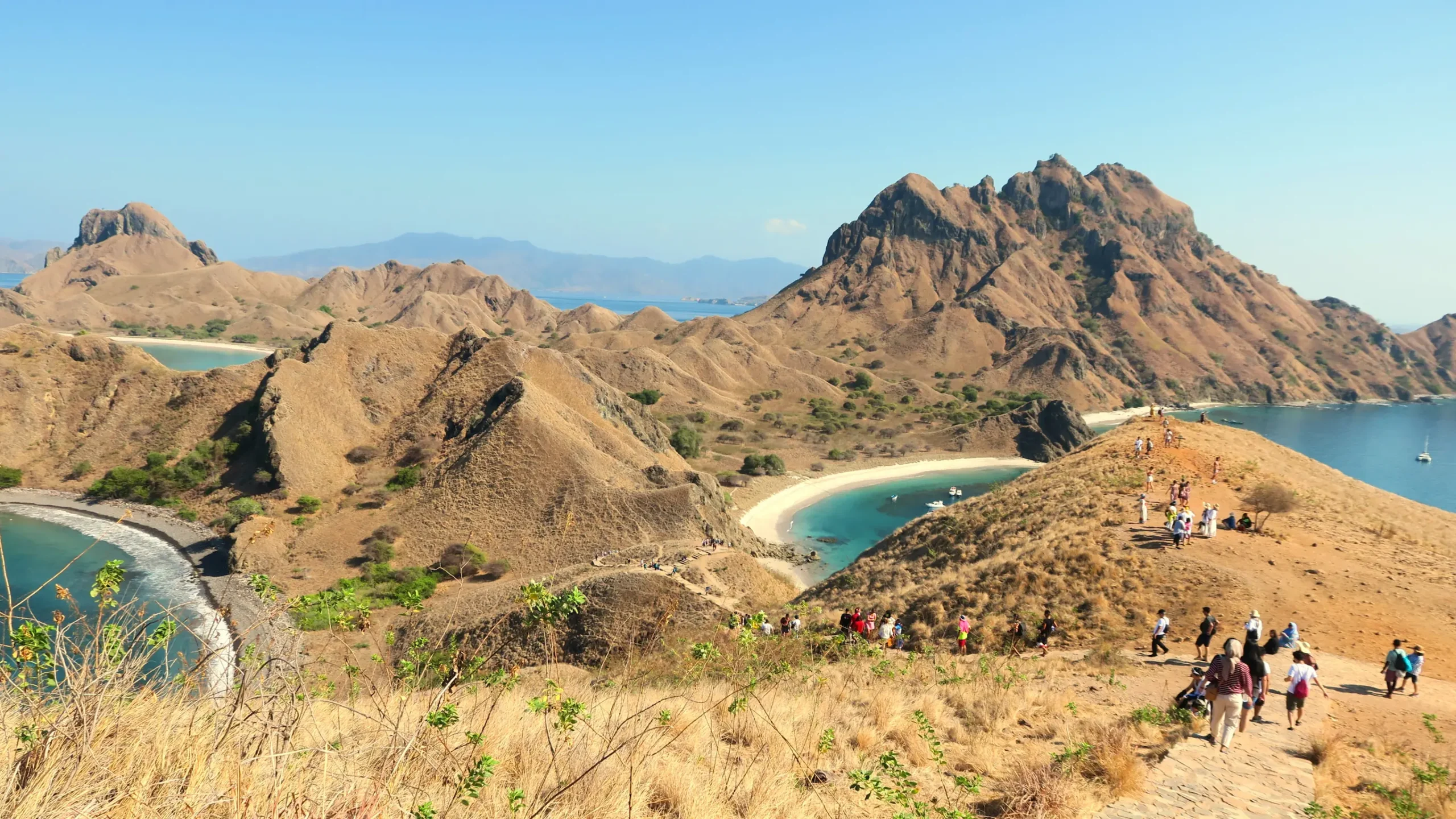
Imagine a land where dragons still roam. Welcome to Komodo National Park, a UNESCO World Heritage Site nestled amidst the turquoise waters of the Indonesian archipelago.
This extraordinary park, scattered across volcanic islands, is home to pristine beaches, crystal-clear turquoise waters, colourful coral reefs, dramatic landscapes, manta rays, and, of course, its most iconic residents, the legendary Komodo dragons, the largest living lizards on Earth and a species found nowhere else.
When we planned our trip to Indonesia, we knew a visit to Komodo Island had to be on the list.
When to Visit Komodo National Park
Komodo National Park has two main seasons: the dry season and the rainy season. Knowing this can help you plan your trip.
- Dry season (April to November): Mostly sunny days with little rain. The landscapes, like the hills of Padar, turn brown with dry vegetation. Trails are dry and ideal for hiking, though it can get hot, so bring water and sun protection. The sea is calm and clear, making it perfect for snorkelling. This is the high season, especially in July and August, so expect more tourists and higher prices.
- Rainy season (December to March): The islands turn lush and green. Hiking is cooler, but trails can be muddy and slippery. Rain showers are usually short but intense. Underwater visibility may be lower, but this is the time (especially December to February) when you’re most likely to see manta rays at Manta Point, as plankton-rich currents attract them. This is the low season, with fewer visitors and often lower prices.
Starting Point: Labuan Bajo
The gateway to Komodo National Park is the small fishing town of Labuan Bajo, on the island of Flores. From here, most boat tours set off towards the park’s islands.
Travellers can choose between single-day excursions or multi-day cruises. Since our time was limited, we opted for a one-day trip, a packed itinerary that gave us a taste of the park’s most iconic highlights. If you have more days to spare, however, a liveaboard cruise is the perfect way to explore the islands at a slower pace and immerse yourself fully in this unique setting.
Our One-Day Trip Itinerary
We started early in the morning. The tour picked us up from our hotel in Labuan Bajo, and we headed down to the harbour, where our boat was waiting. With the first light of the sun rising over the bay, we set sail towards Komodo National Park.
Padar Island: Hiking to Iconic Views
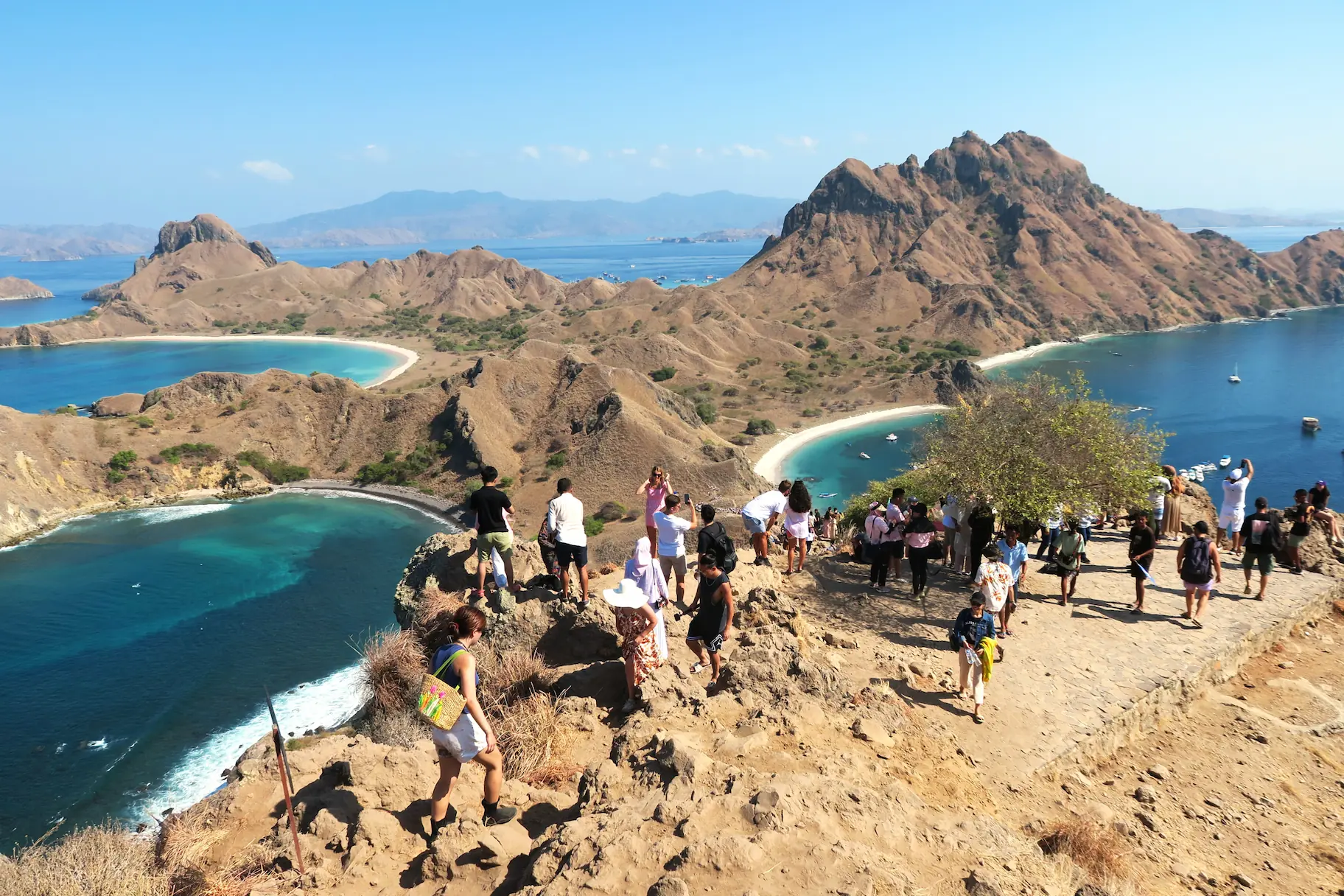
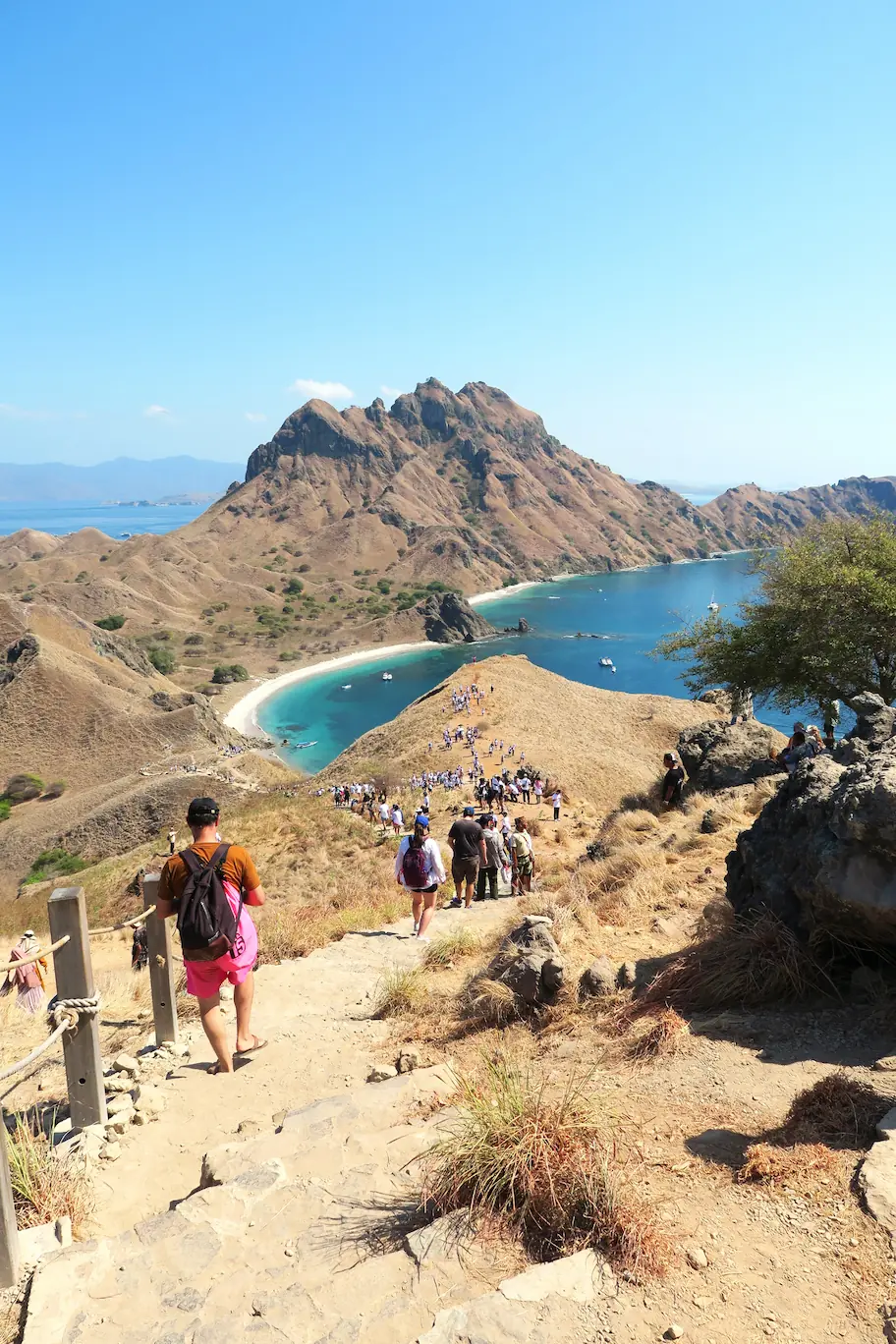
Our first stop was Padar Island, famous for its spectacular views. The island no longer has a population of Komodo dragons; they are believed to have disappeared long ago, likely due to a lack of fresh water and sufficient prey.
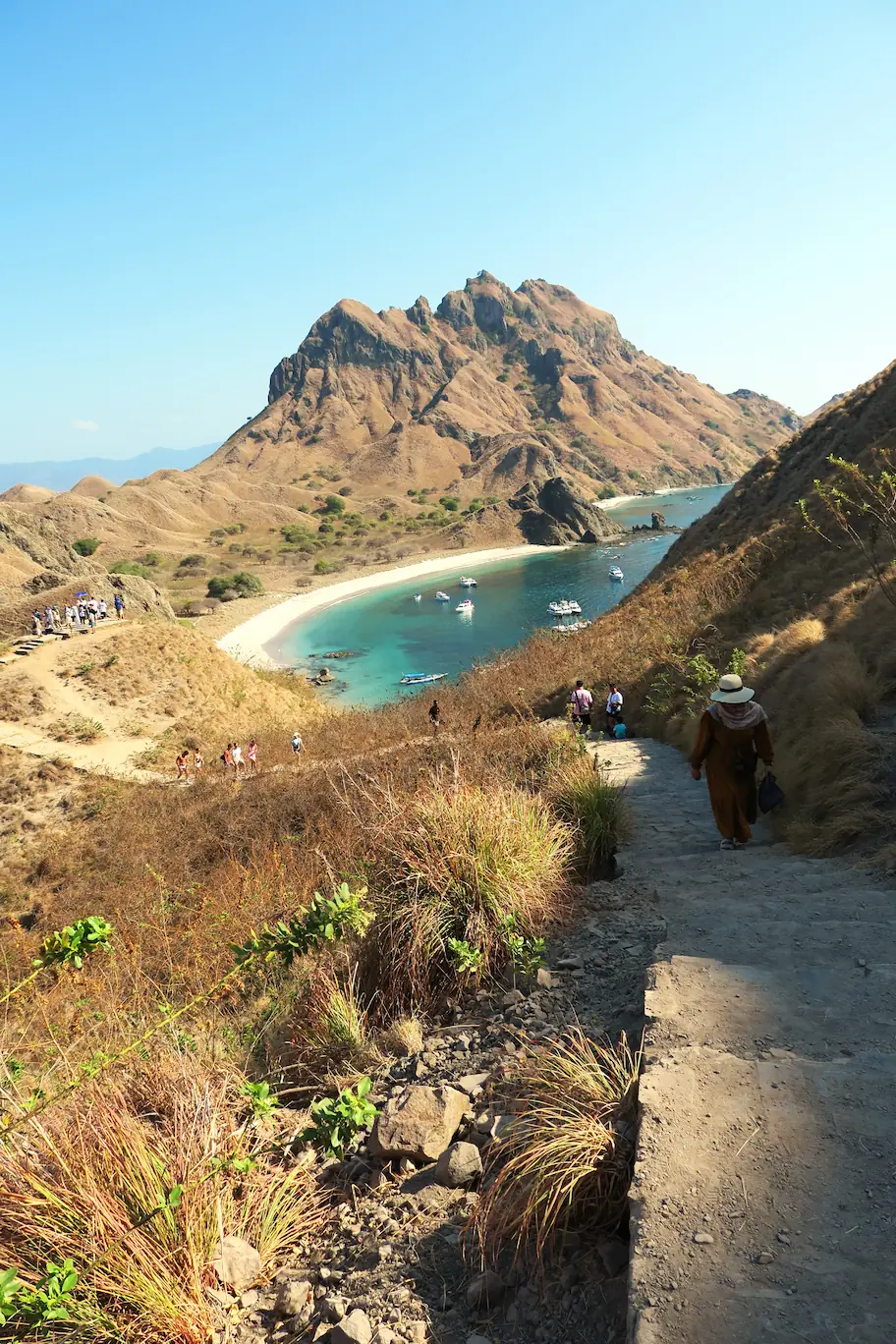
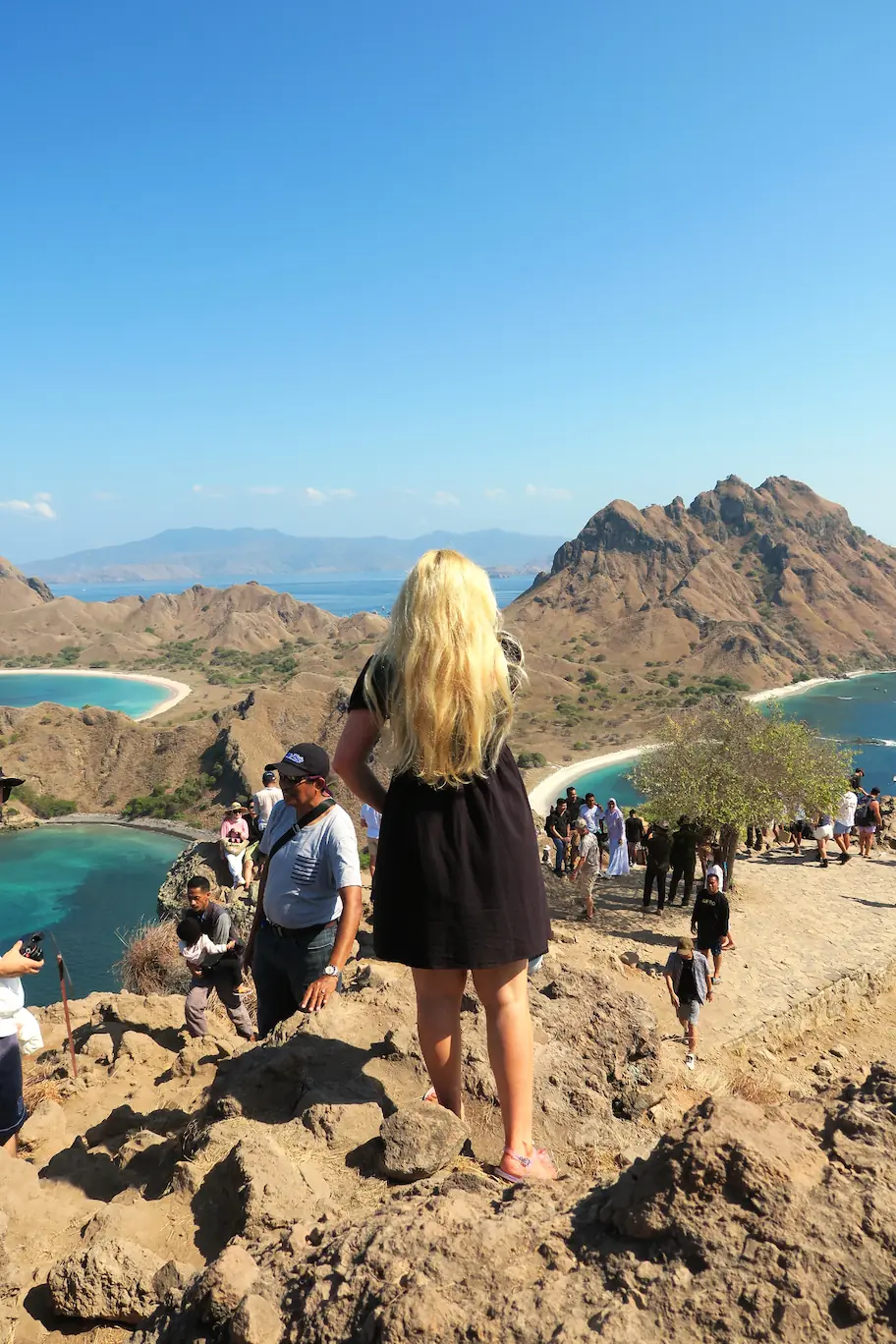
The main activity here is a steep but rewarding hike to the island’s famous viewpoint. We started early in the morning, making our way up the trail. The climb was absolutely worth it. From the top, we were greeted with a breathtaking panoramic view of three crescent-shaped bays, a scene that has become an iconic postcard image of the park.
Pink Beach: Nature’s Rare Gem
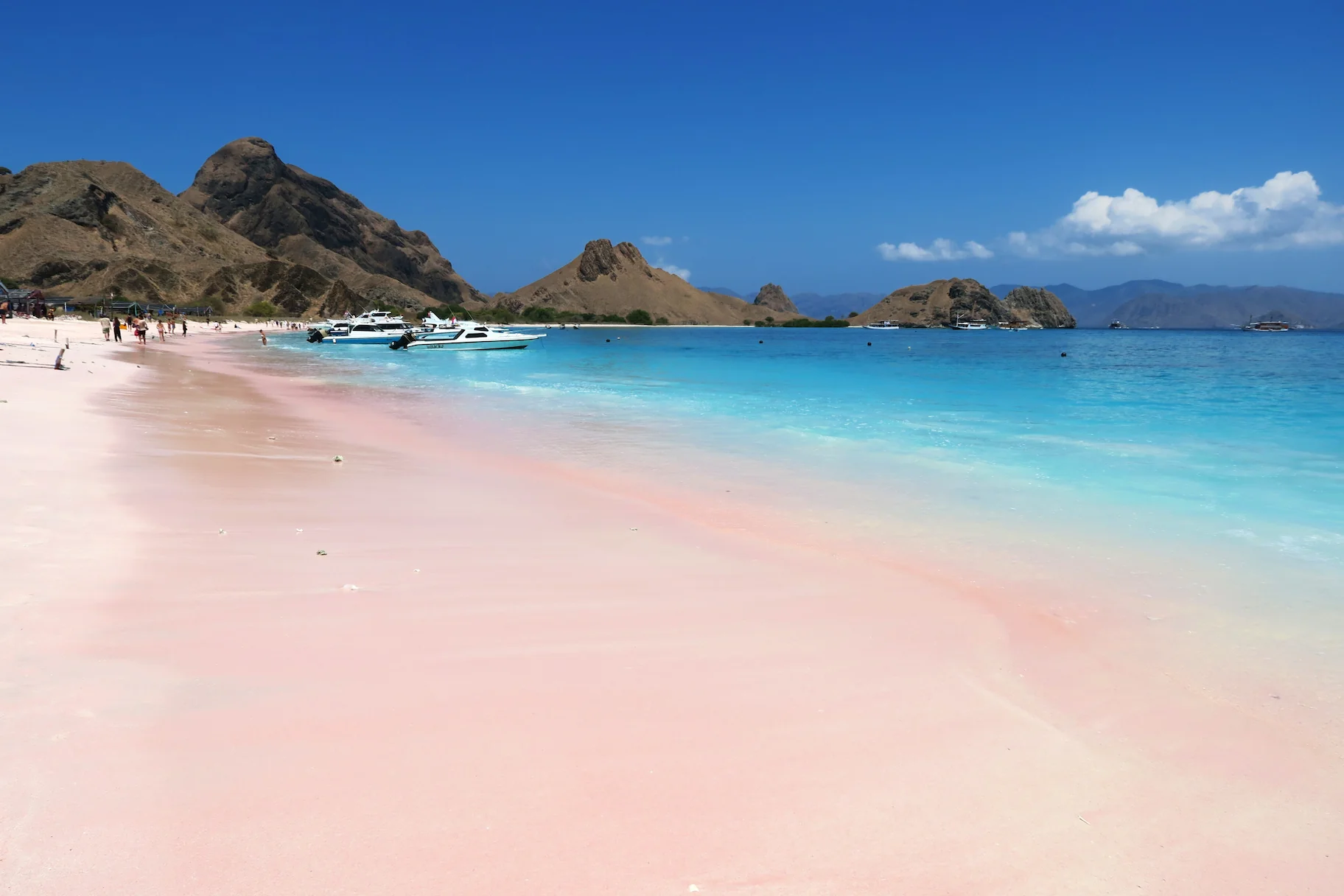
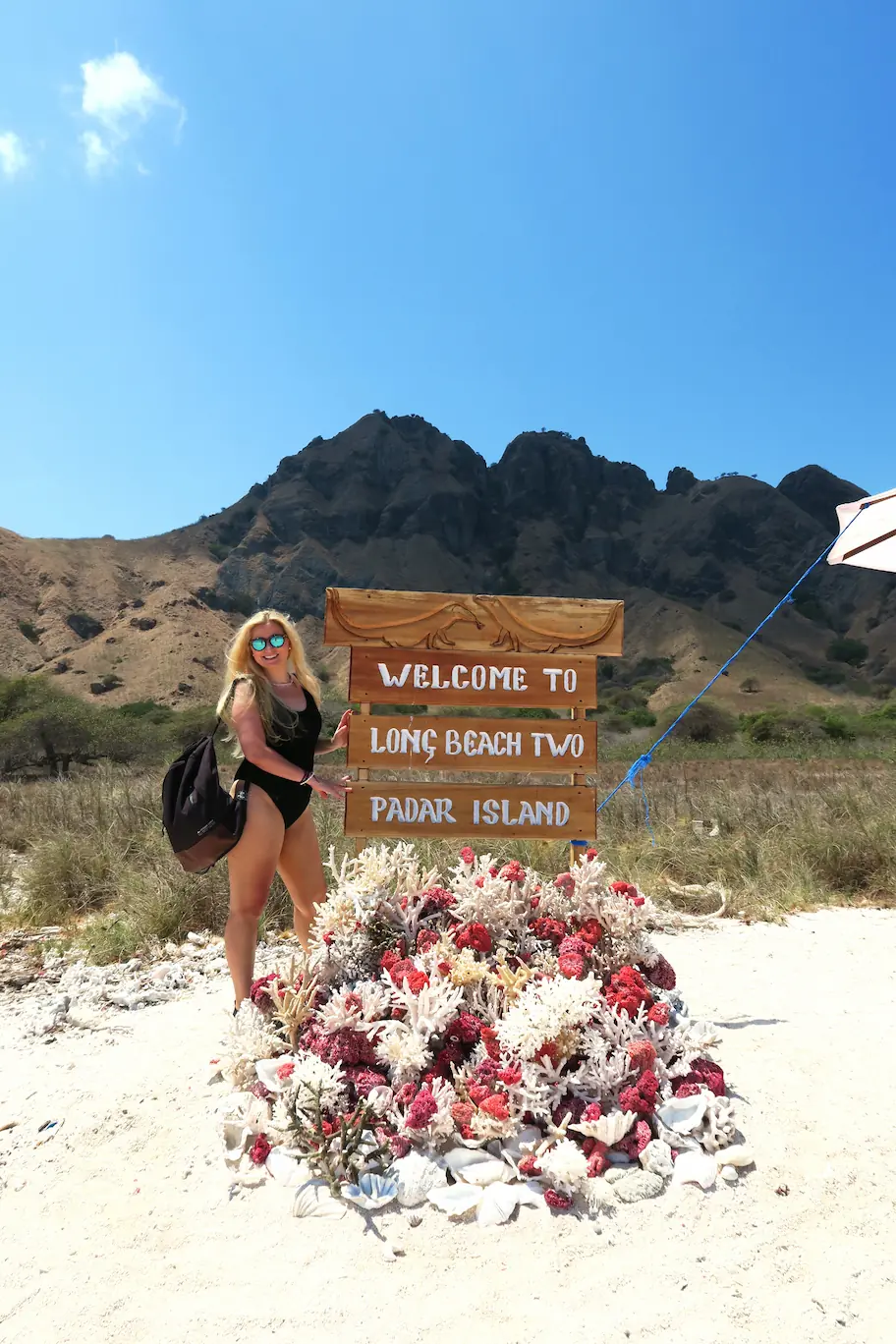
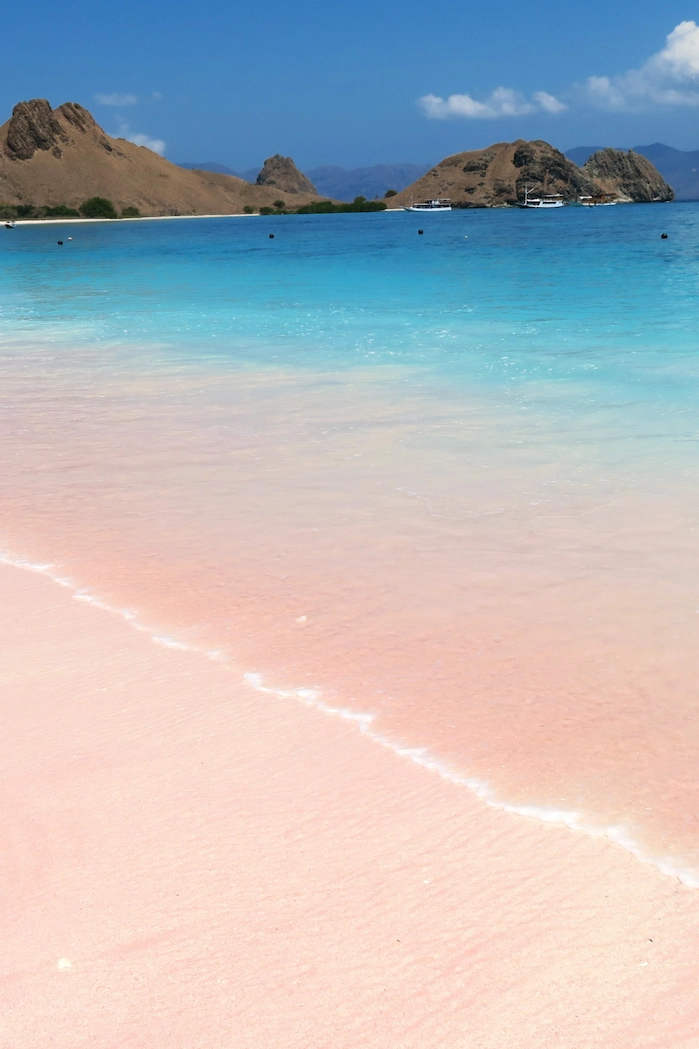
After the hike, we headed down to the boat again and made our way to Padar’s Pink Beach.
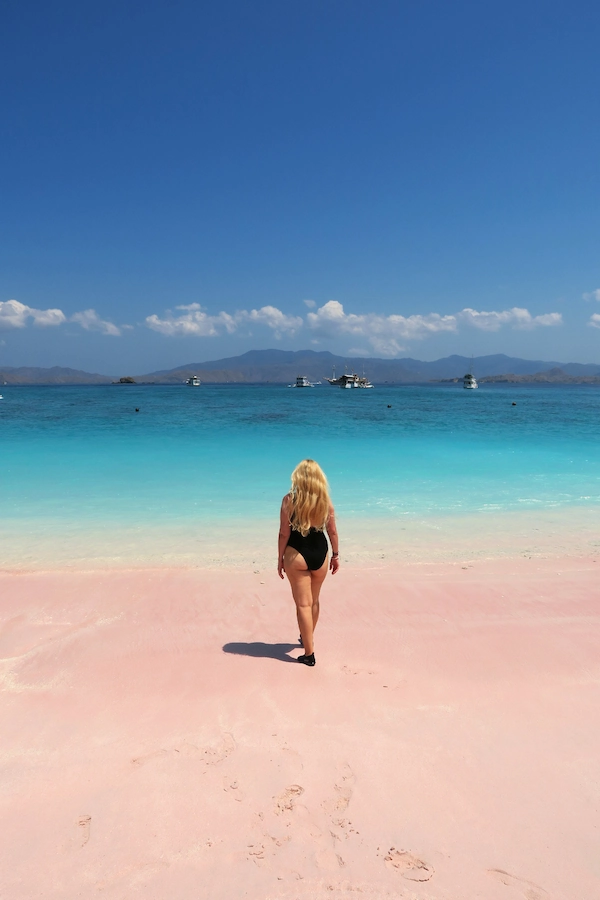
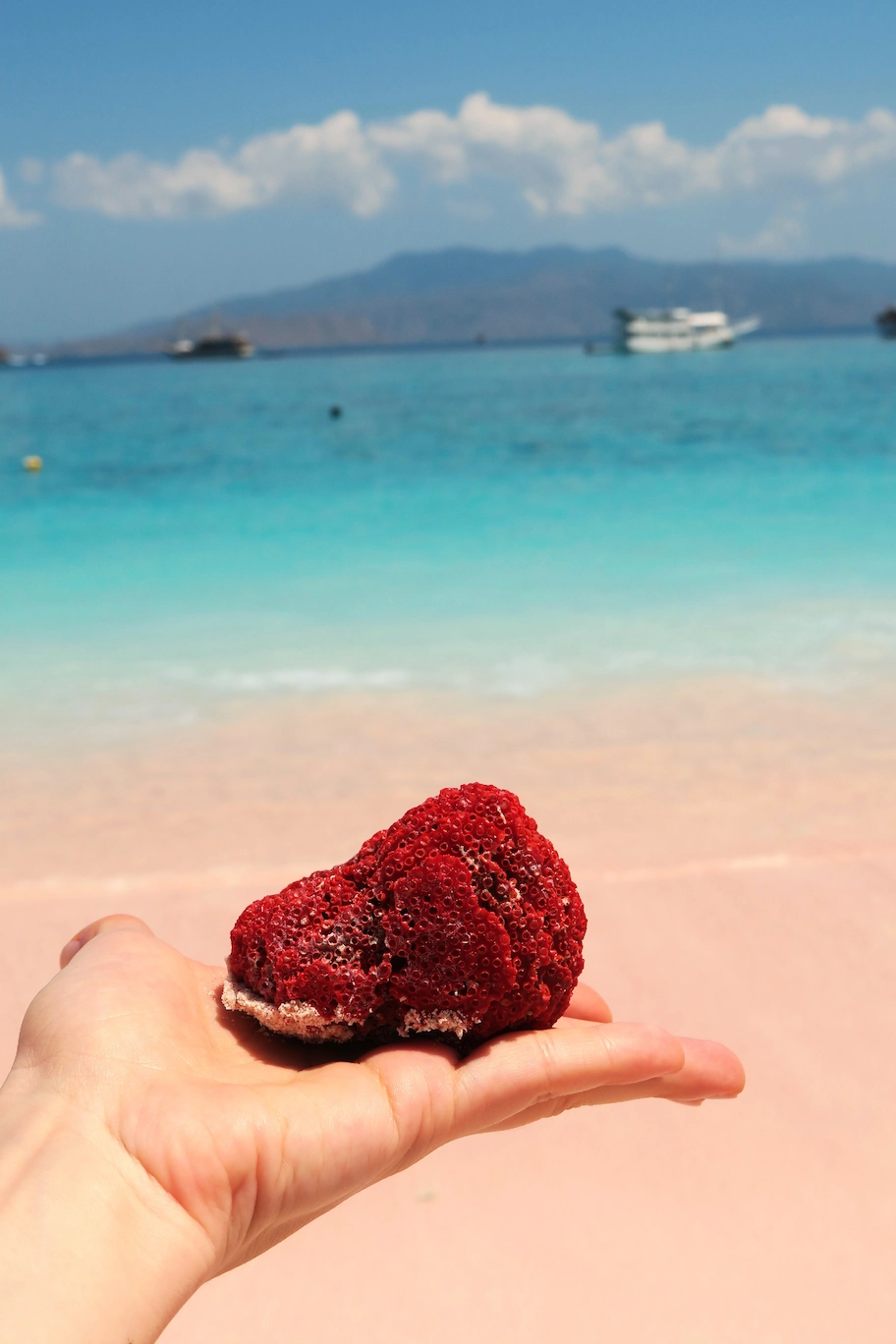
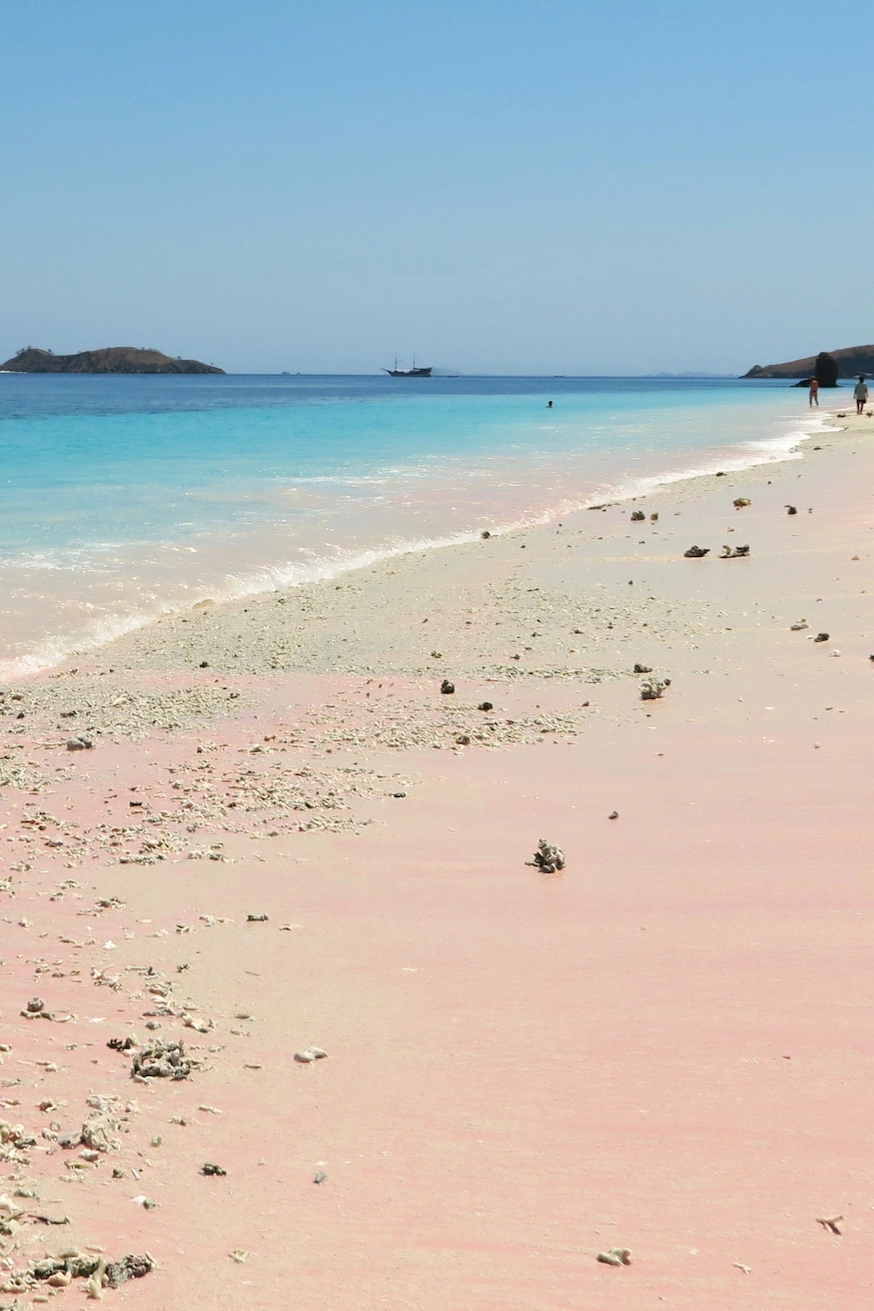
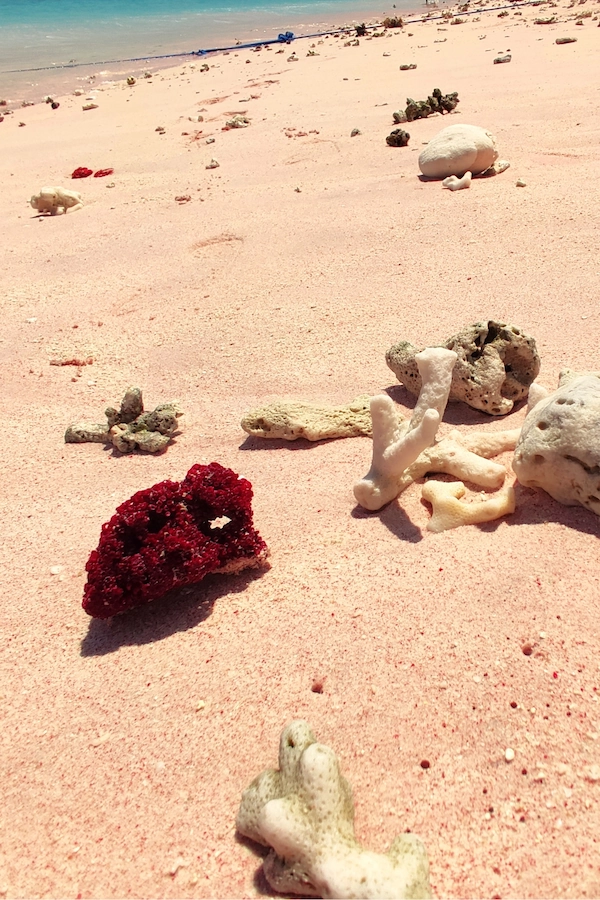
Padar doesn’t just have the famous viewpoint, it also has one of the rare pink beaches in the world! The sand has a subtle blush hue, created by the mix of white sand and tiny fragments of red coral. It’s one of those rare natural wonders you can’t quite believe until you see it.
Loh Liang: Face-to-Face with Dragons
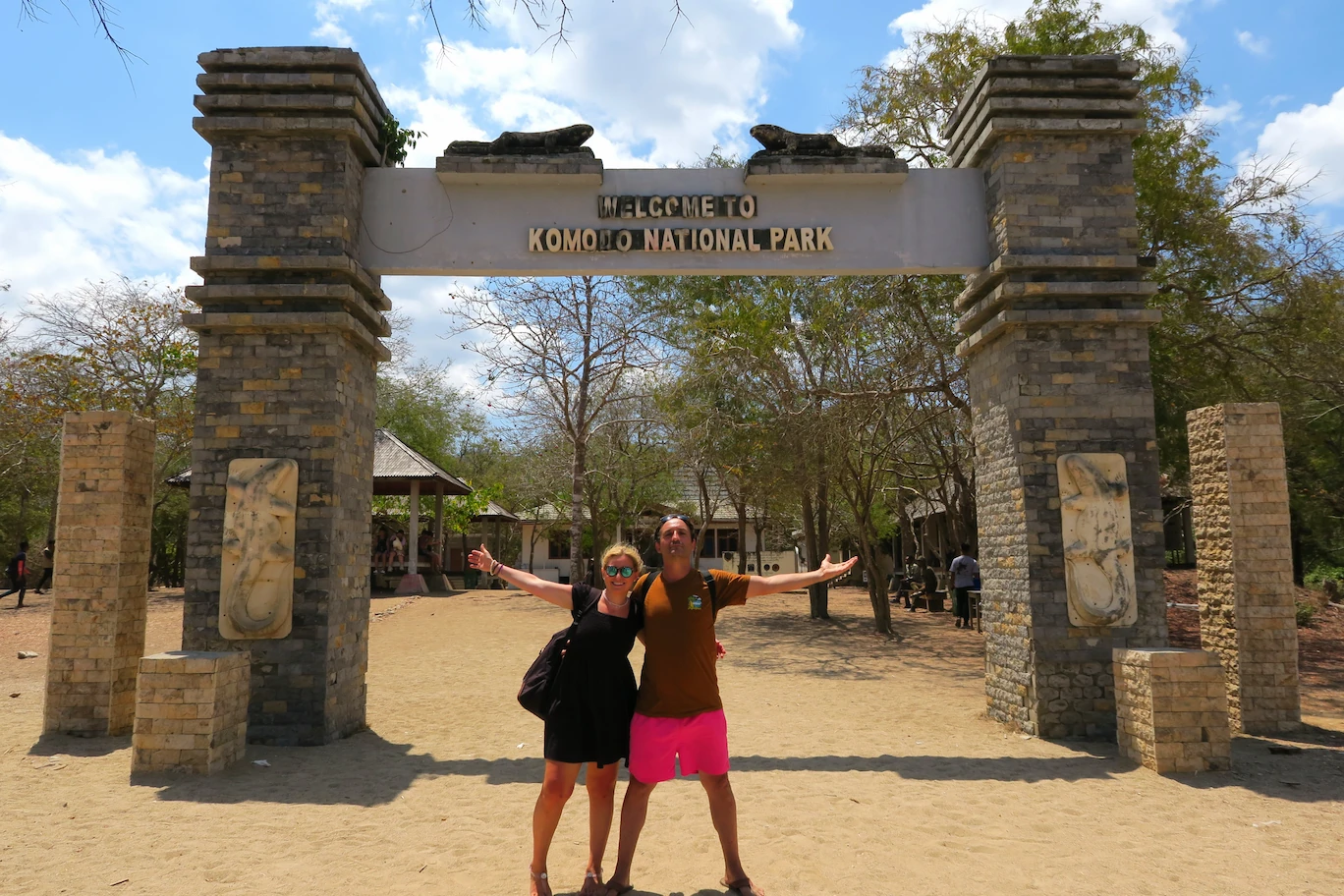
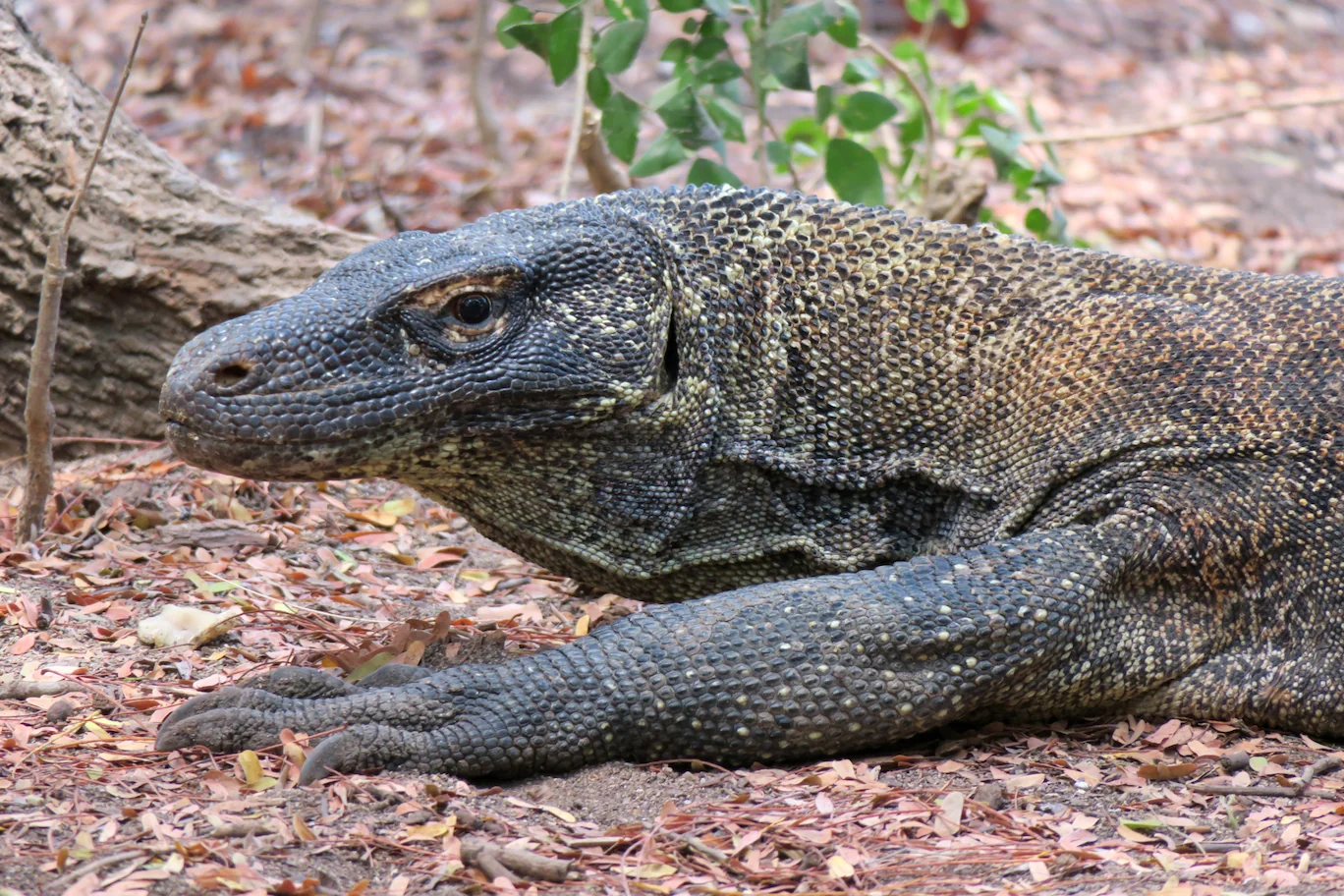
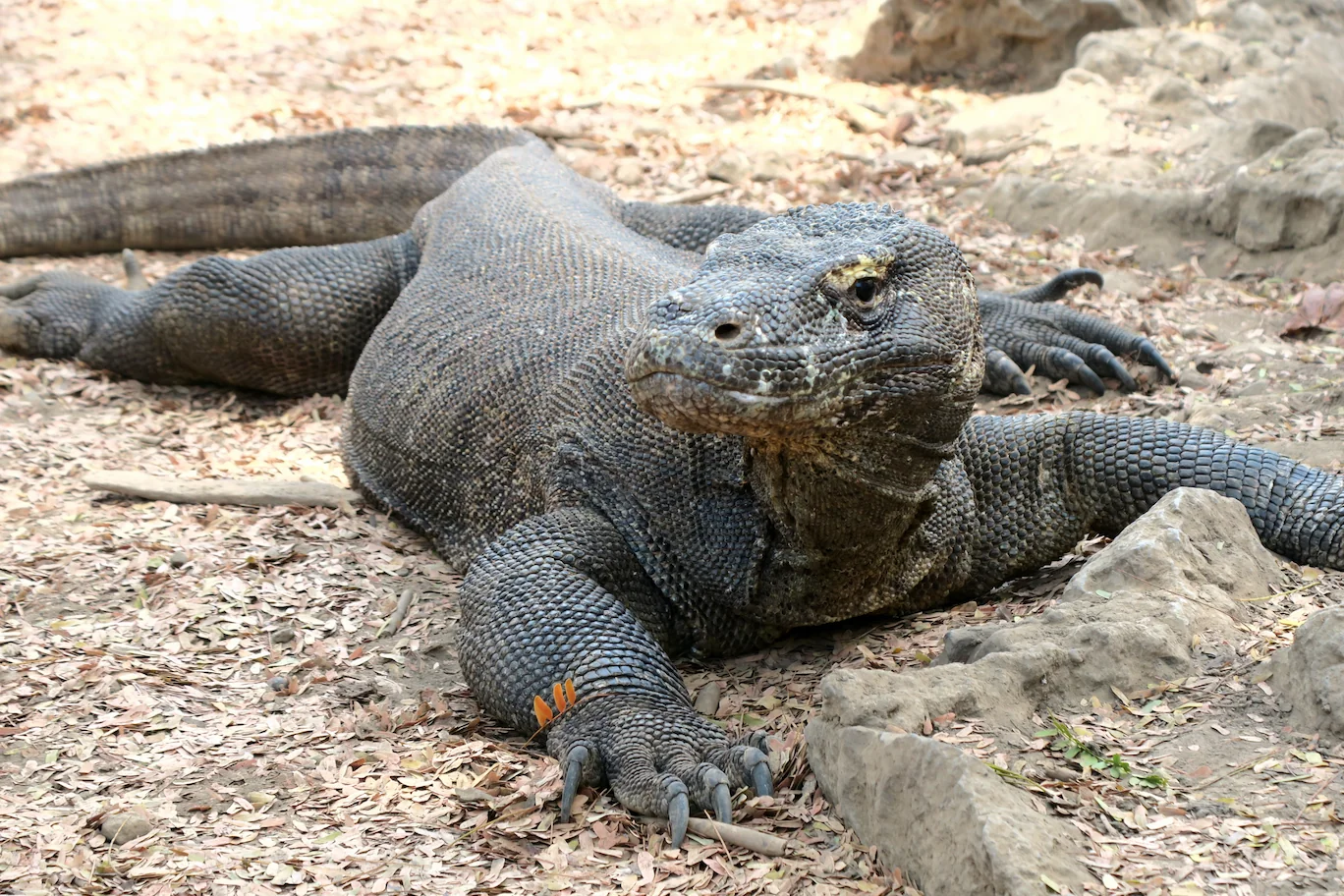
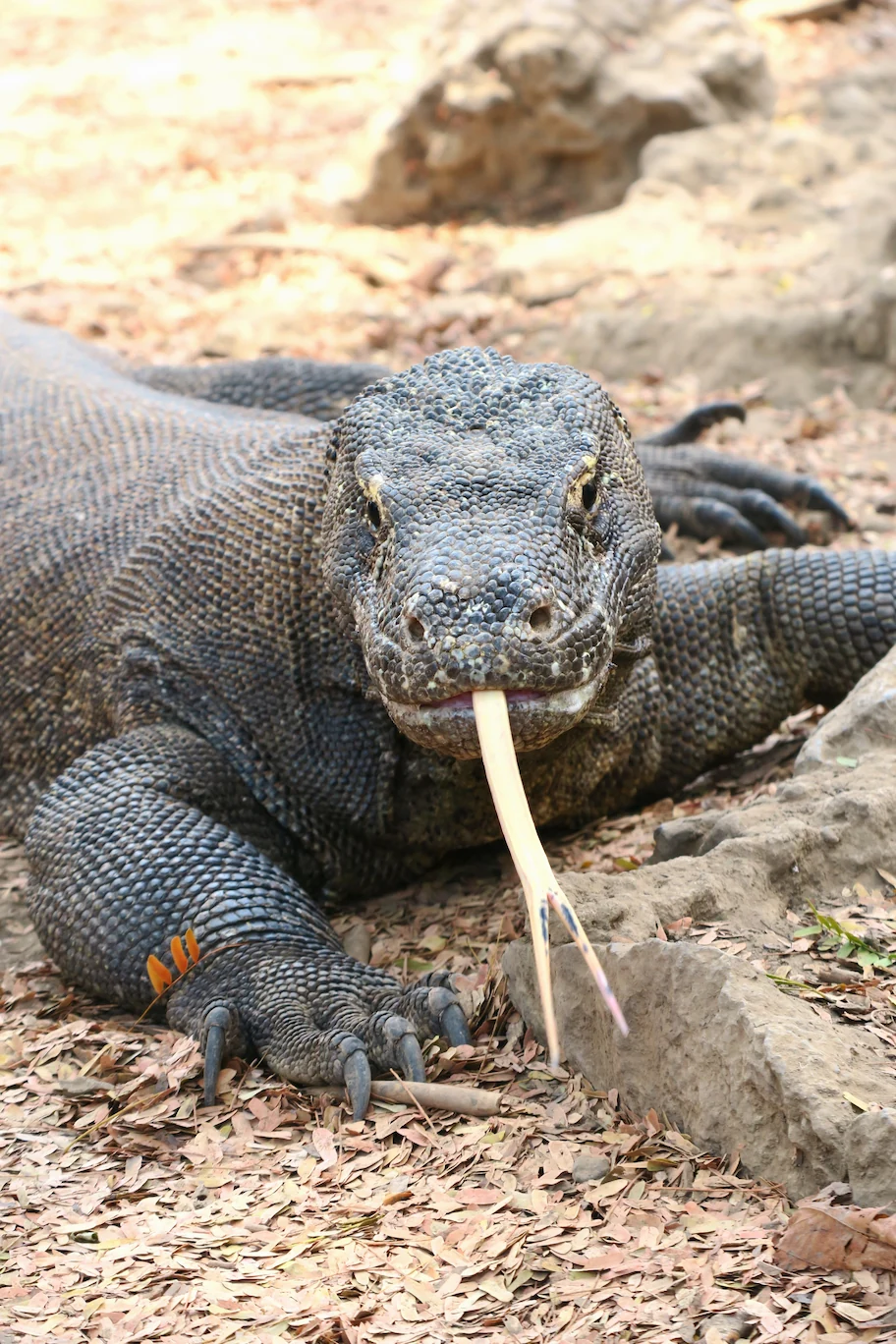
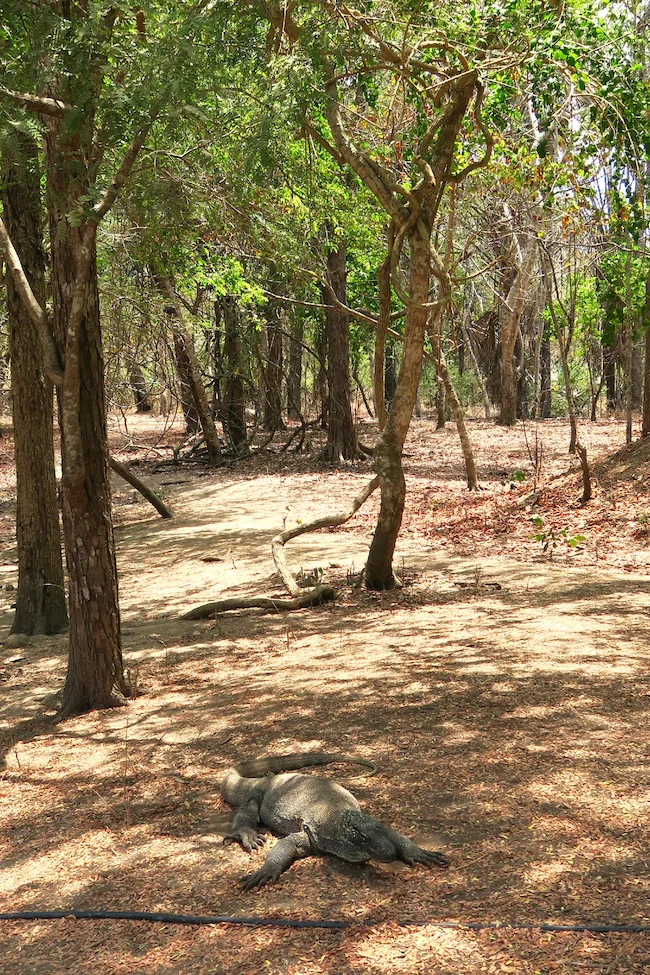
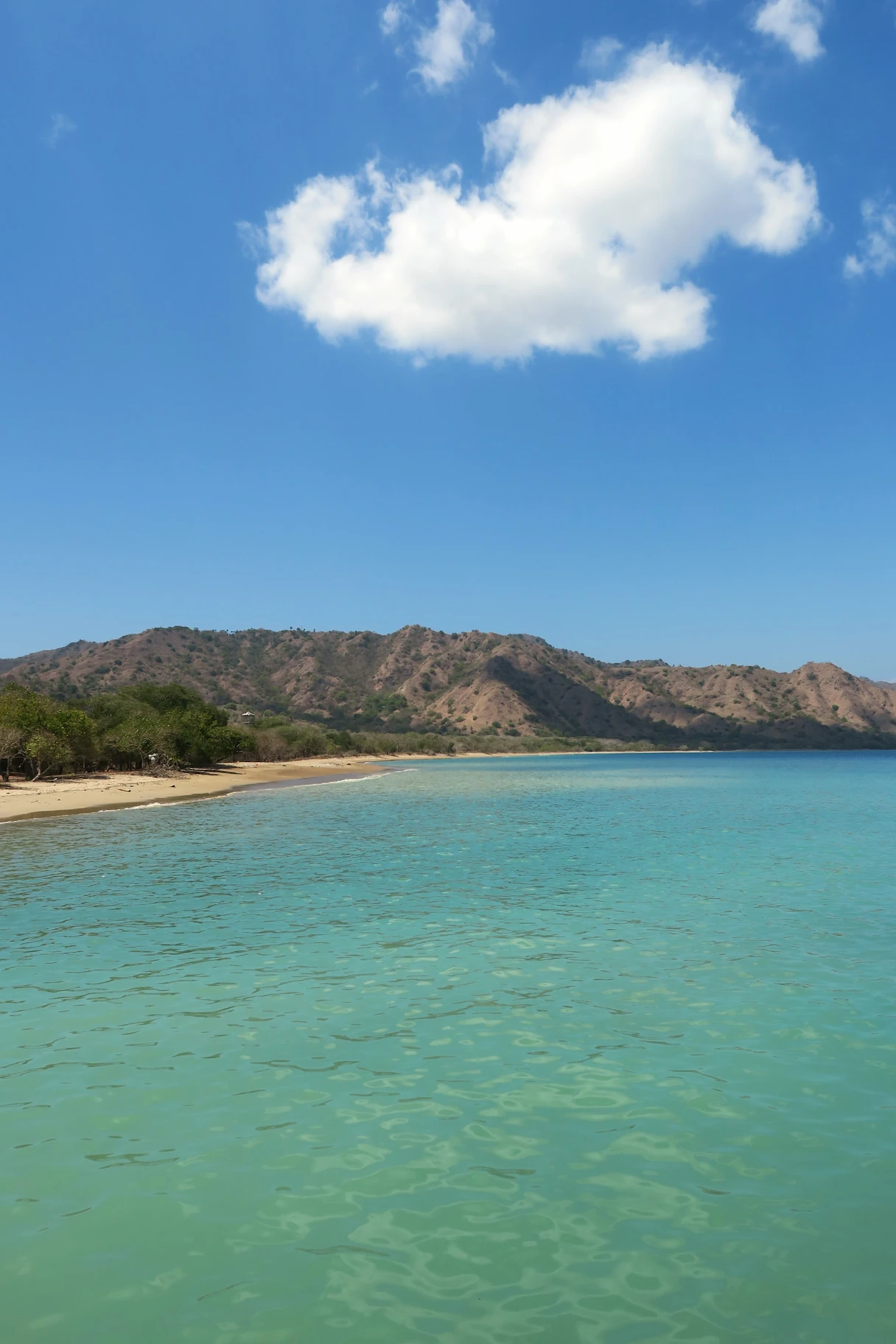
Our next stop was Loh Liang, the main entrance for visitors to Komodo Island. This area is a key point within Komodo National Park, famous as the natural habitat of the Komodo dragons.
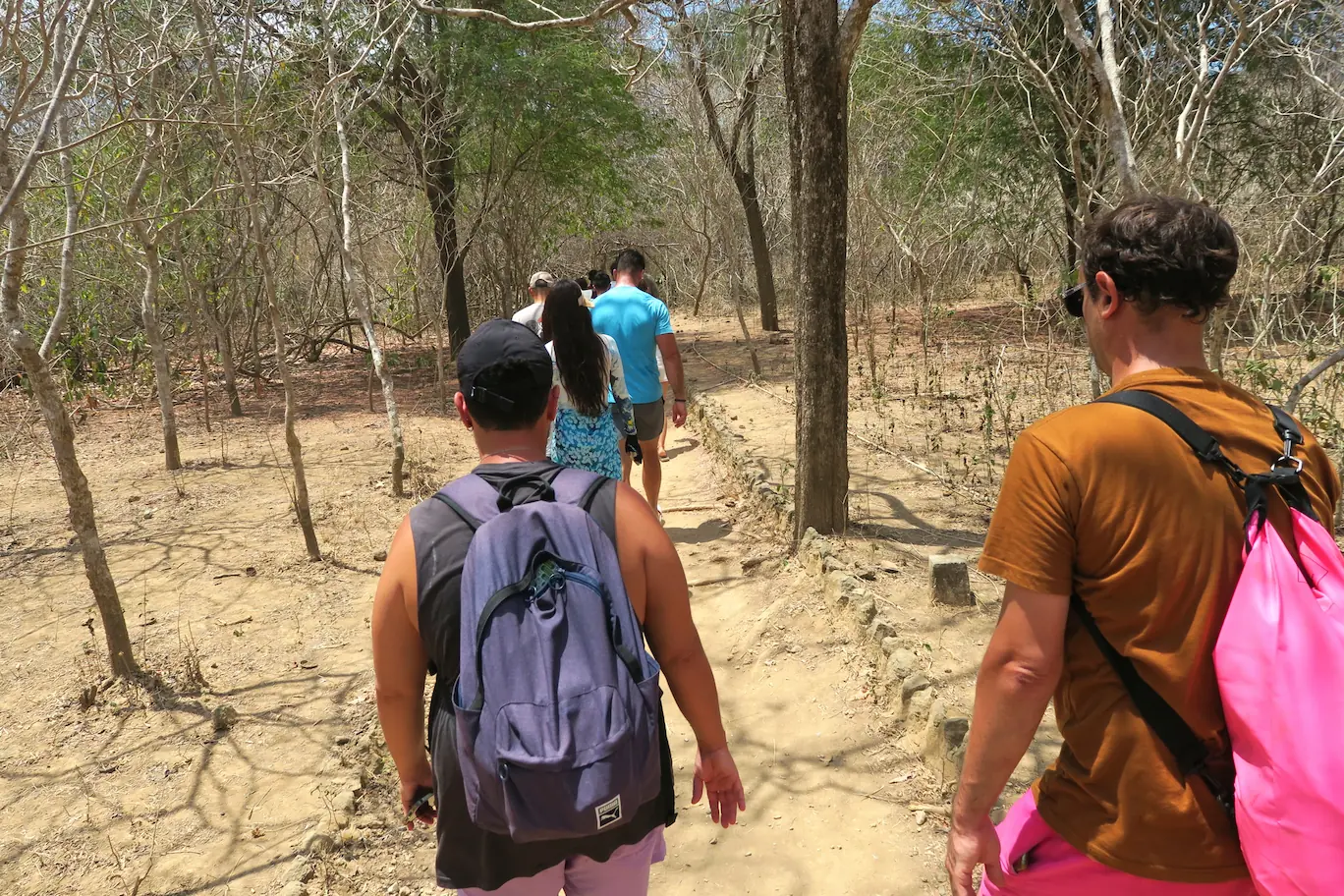
At Loh Liang, we were welcomed by a park ranger who guided us along the trails and shared insights about these incredible reptiles. Walking through their environment, knowing these creatures can run surprisingly fast and have a venomous bite (not a bacterial one, as once believed), was both thrilling and incredible to witness.
Taka Makassar: A Postcard Sandbank
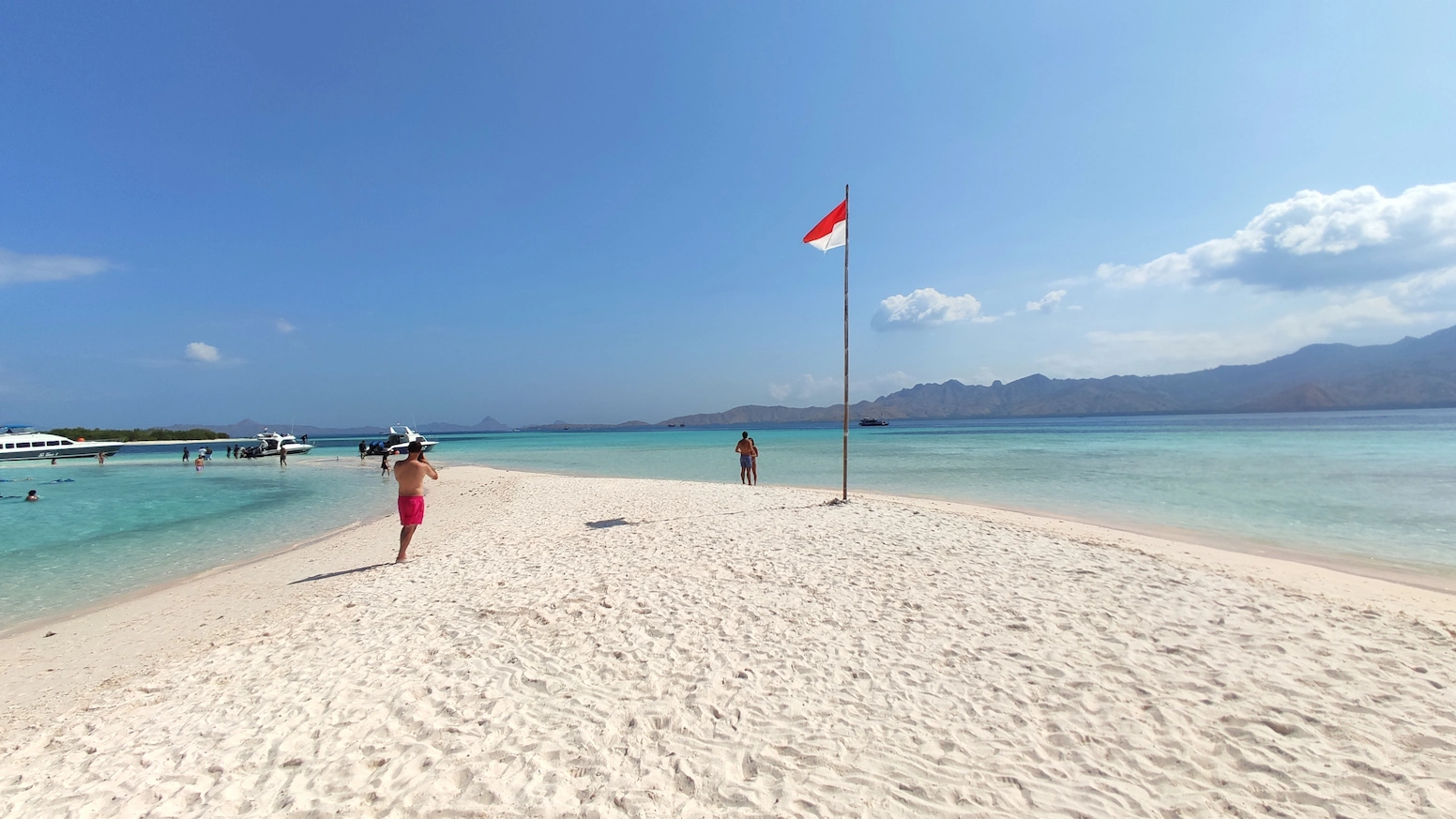
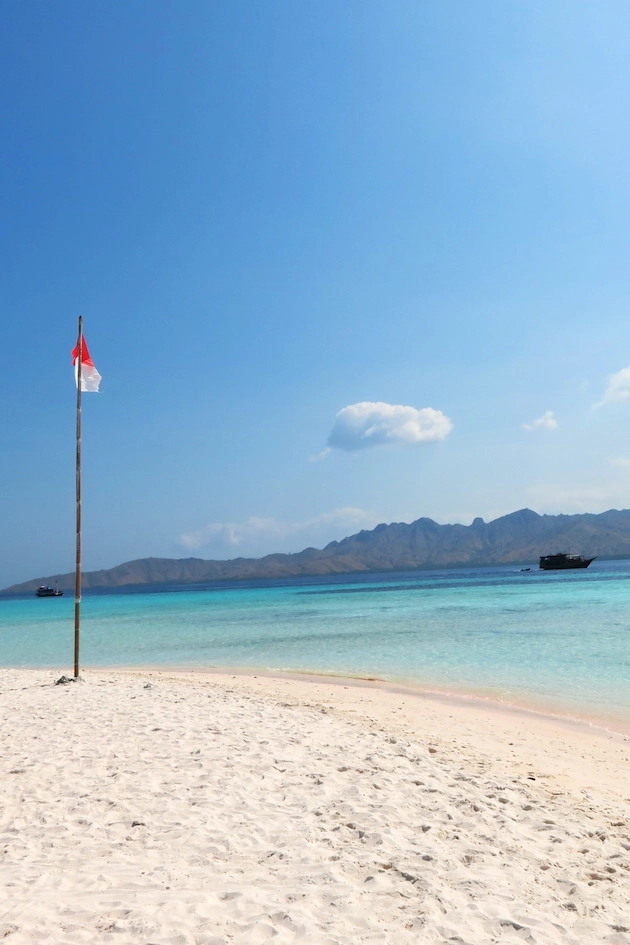
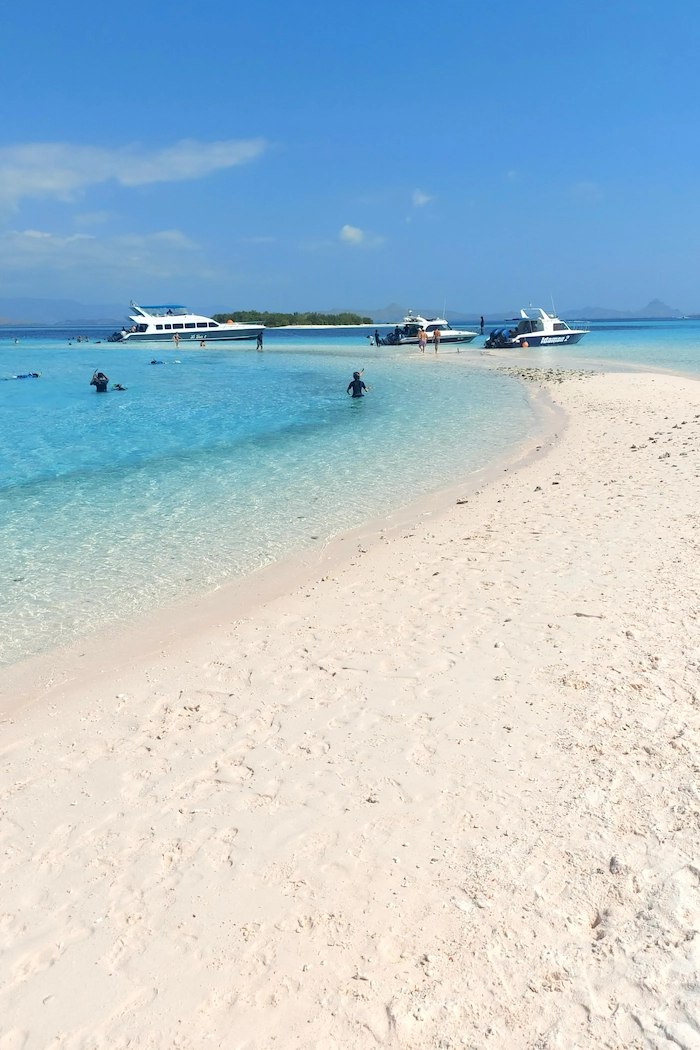
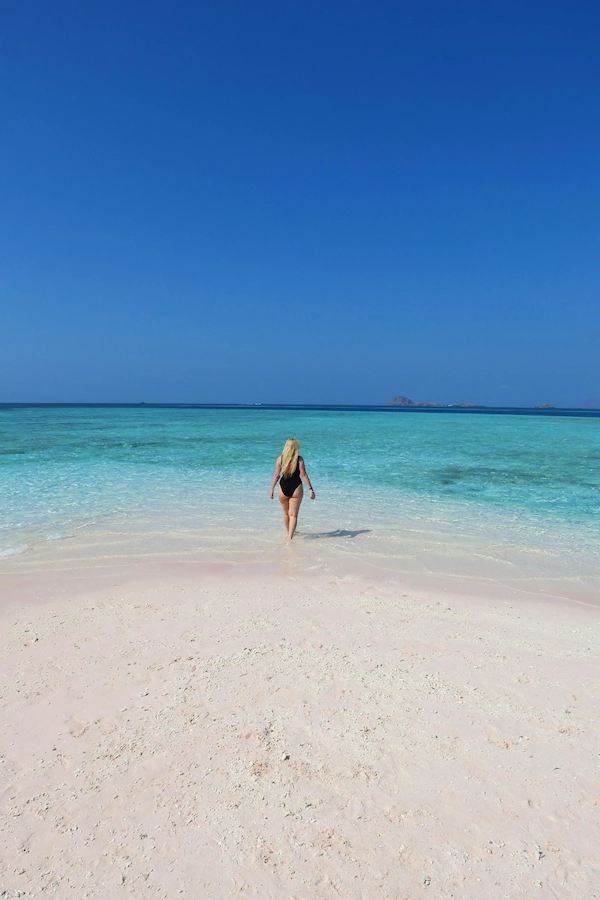
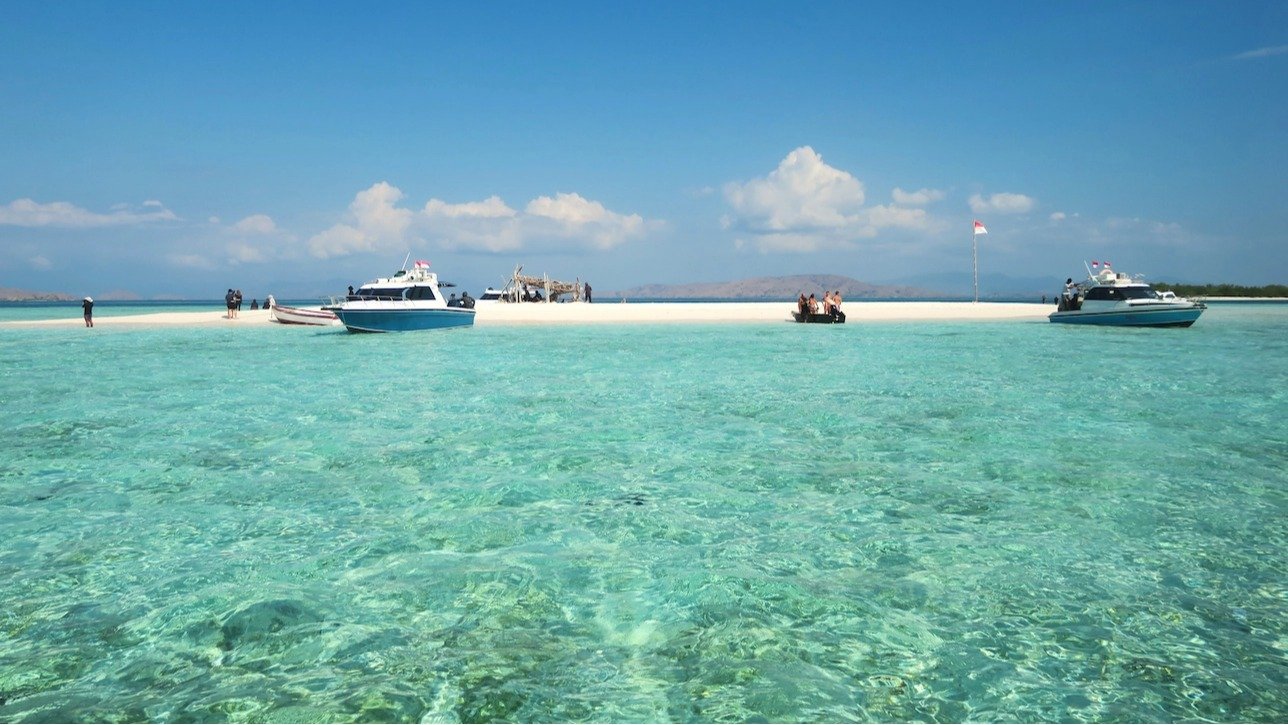
After leaving Komodo Island, we sailed to Taka Makassar, a tiny sandbank that emerges from the sea during low tide. Unlike the islands we had visited earlier, this isn’t a proper island, but a crescent-shaped stretch of pristine white sand surrounded by turquoise waters – a truly striking contrast.
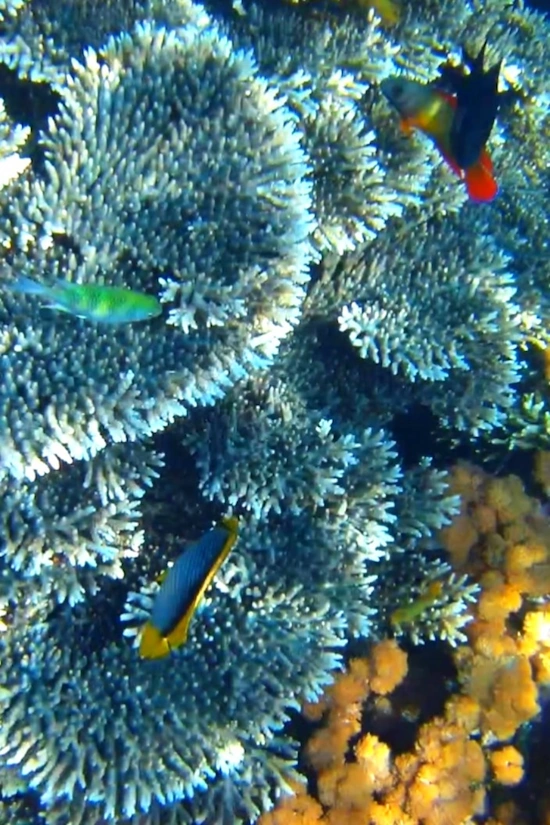
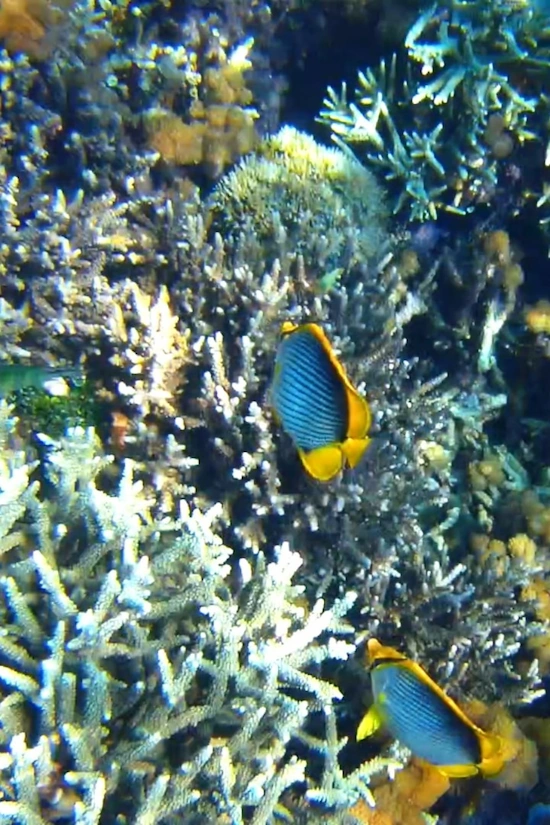
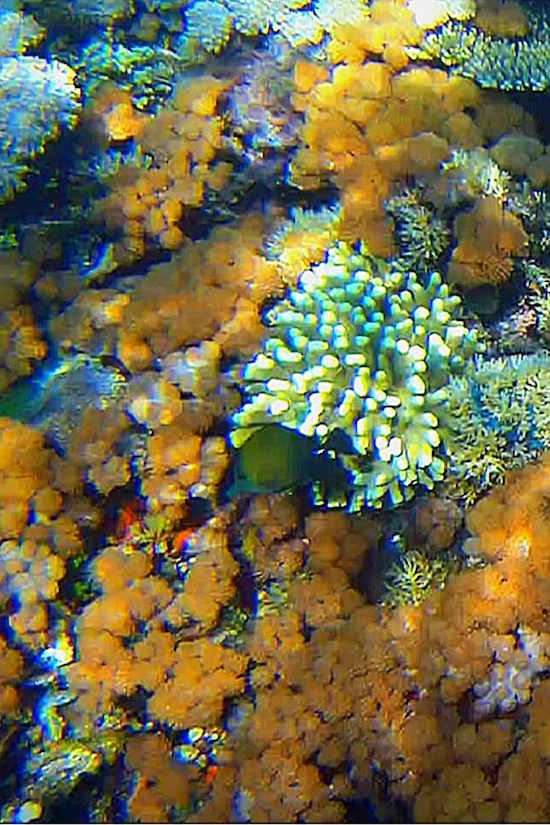
Before reaching it, we were given the option to snorkel to Taka Makassar. Some of us chose to jump into the clear water and enjoy the colourful marine life along the way, but it wasn’t mandatory; you could also simply step onto the sand directly from the boat.
Once on the sand, it felt like stepping onto a postcard: a small, perfect patch of white sand in the middle of the sea, surrounded by nothing but ocean.
Manta Point: Swimming with Gentle Giants
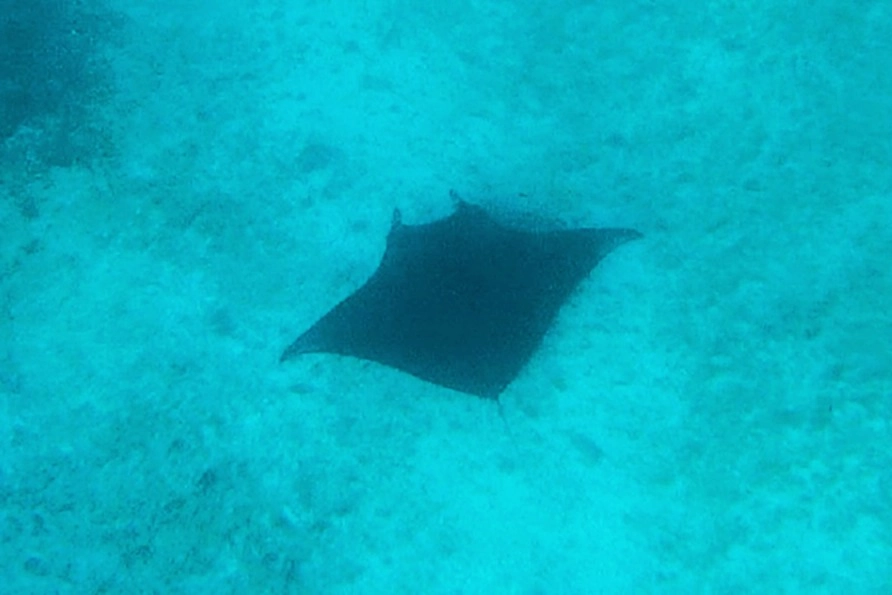
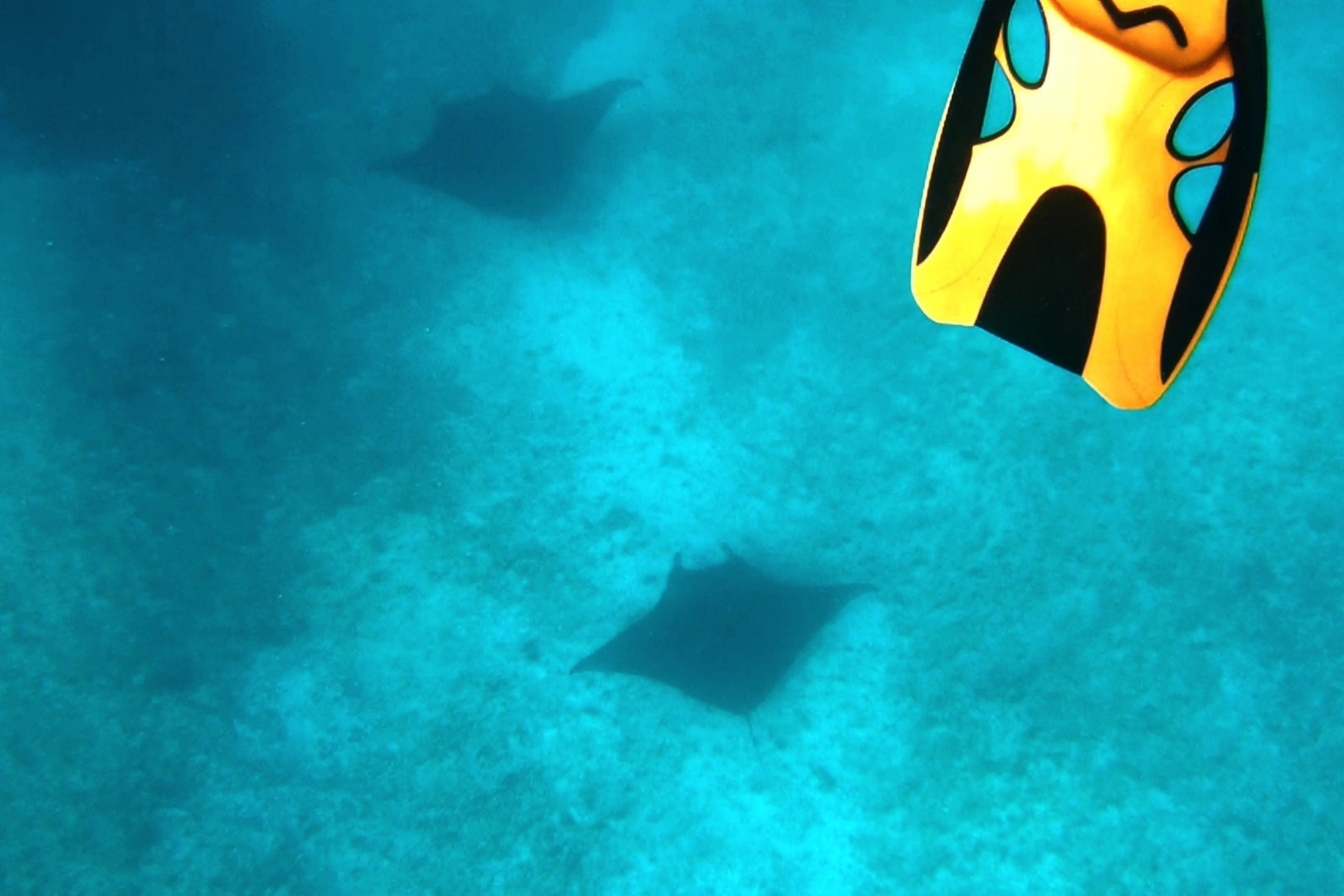
From Taka Makassar, we continued to Manta Point, also known as Karang Makassar, one of the best spots in Komodo National Park to see and snorkel alongside manta rays. The water here is rich in plankton, which attracts these majestic creatures in large numbers.
We jumped into the water, and suddenly there they were: giant manta rays swimming calmly beneath us. Their size is breathtaking, with wingspans ranging from 3 to 5 metres (some can reach up to 7 metres!), but their movements are smooth and elegant. Unlike stingrays, manta rays have no venomous stinger, making swimming with them a safe and unforgettable experience. Swimming alongside them was one of the most magical moments of the day.
Kanawa Island: The Perfect Ending
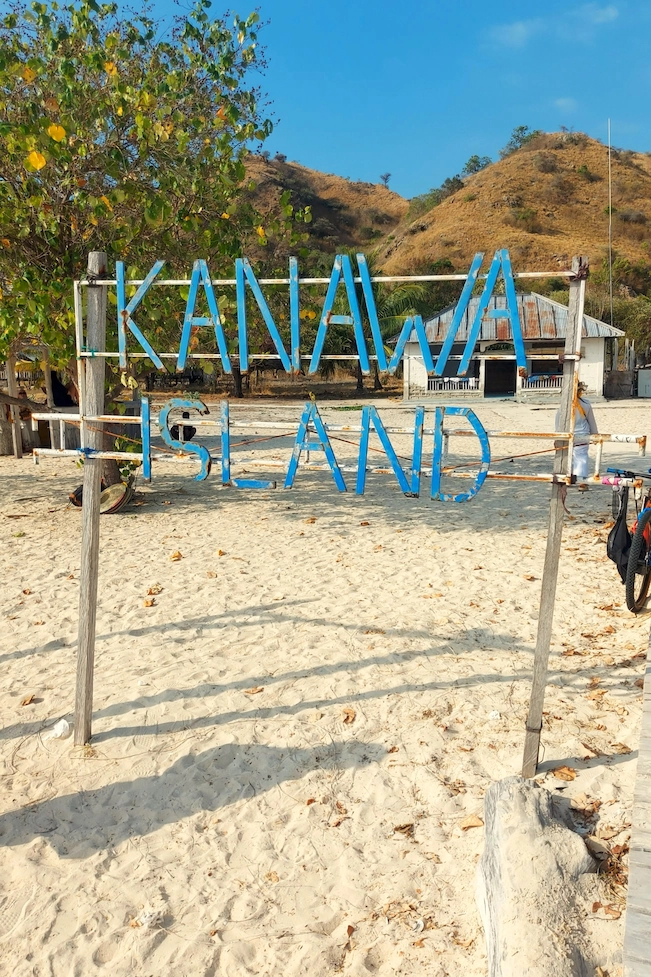
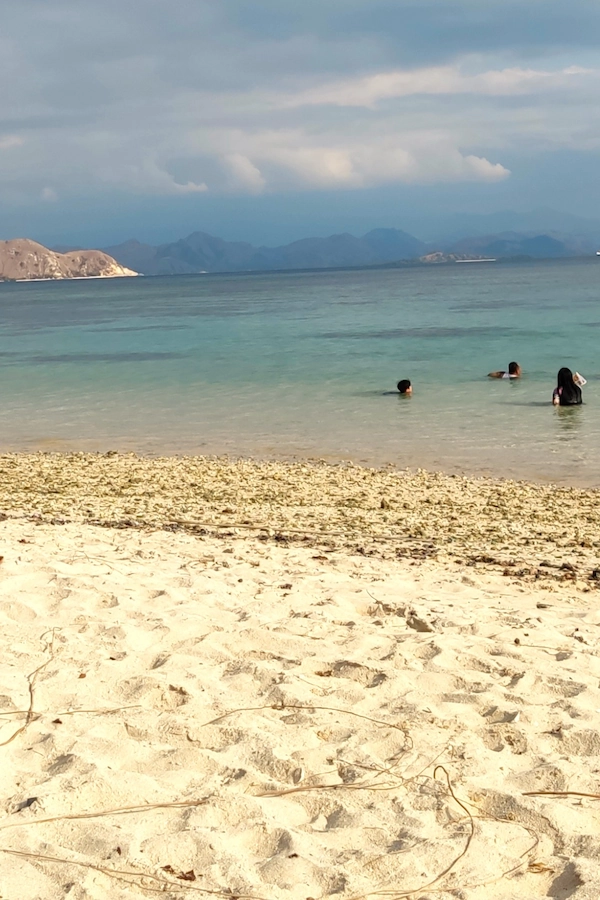
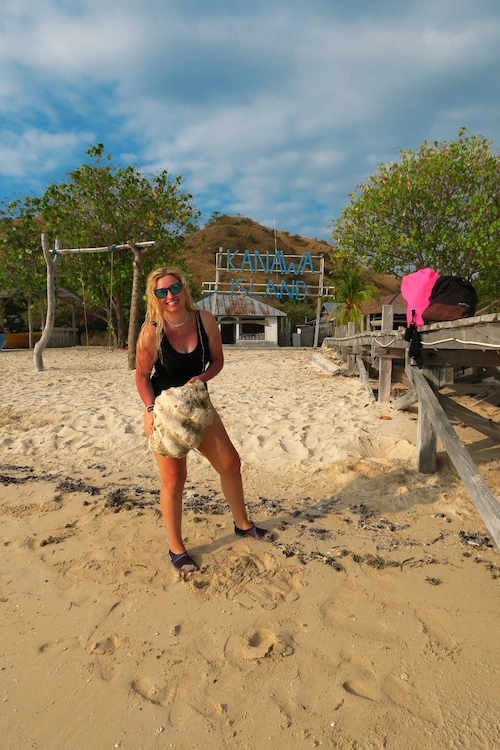
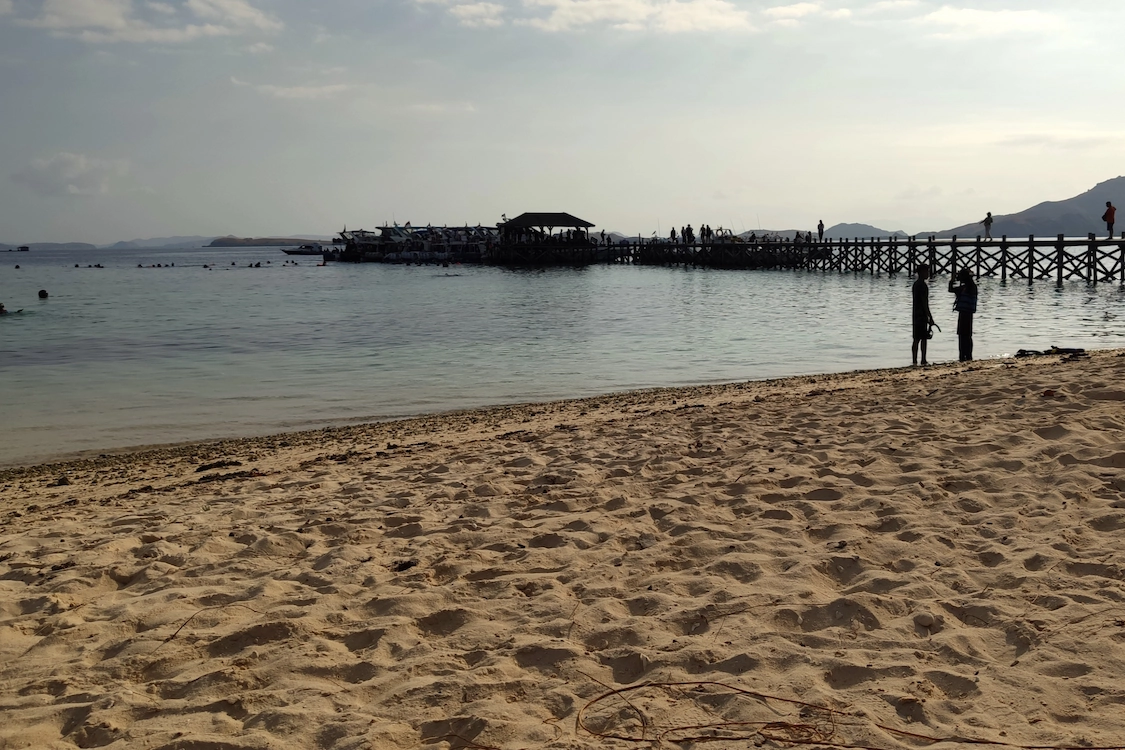
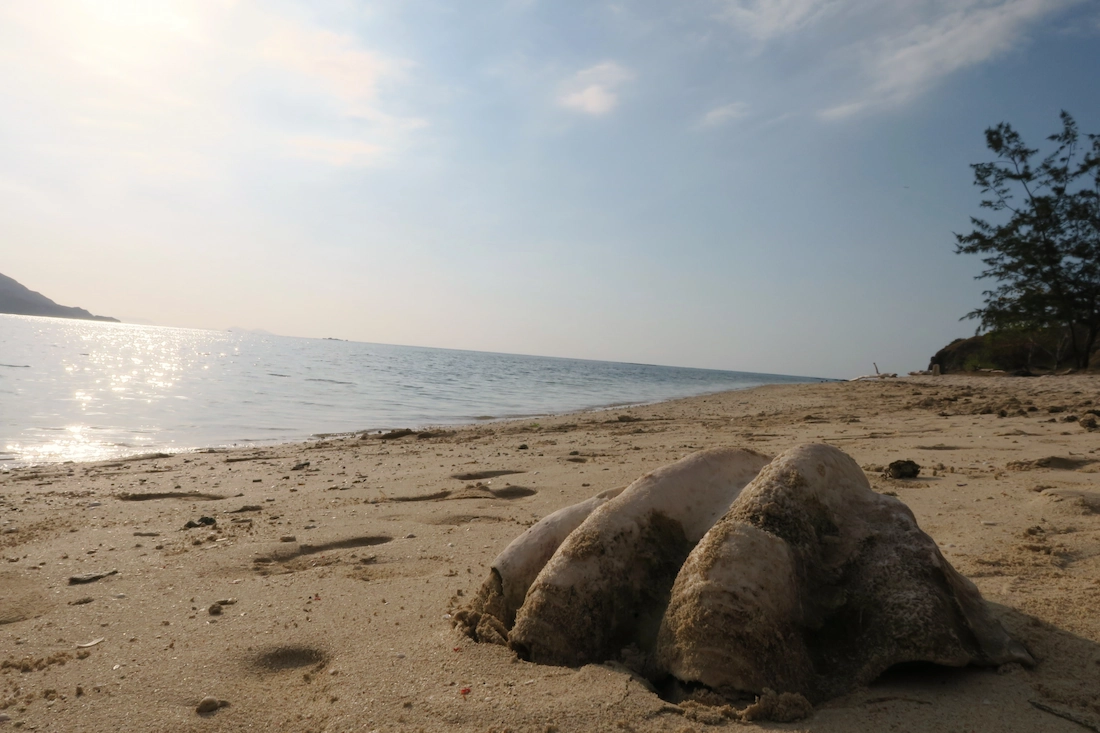
Our final stop was Kanawa Island, the perfect place to relax after such a full day of exploring. We lay on the sand, took a final dip in the clear turquoise water, and let the memories of the day sink in.
We sailed back to Labuan Bajo and were dropped off at our hotel, marking the end of an incredible day.
In a single day, we enjoyed breathtaking panoramic vistas from Padar, the iconic pink sands of Pink Beach, came face-to-face with the legendary Komodo dragons, and swam alongside majestic manta rays. It’s the kind of adventure that stays with you long after you leave, and a story you’ll be telling for years.
With love,
Nuria
 EN
EN  ES
ES