
Jatiluwih, Bali: Endless Shades of Green
Ancient Rice Terraces, a UNESCO World Heritage Landscape in the Heart of Bali
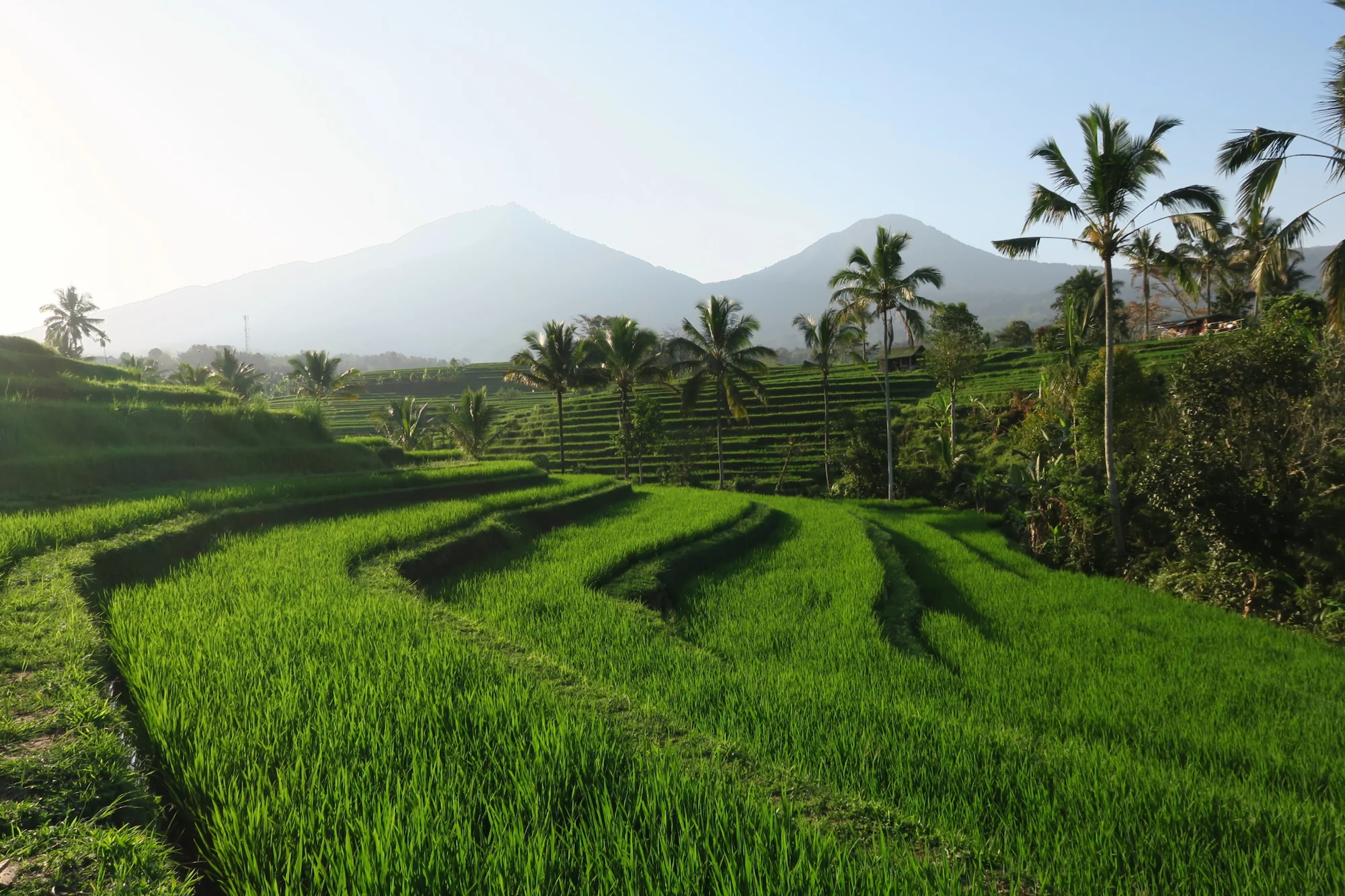
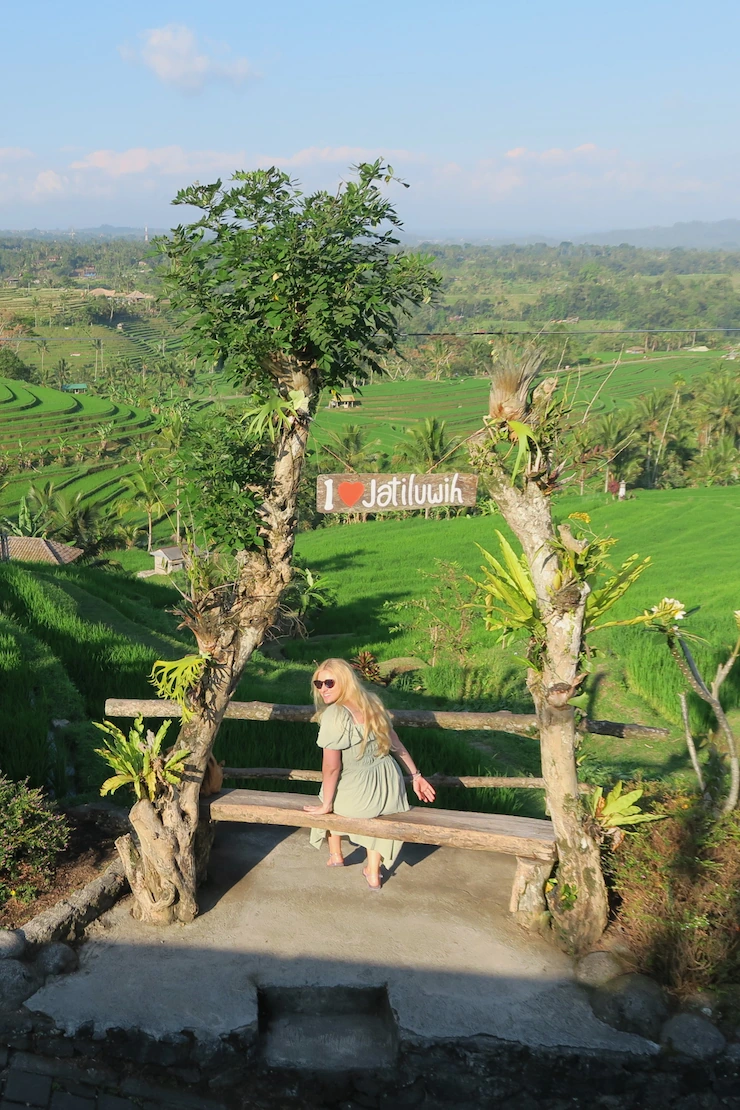
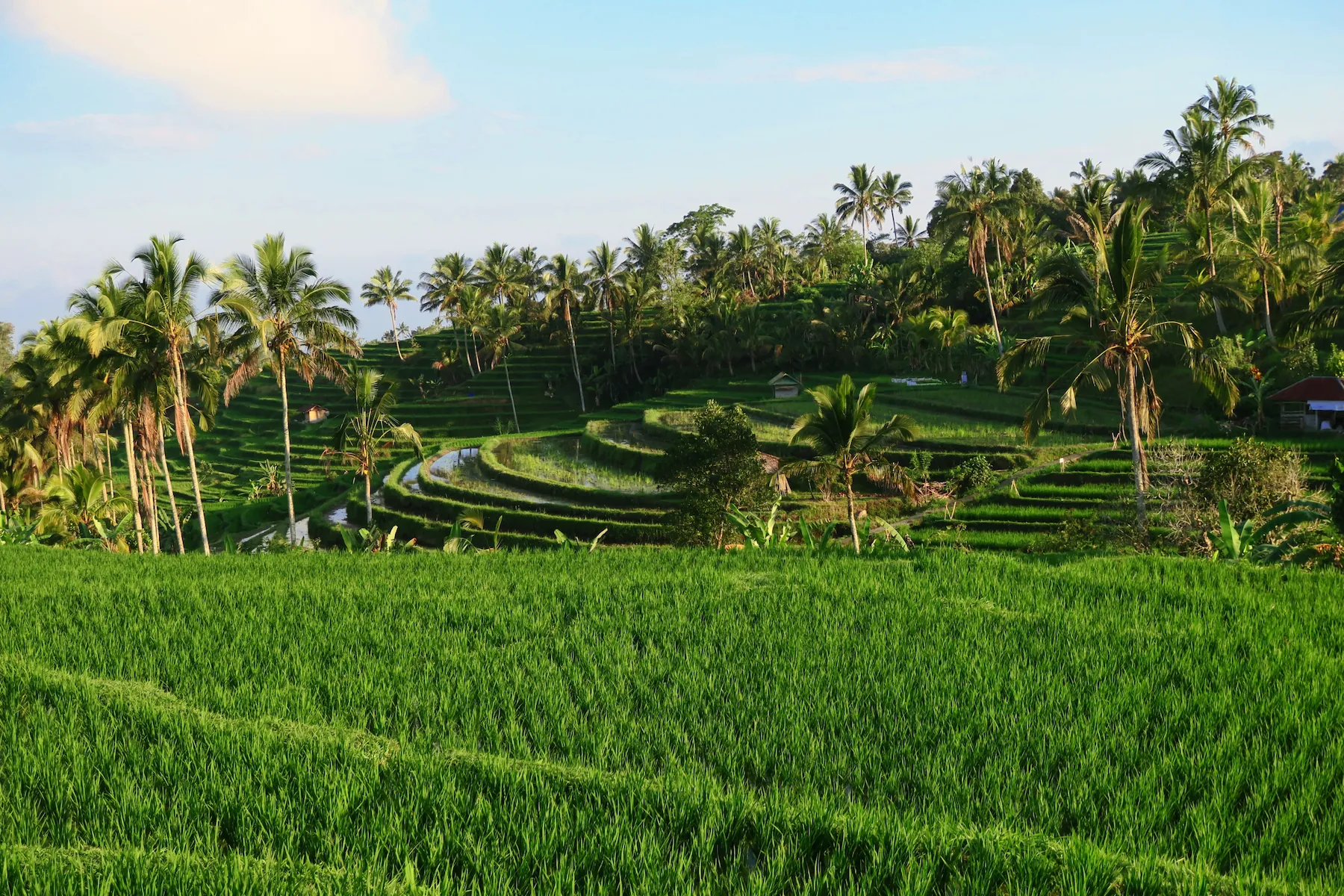
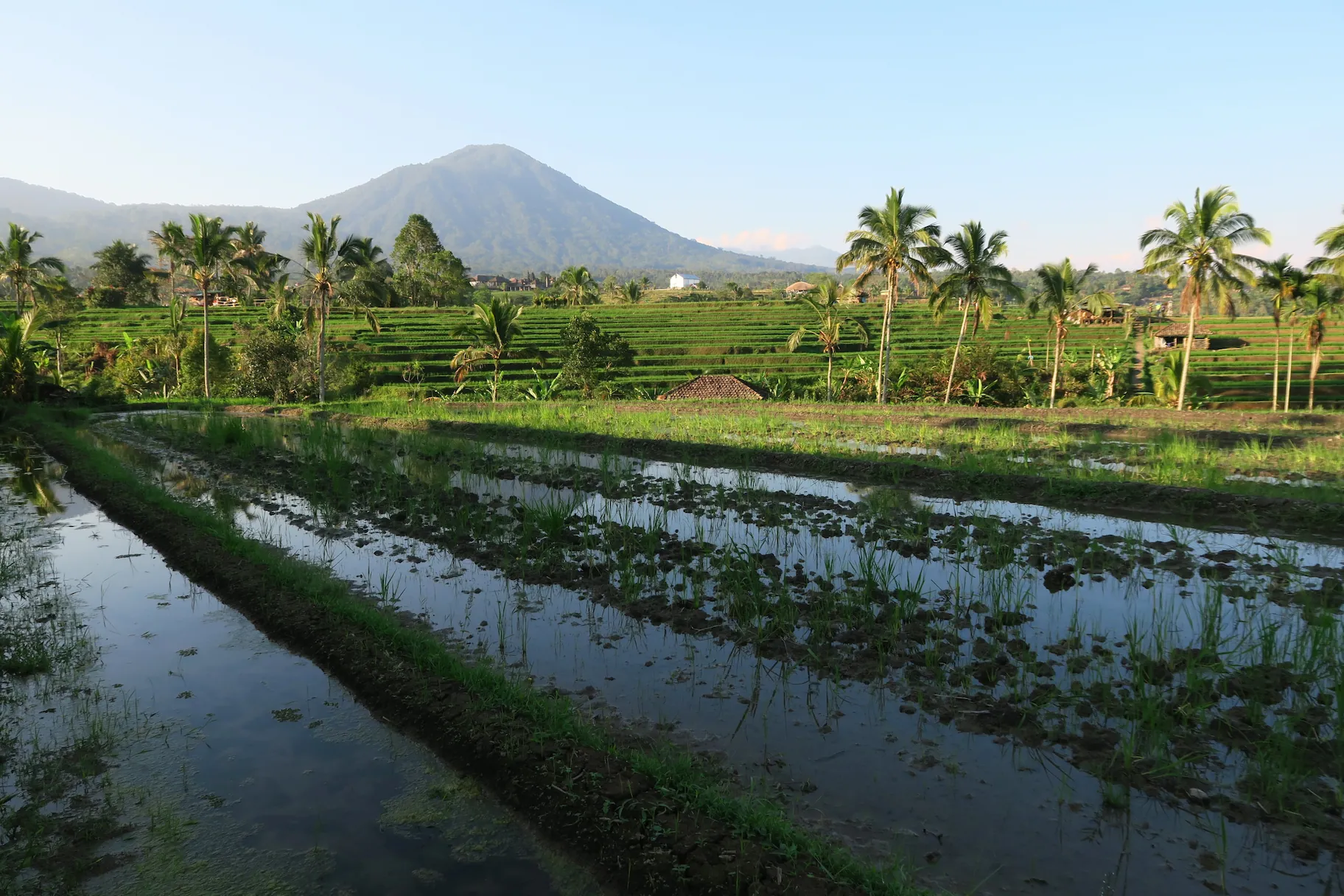
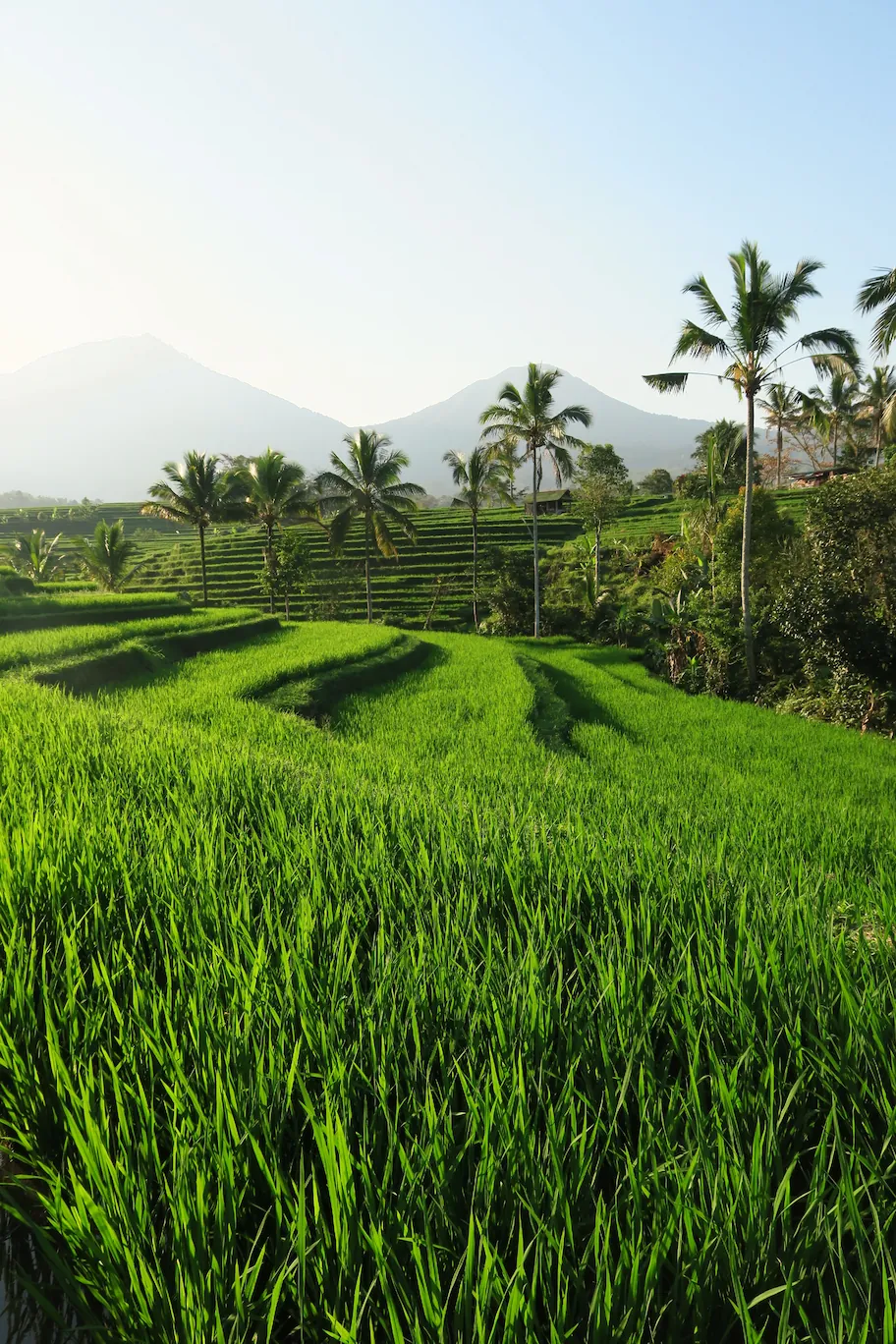
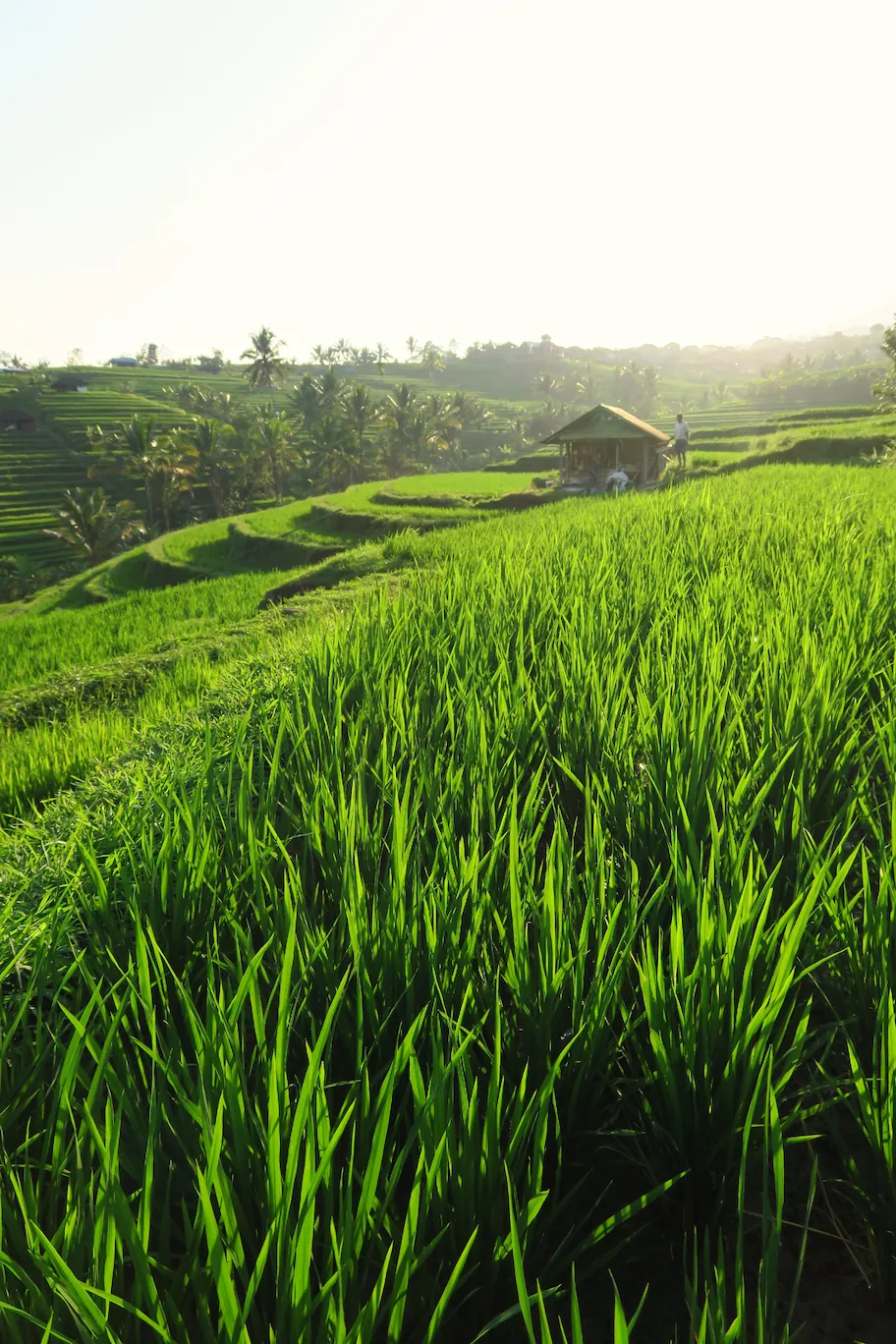
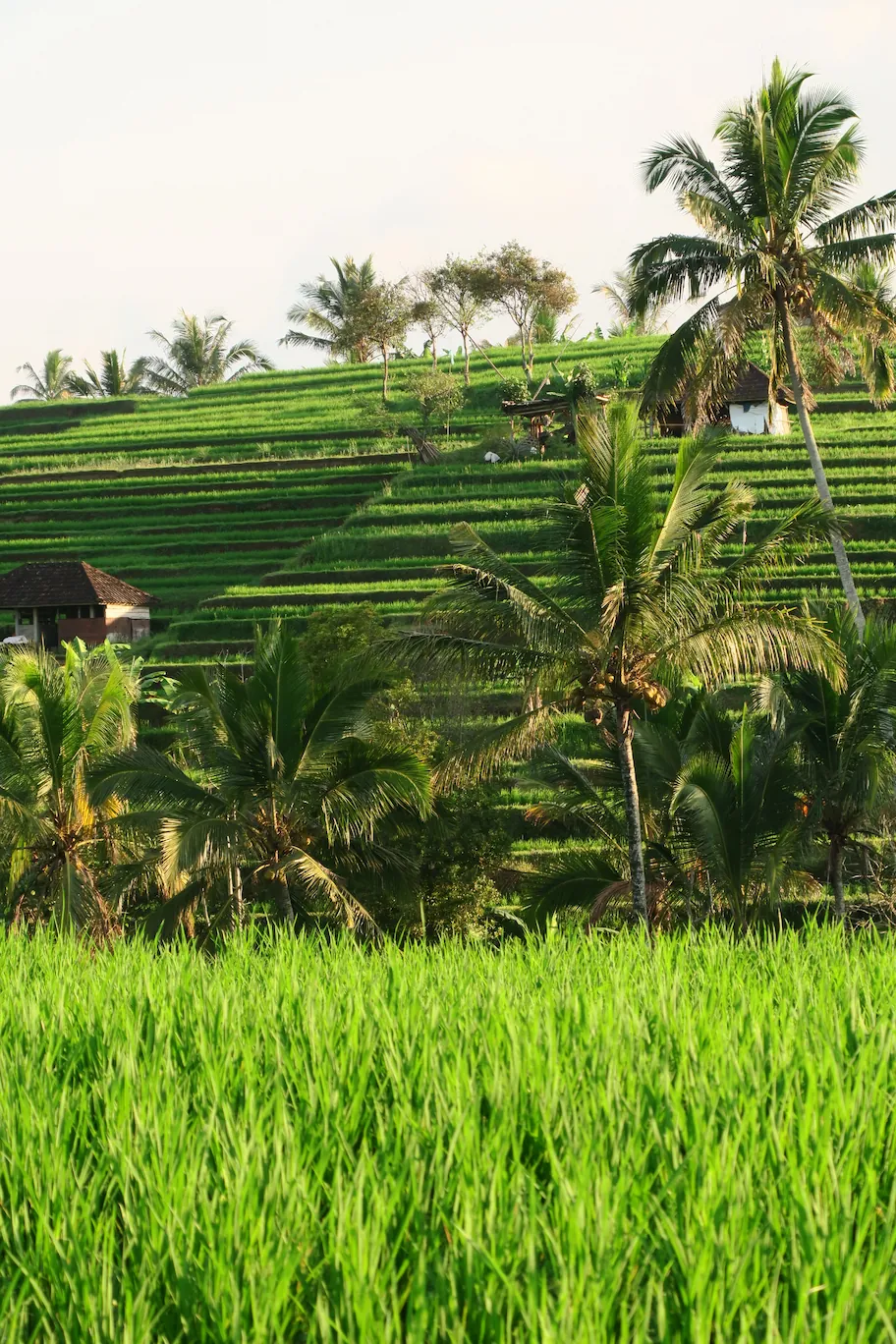
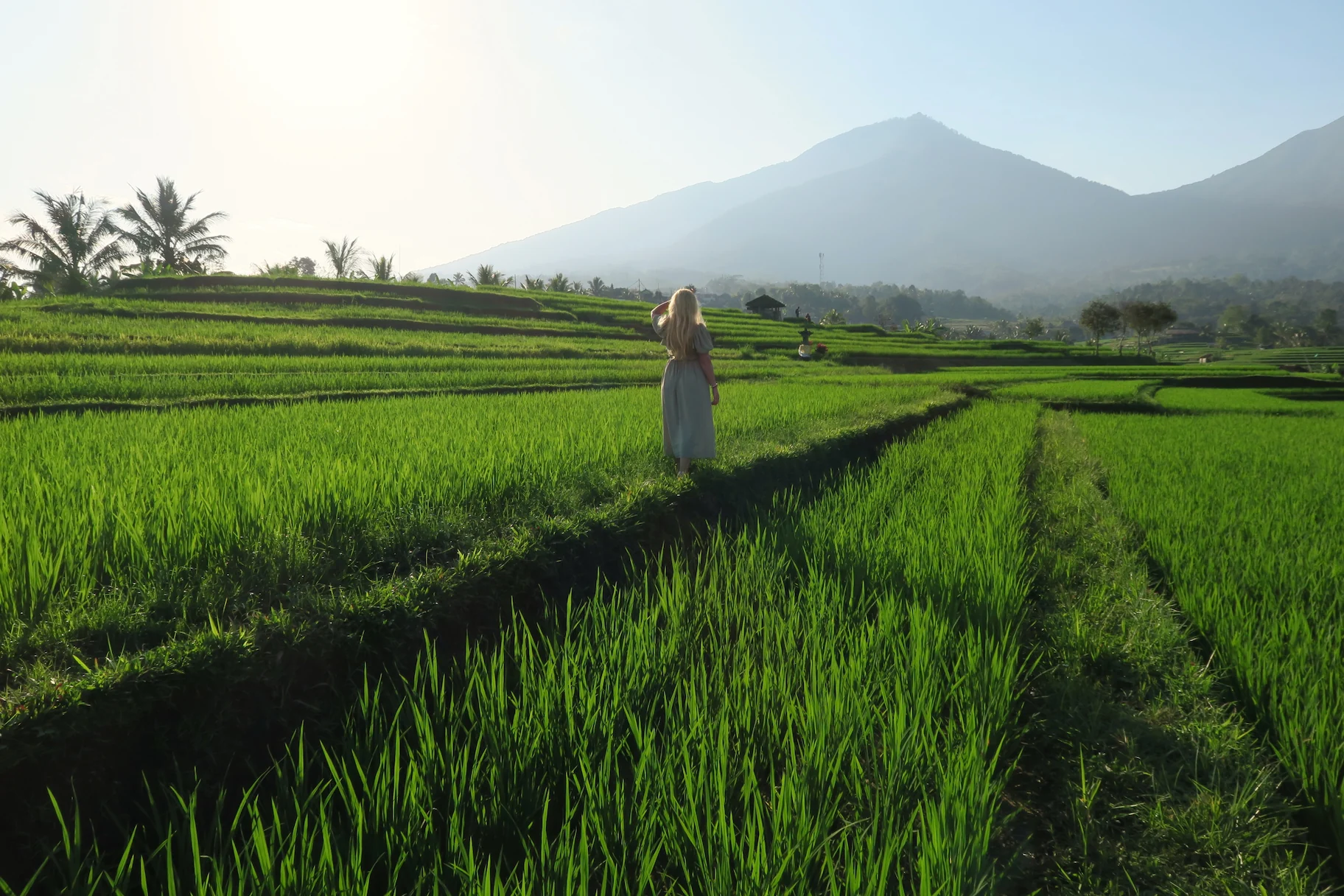
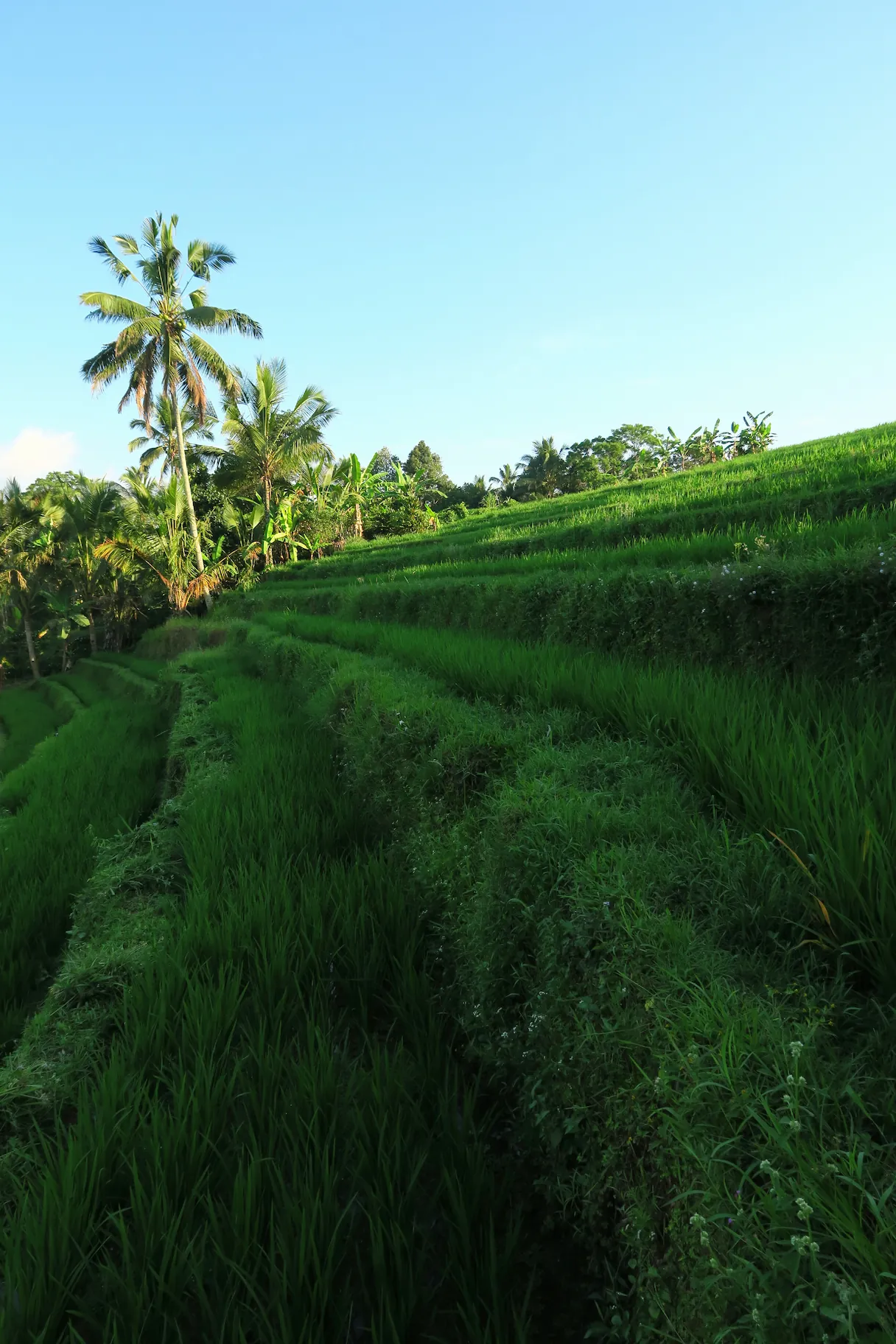
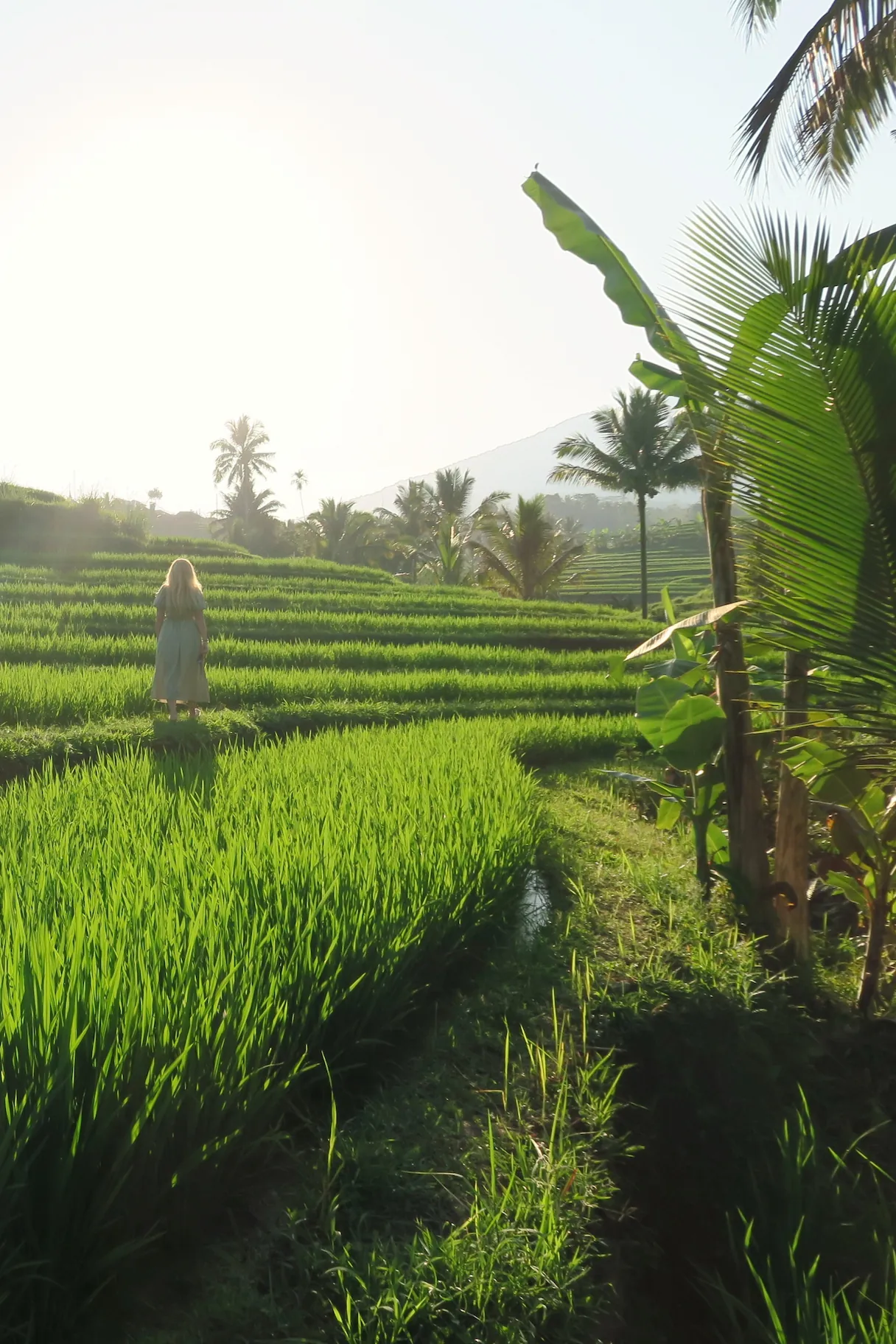
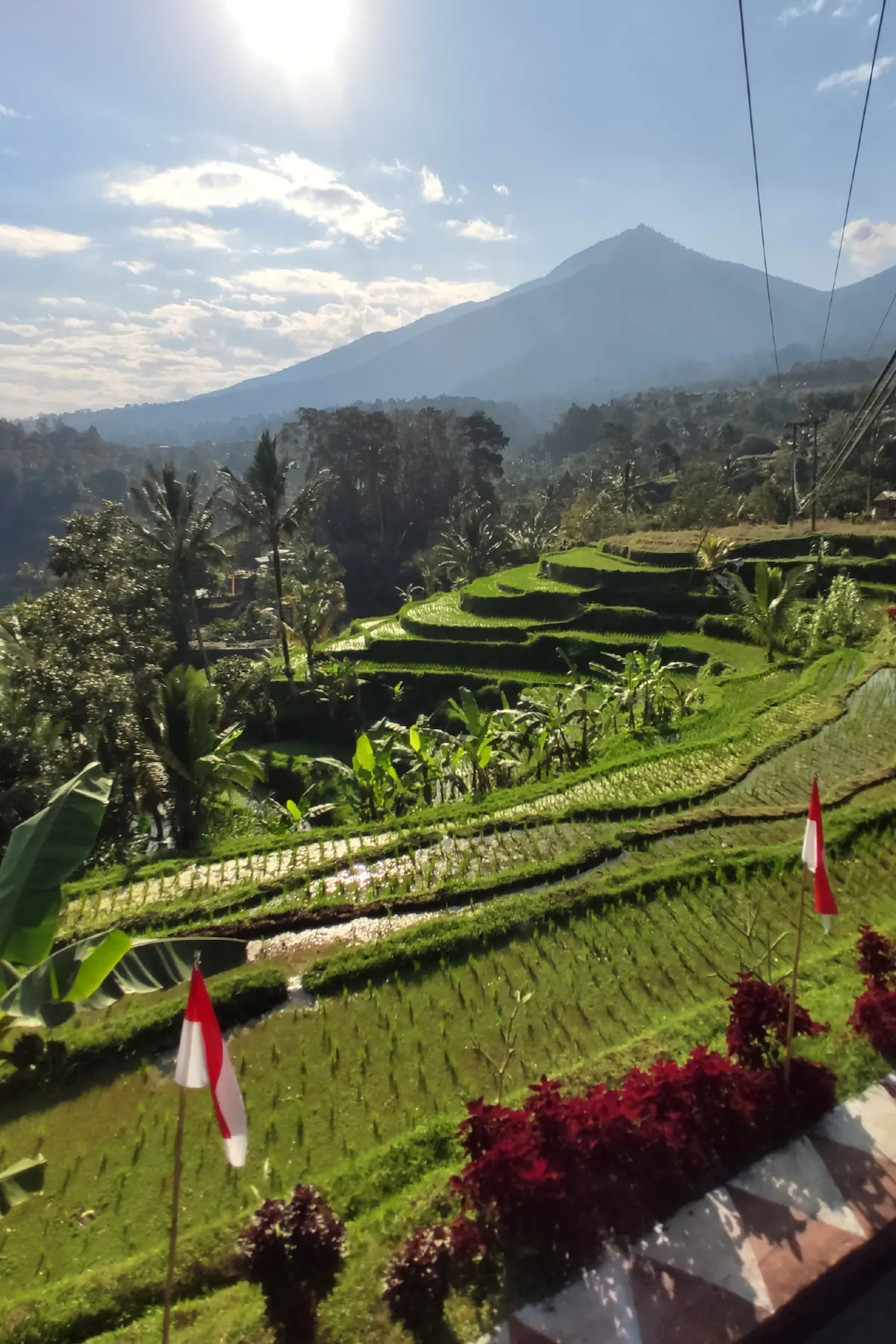
In Jatiluwih, green is the absolute main character. Ancient rice terraces stretch across approximately 600 hectares, making it the largest rice terrace area in Bali. Set on the slopes of Mount Batukaru, this agricultural landscape has been shaped over centuries and remains actively cultivated today.
The fields rely on the traditional subak irrigation system, which is based on the Balinese Hindu philosophy of Tri Hita Karana, centred on harmony between people, nature and the gods, and brought to life through a system where farmers not only share water among their fields, but do so fairly, following traditions that keep harmony with nature and honour the gods of water.
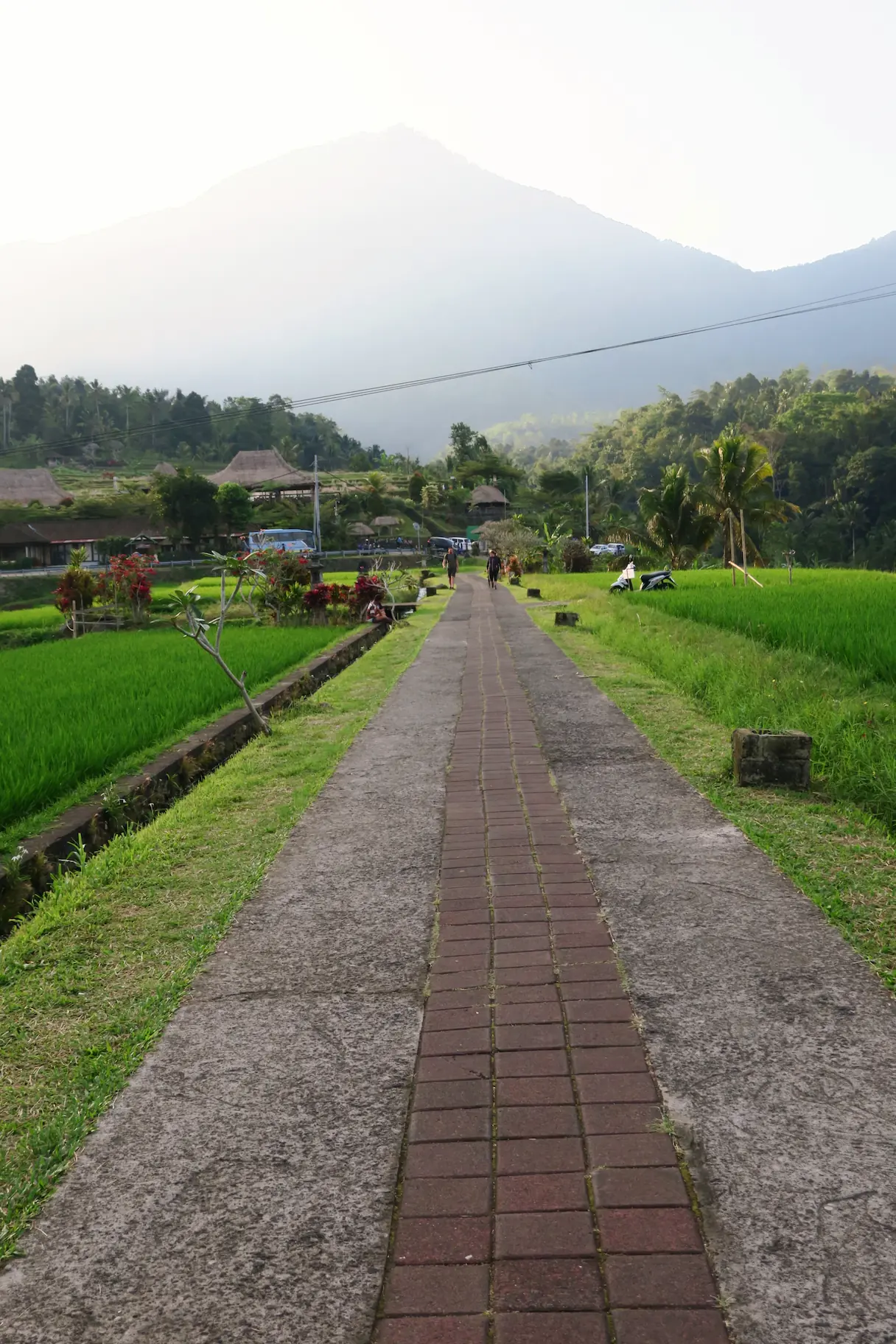
Fittingly, the name Jatiluwih comes from two Balinese words: ‘Jati’, meaning ‘truly,’ and ‘Luwih’, meaning ‘wonderful’. Together, the name is often interpreted as ‘truly special’, a description that feels appropriate once you start walking through the terraces. Unlike the more crowded Tegallalang Rice Terrace, Jatiluwih feels open and peaceful, giving visitors the chance to explore at their own pace. Located in central Bali’s Tabanan Regency, at around 700 meters above sea level, the area enjoys a cooler and fresher climate compared to the island’s southern coast. In recognition of its cultural and agricultural importance, Jatiluwih was designated a UNESCO World Heritage Site in 2012 as part of the Subak system.
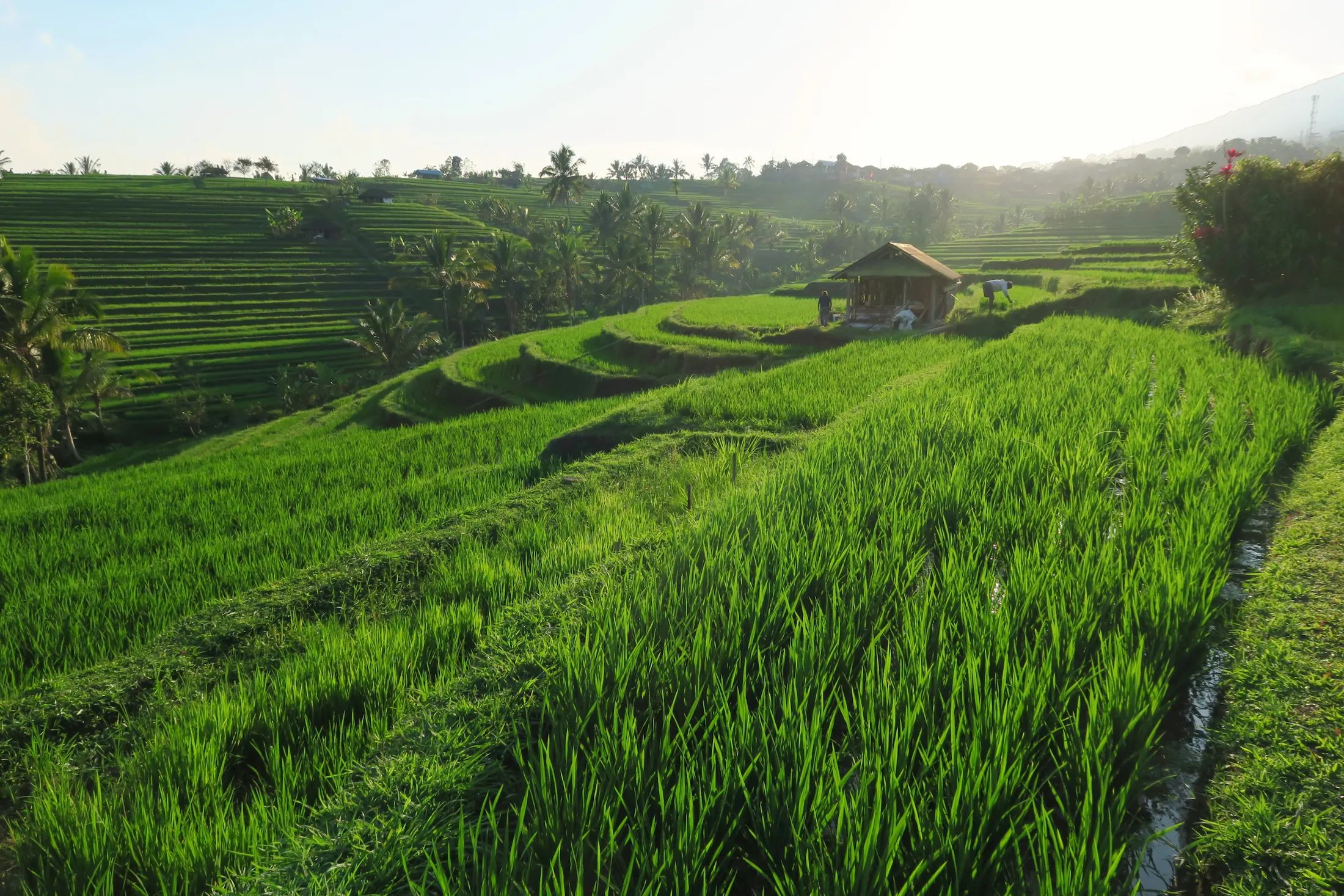
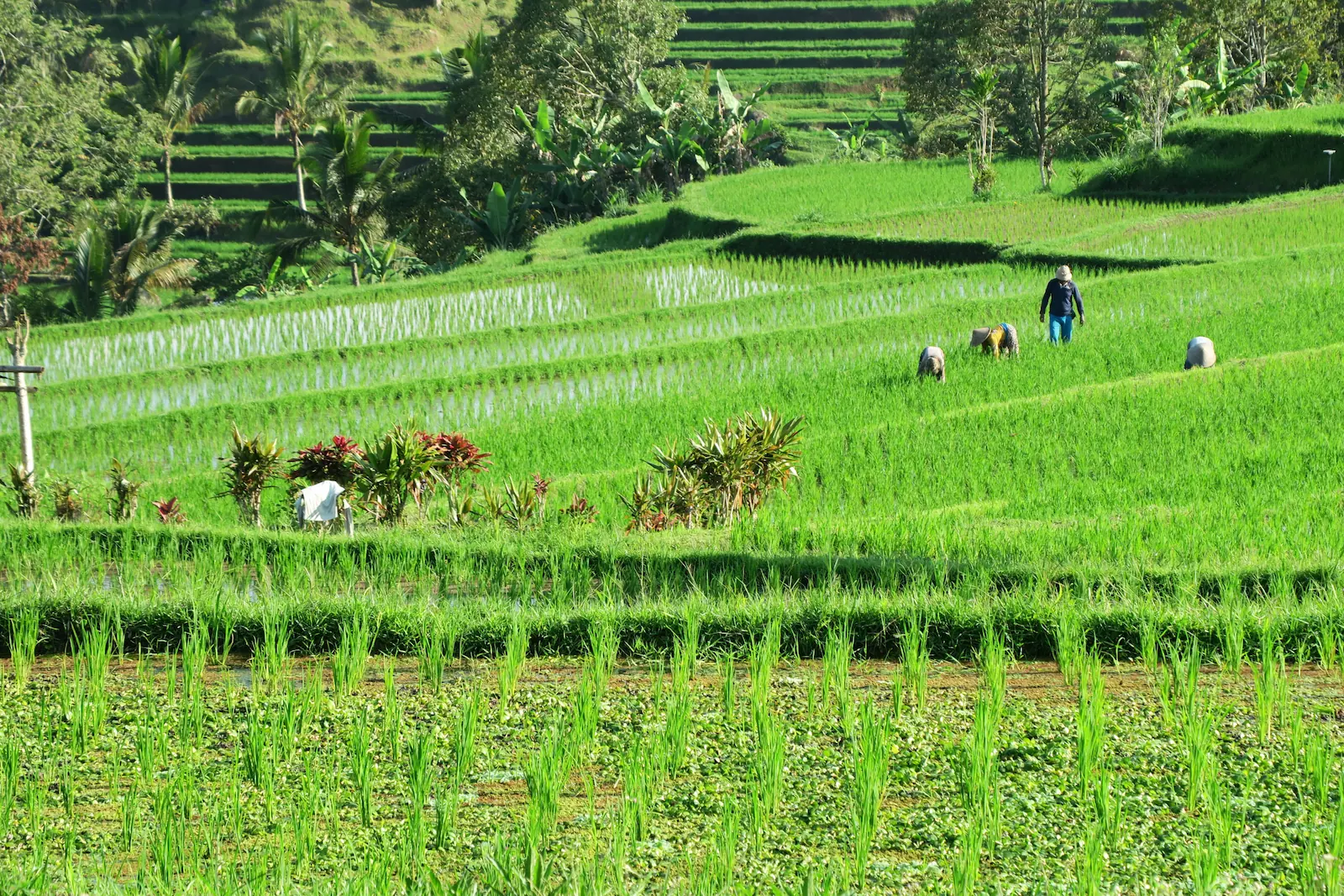
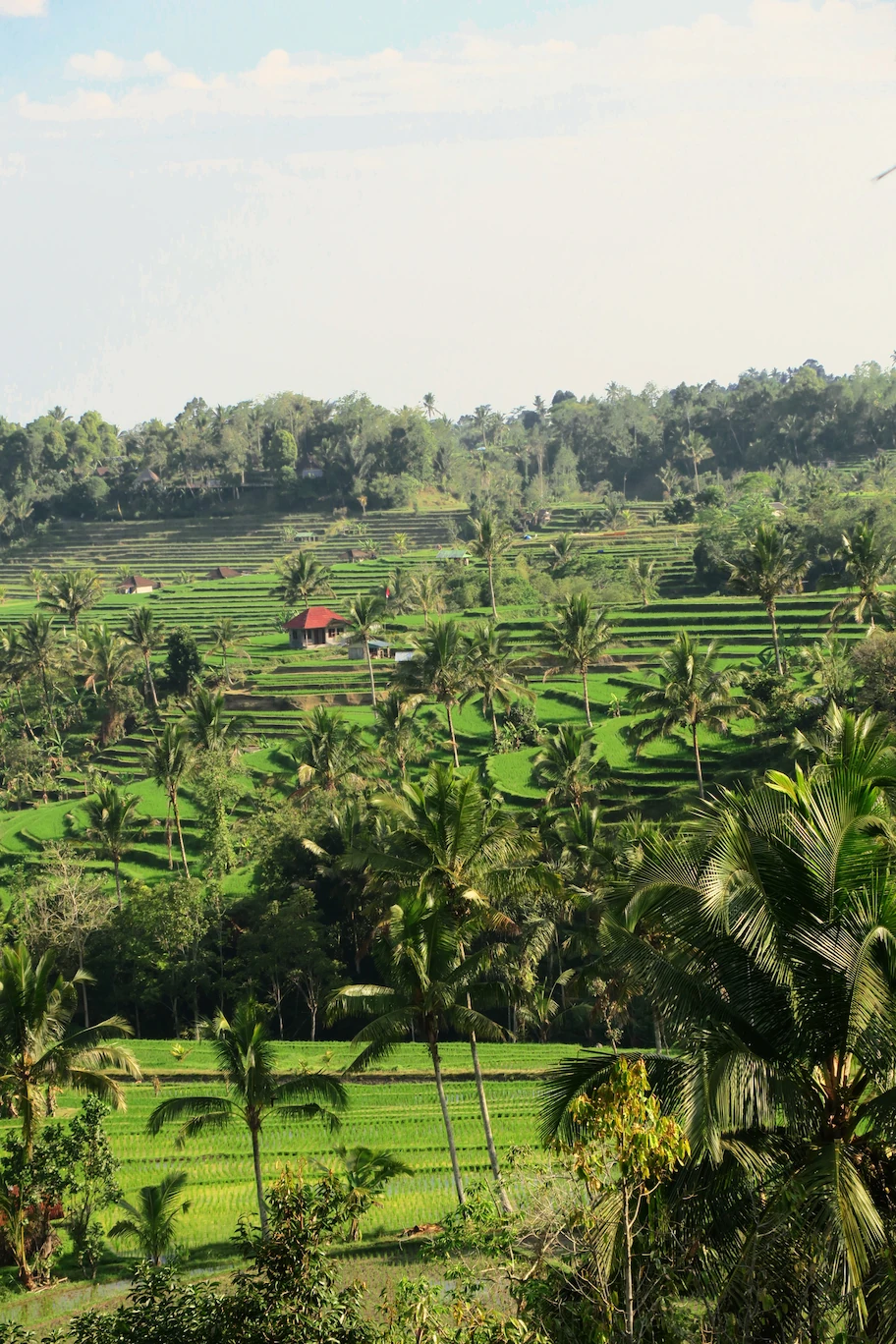
Walking Trails in Jatiluwih Rice Terraces
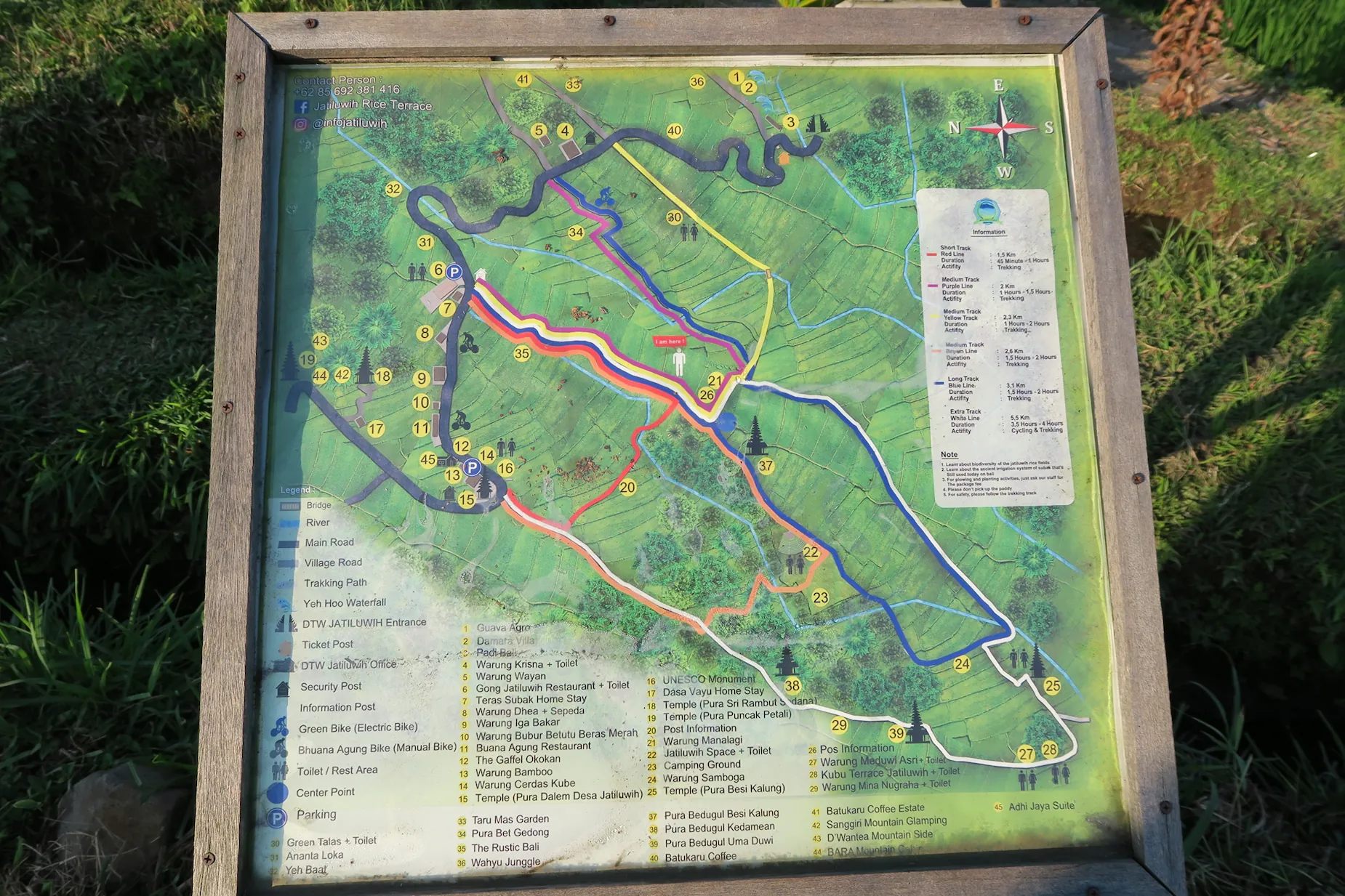
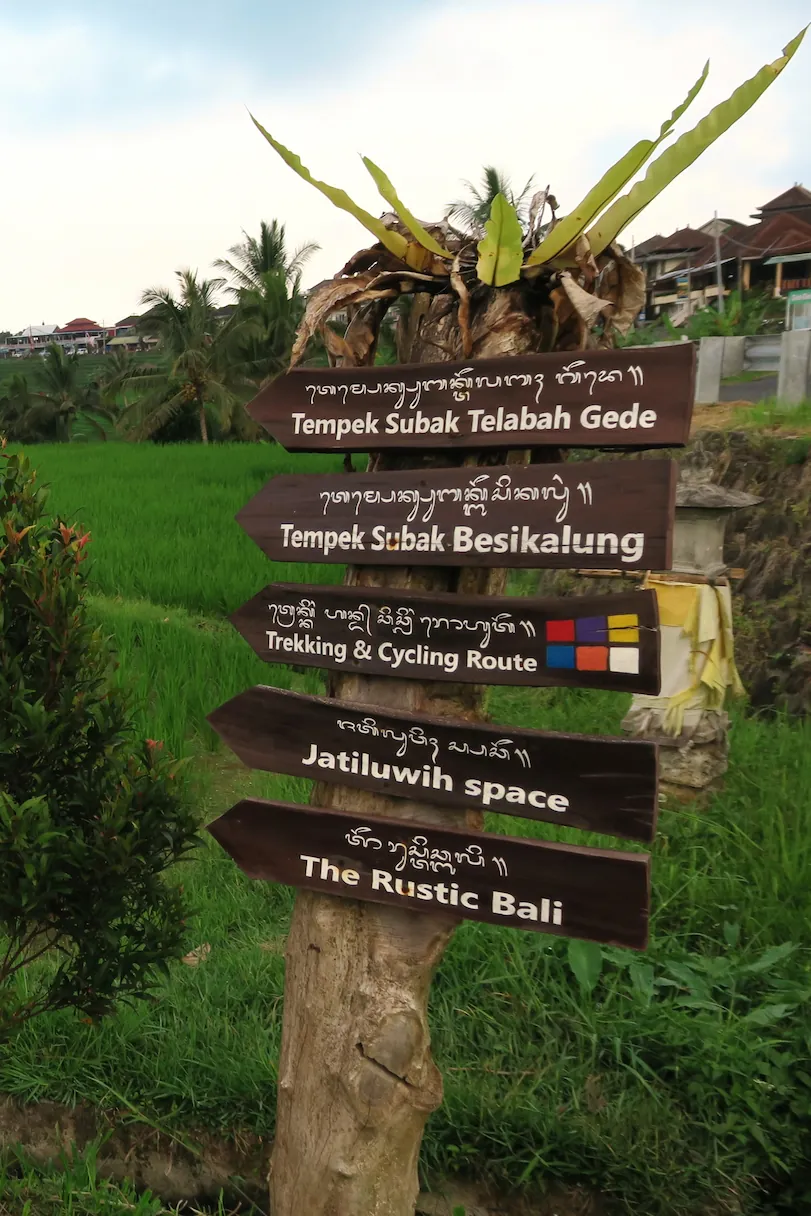
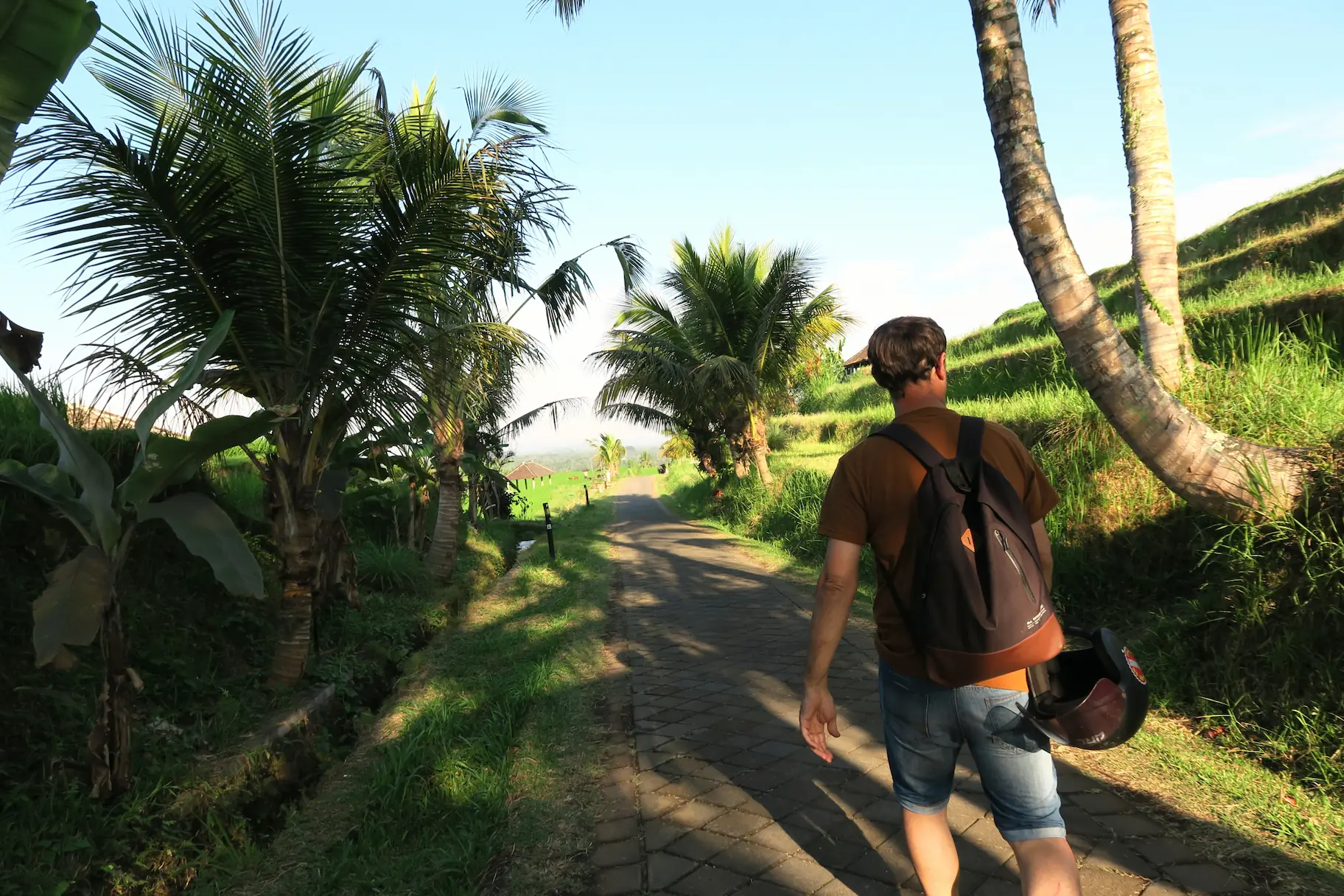
Jatiluwih can be explored through several marked trails that cross the rice terraces at different levels. The routes vary in length, so you can choose one that suits your time and energy, whether it’s a short walk for a quick visit or several hours exploring the terraces on foot.
- Red Line | Short Track | 1.5 km | 45 min - 1 hour | Trekking
The Red Line is the shortest and easiest trail, ideal if you have limited time or are looking for a short walk. It follows the edge of the rice terraces and offers wide open views with minimal elevation changes. This was the trail we chose during our visit, and it’s a great option for a first introduction to Jatiluwih. - Purple Line | Medium Track | 2.0 km | 1 - 1.5 hours | Trekking
The Purple Line is slightly longer and takes you further into the rice terraces. It’s a good option if you want to spend more time walking without committing to a long hike. - Yellow Line | Medium Track | 2.3 km | 1 - 2 hours | Trekking
The Yellow Line covers a broader area of the terraces and offers a longer walk through the landscape. It’s suitable for those who want to explore beyond the main viewpoints. - Brown Line | Medium Track | 2.6 km | 1.5 - 2 hours | Trekking
The Brown Line is another medium-length route, offering a slightly longer walk through the terraces. - Blue Line | Long Track | 3.1 km | 1.5 - 2 hours | Trekking
The Blue Line is one of the longer trekking routes and allows you to experience a larger section of Jatiluwih on foot. It’s a good choice if you enjoy walking and want a more immersive route through the heart of the terraces. - White Line | Extra Track | 5.5 km | 3.5 - 4 hours | Cycling & Trekking
The White Line is the longest route and can be done either on foot or by bicycle. It’s best suited for those who want to spend several hours exploring the area and cover more ground.
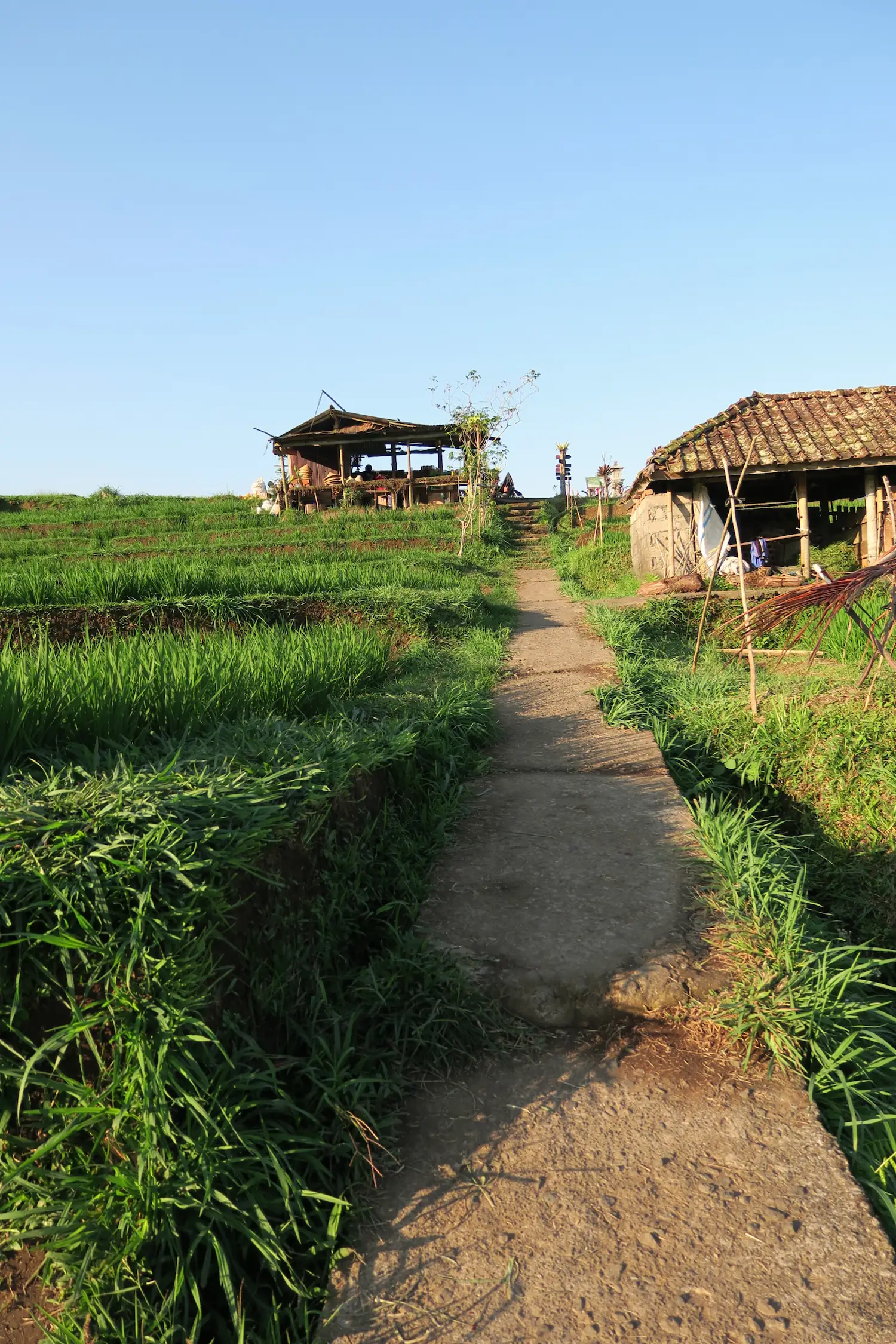
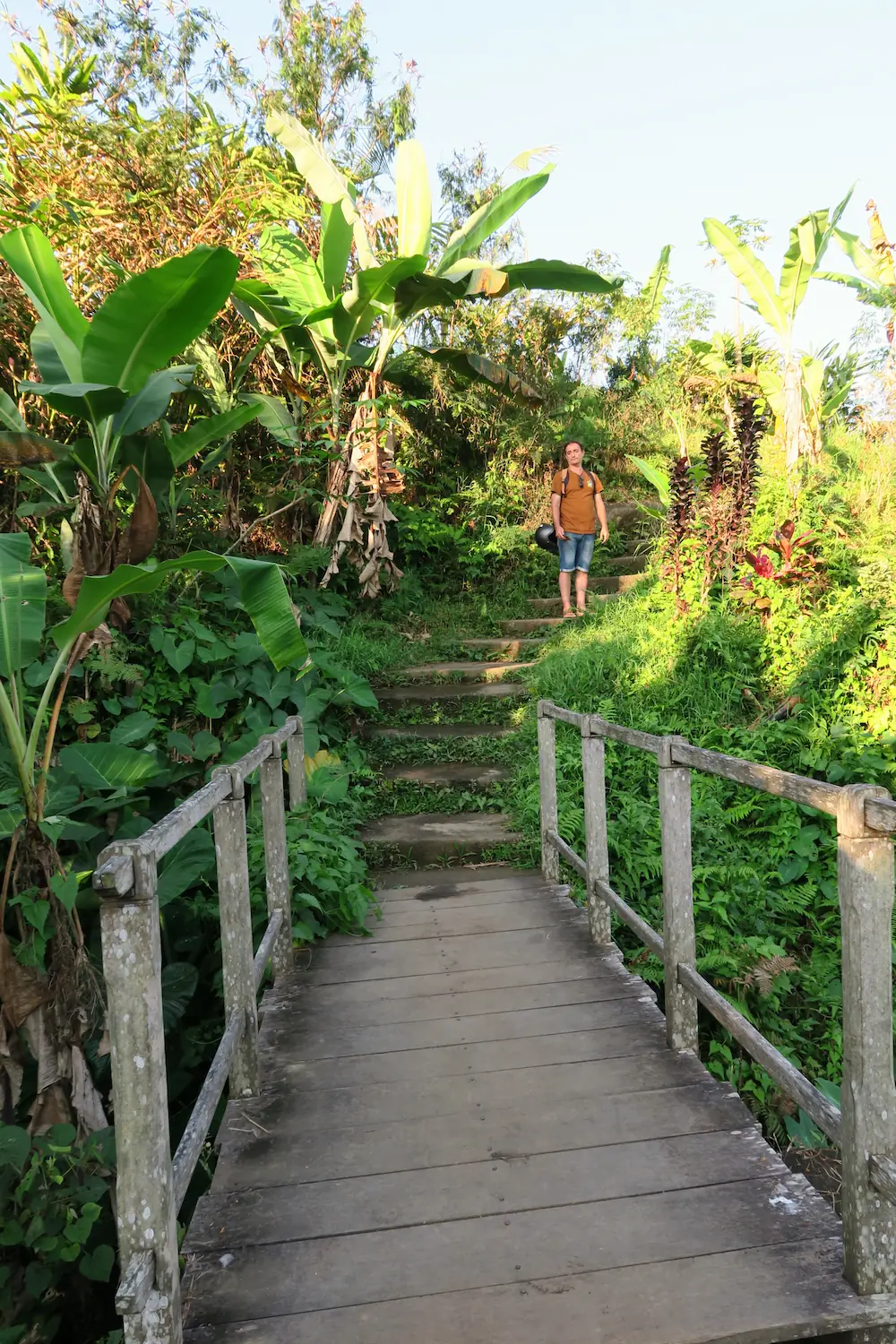
The trails are well-marked and easy to follow, so you can wander through them on your own and explore at your own pace.
Note: Even on the shorter Red Trail, it’s worth wearing comfortable shoes with good grip, as some sections can be slippery, especially after a tropical rain.
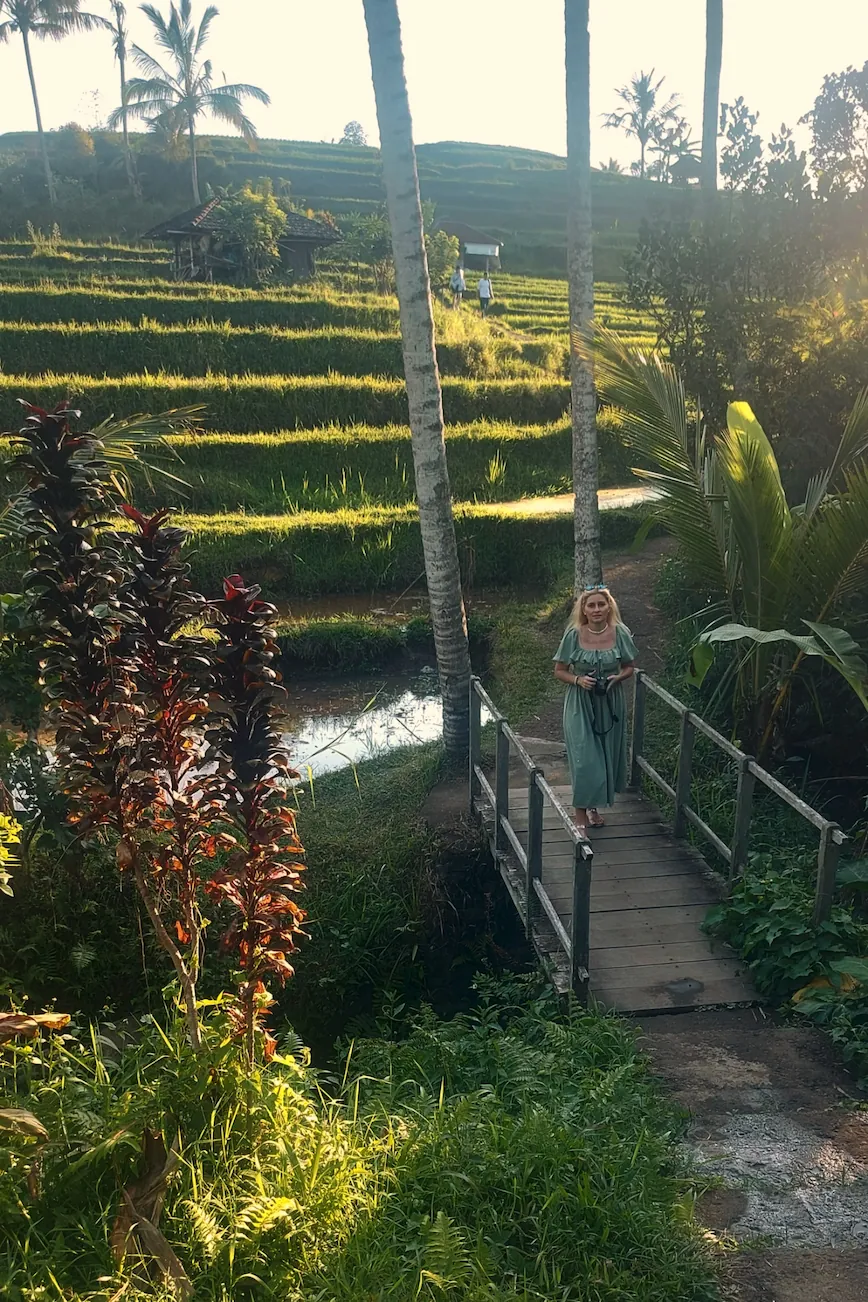
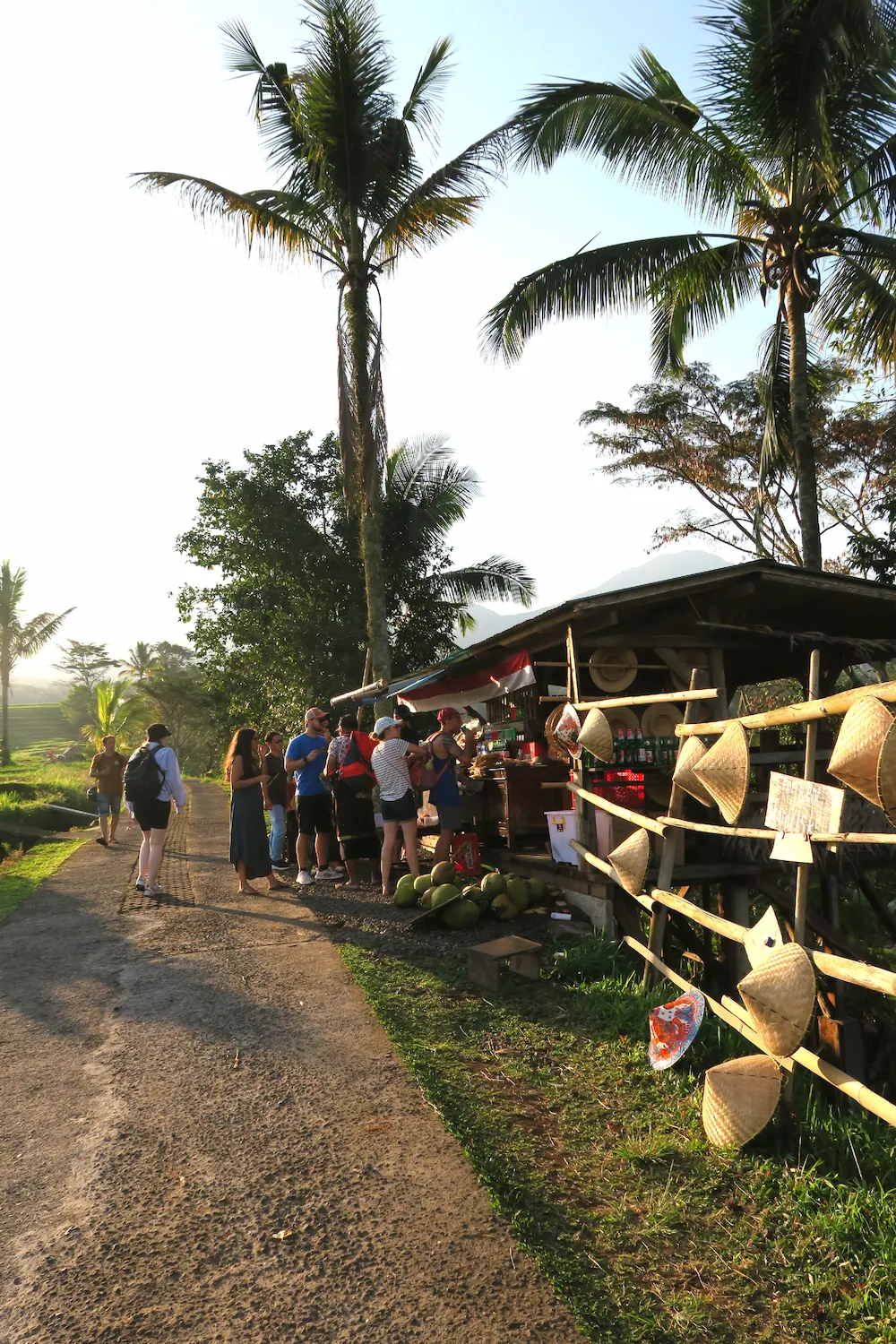
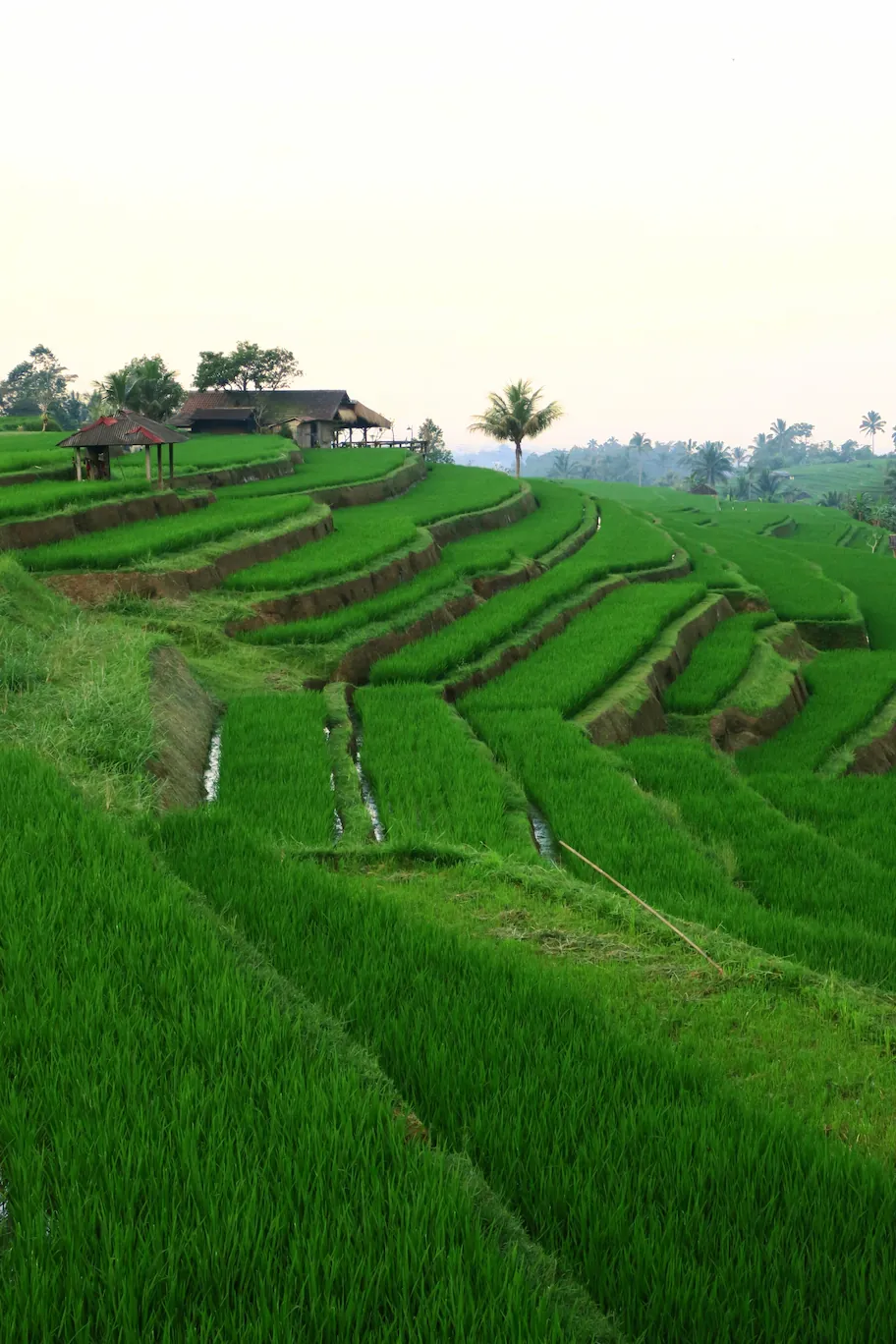
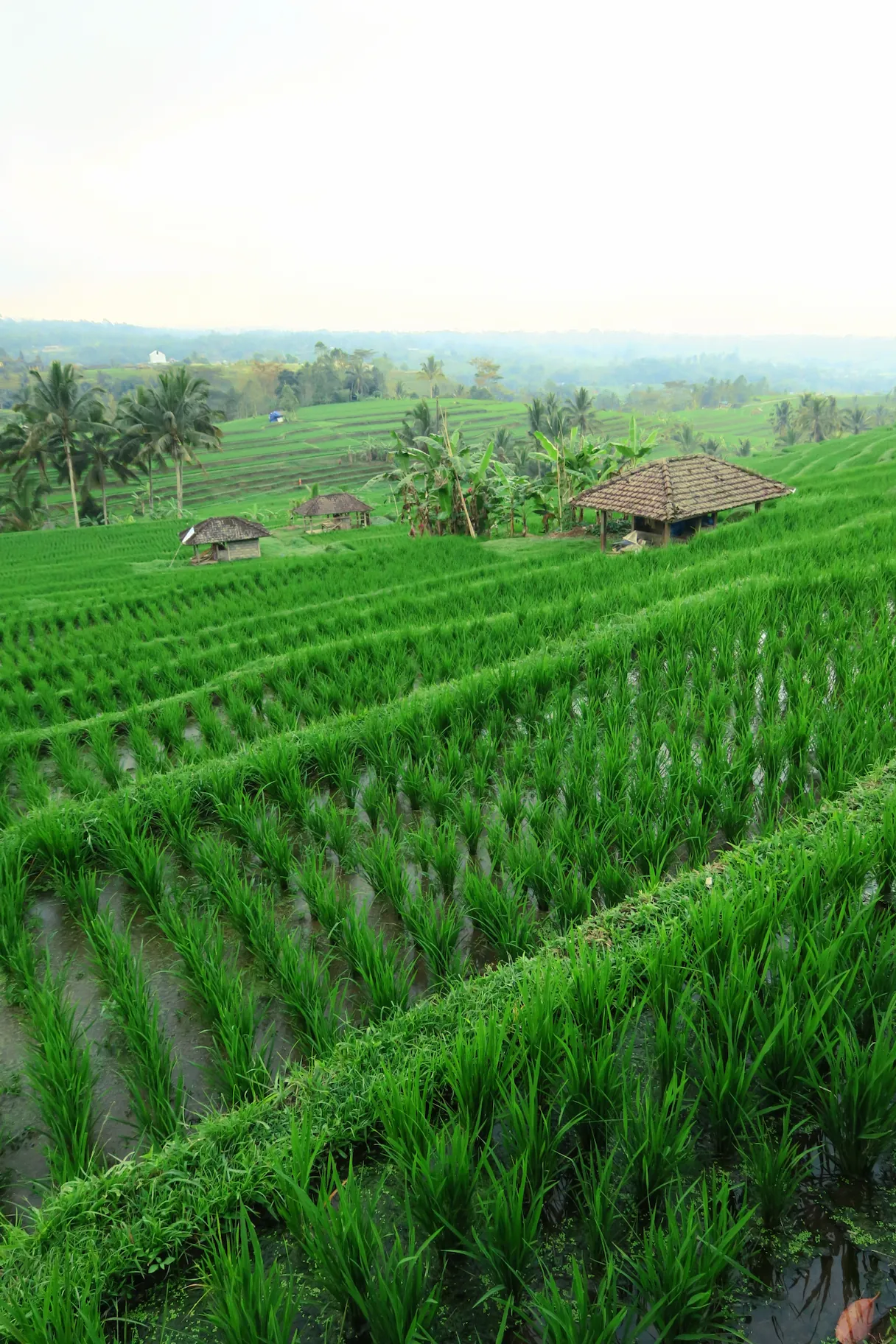
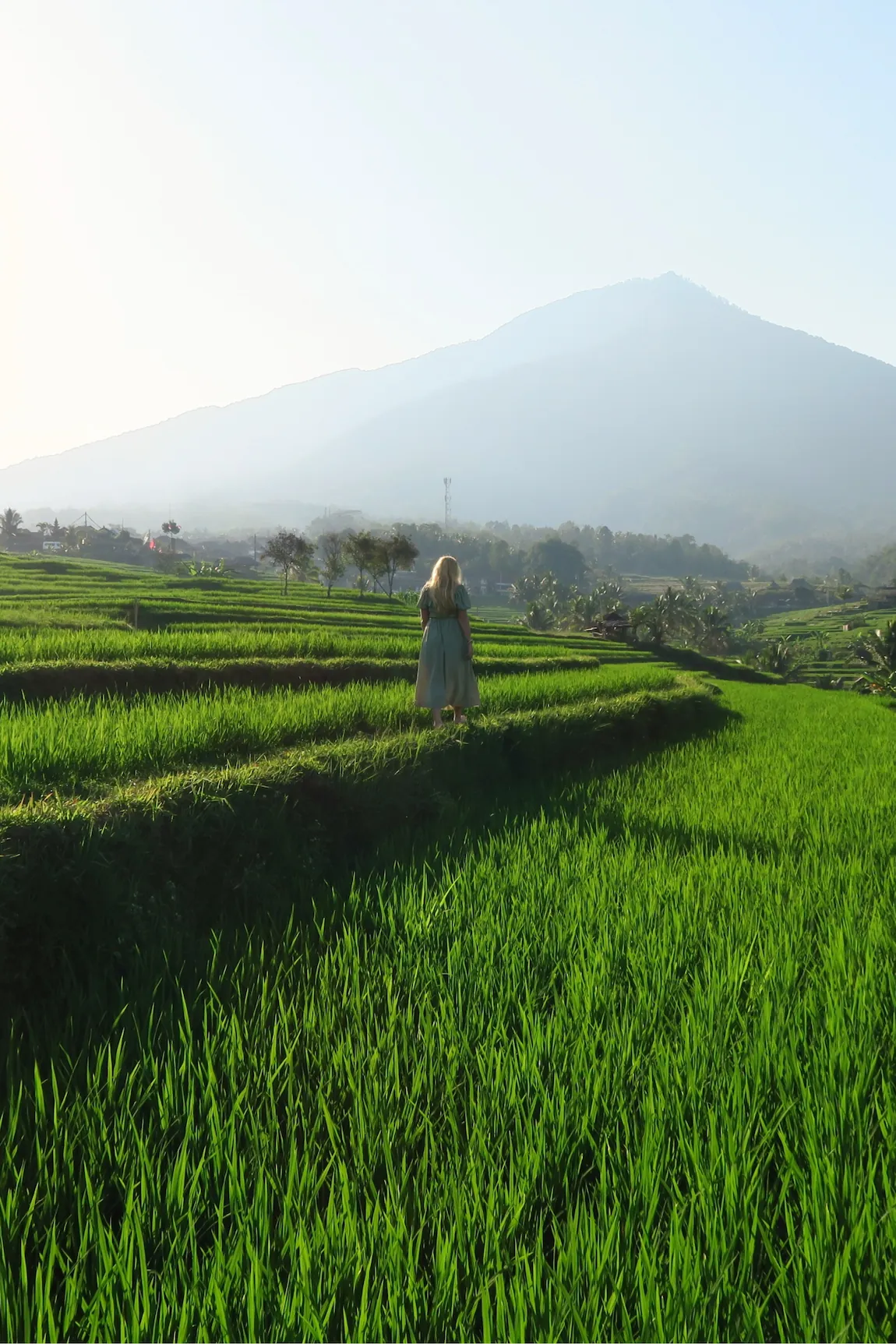
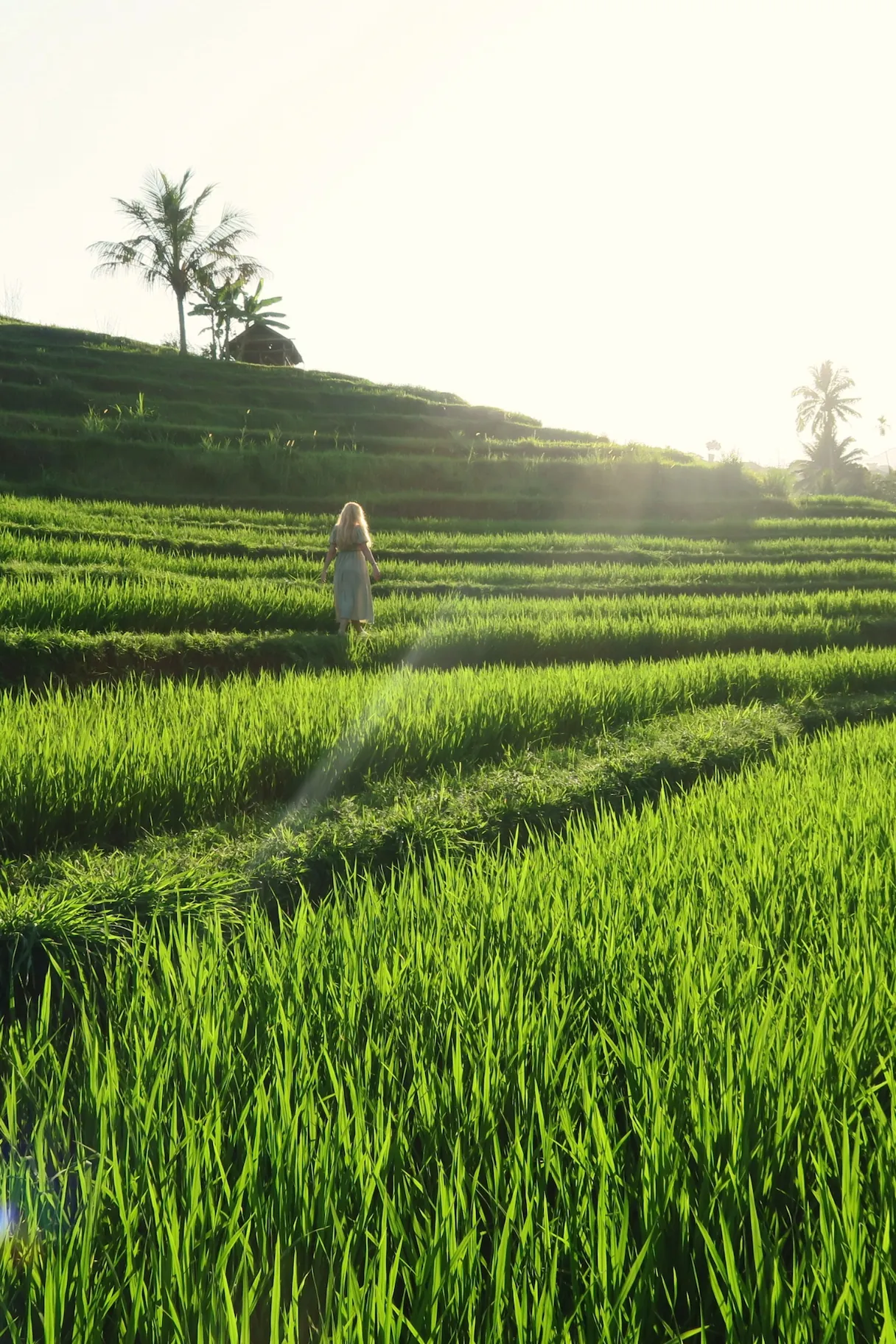
Take a break and enjoy the view
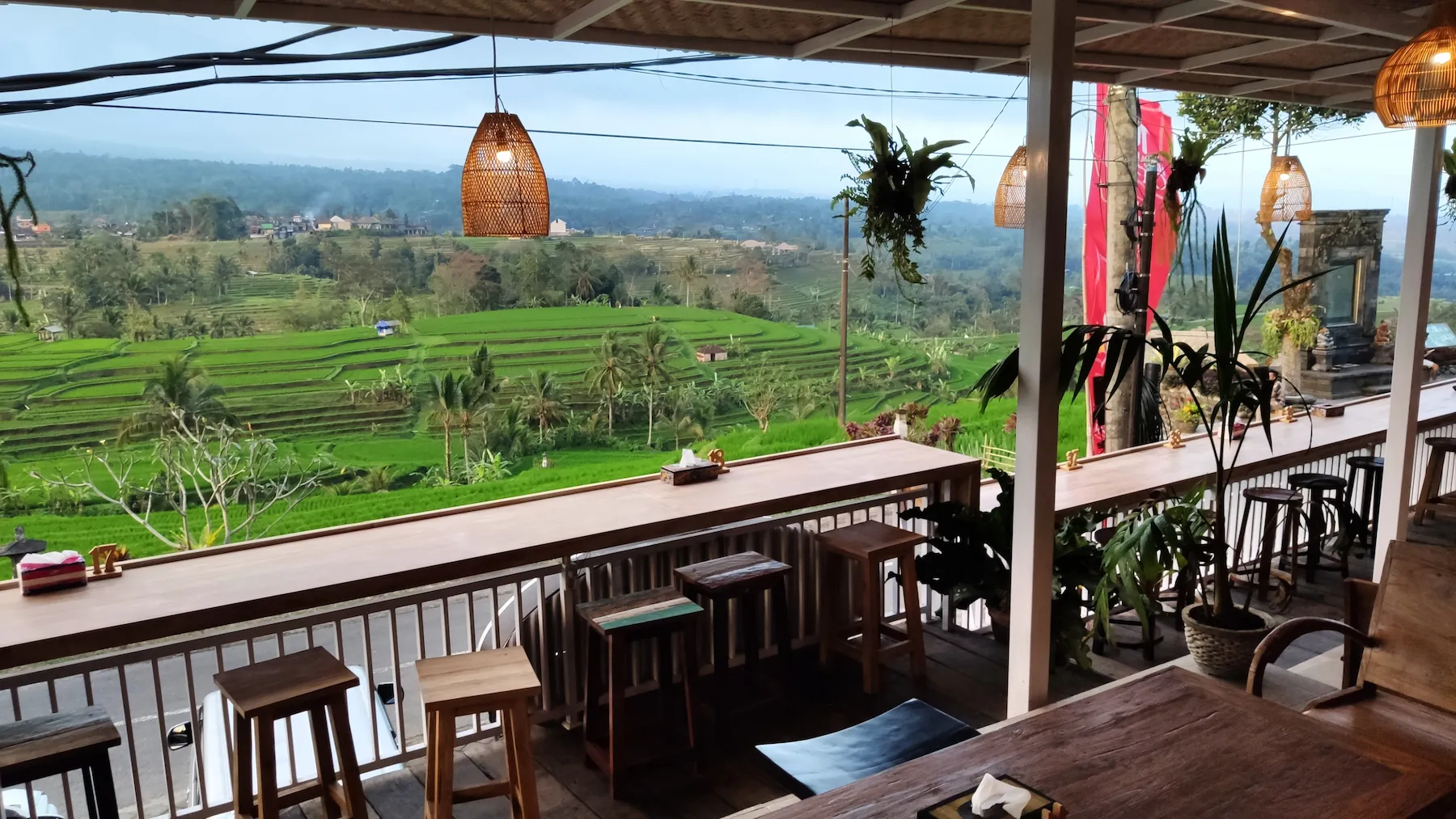
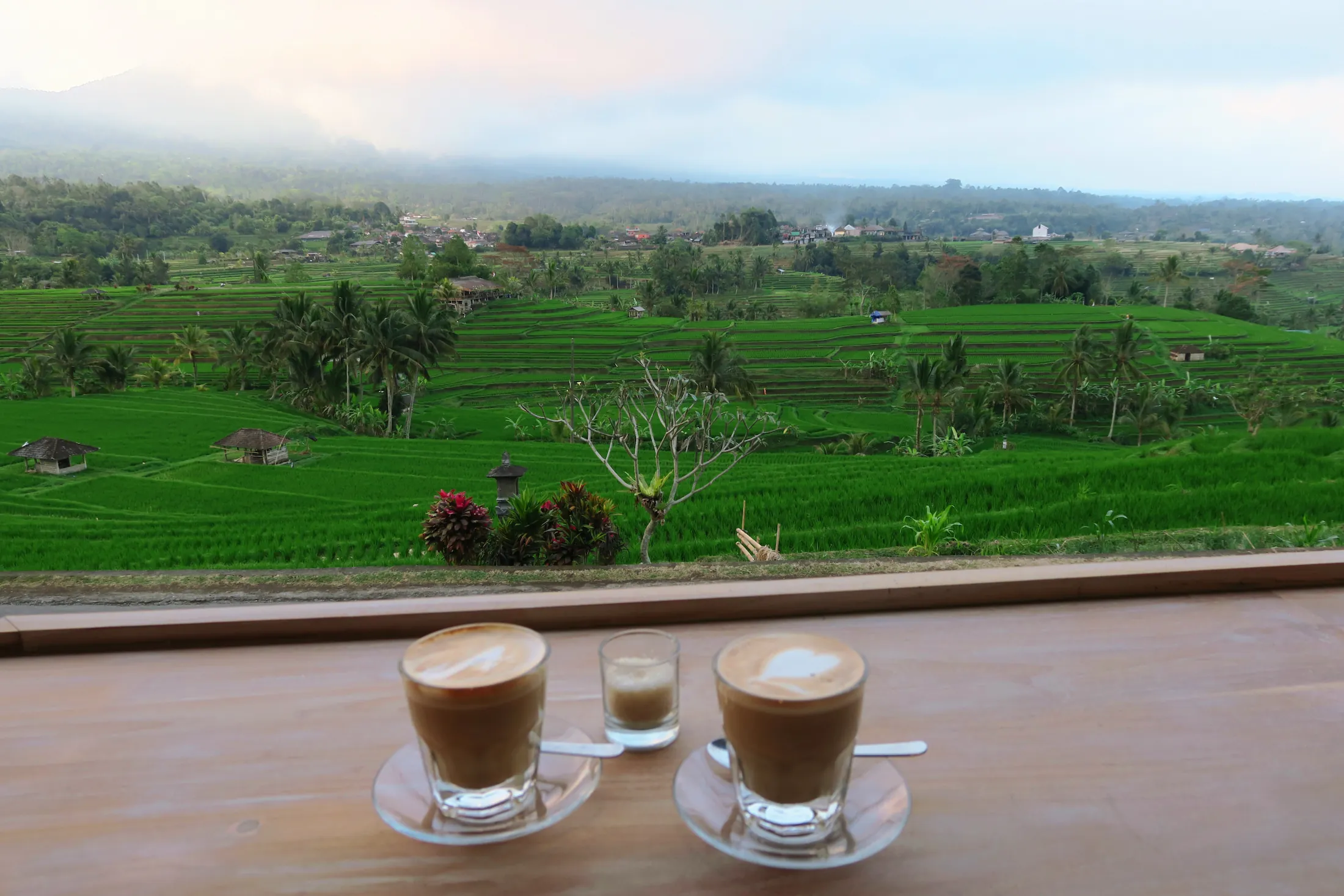
If you want to rest and soak in the landscape, there are a few cafés and restaurants overlooking the rice terraces. We stopped at one and spent a while simply enjoying a coffee and the view, a pause that makes the visit feel even more special. One nice option, and the one we visited, is Jatiluwih Resto, with beautiful views over the rice fields and the surrounding mountains. These restaurants often feature the region’s famous red rice on their menus, grown in these very terraces, and it’s a perfect local dish to try while enjoying the scenery.
Practical Information
How to Get There
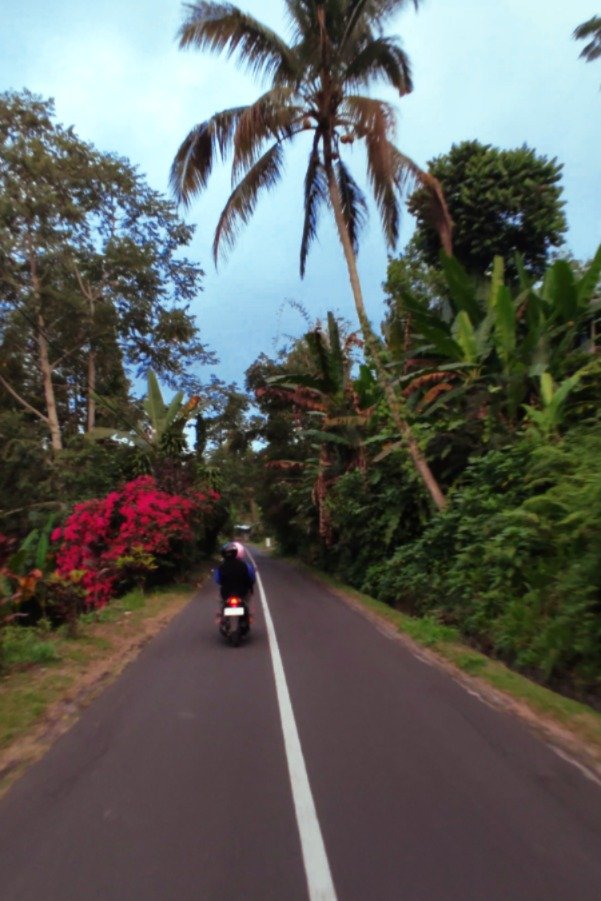
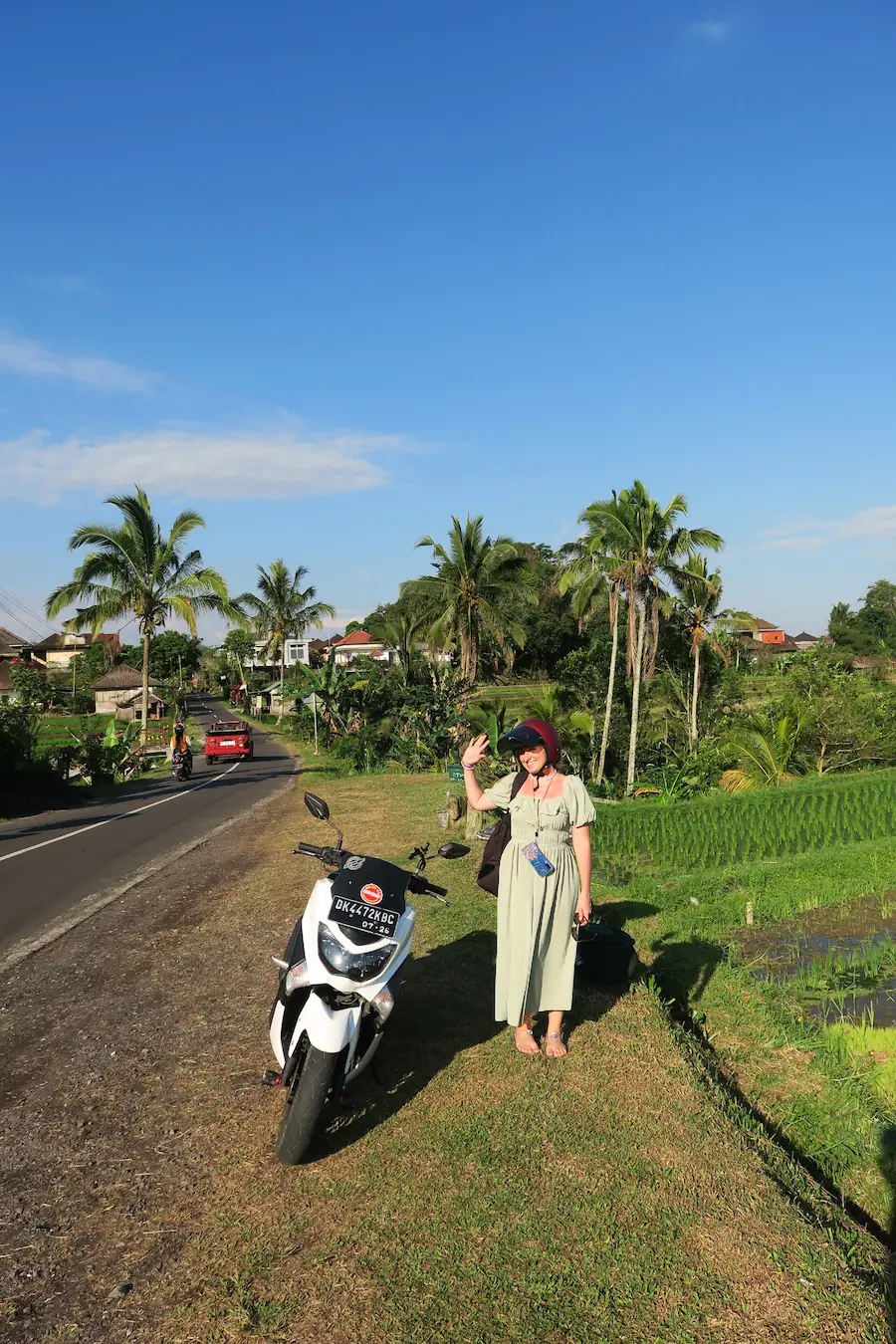
Jatiluwih is located in Tabanan Regency, in central Bali, about 1.5 hours from Ubud or around 2 hours from the southern coast, depending on traffic. Most visitors arrive by car or motorbike. Google Maps will get you to the area without any trouble.
Entrance Fee
There is an official entrance fee to visit Jatiluwih. For foreign visitors, the price is around IDR 75,000 for adults and IDR 50,000 for children. Parking fees are small, typically around IDR 3,000 for motorbikes and IDR 5,000 for cars. If you’re planning to fly a drone, keep in mind that there is an additional fee of around IDR 300,000. It’s best to carry some cash, as card payments are not widely accepted.
Opening Hours
The area is open all day, and you can access the rice terraces at any time. Early morning and late afternoon are the best times to visit, when the light is softer, temperatures are cooler and the trails are less busy. Ticket counters operate during the day, from around 6:00 am to 7:00 pm.
Best Time to Visit
The best time to visit Jatiluwih is during the dry season, from April to October, when the paths are easier to walk and the weather is pleasant. We visited in September, and the terraces were a vibrant green. The color of the rice changes throughout the year, from bright green in the early growth stages to golden just before harvest, so every visit offers something slightly different.
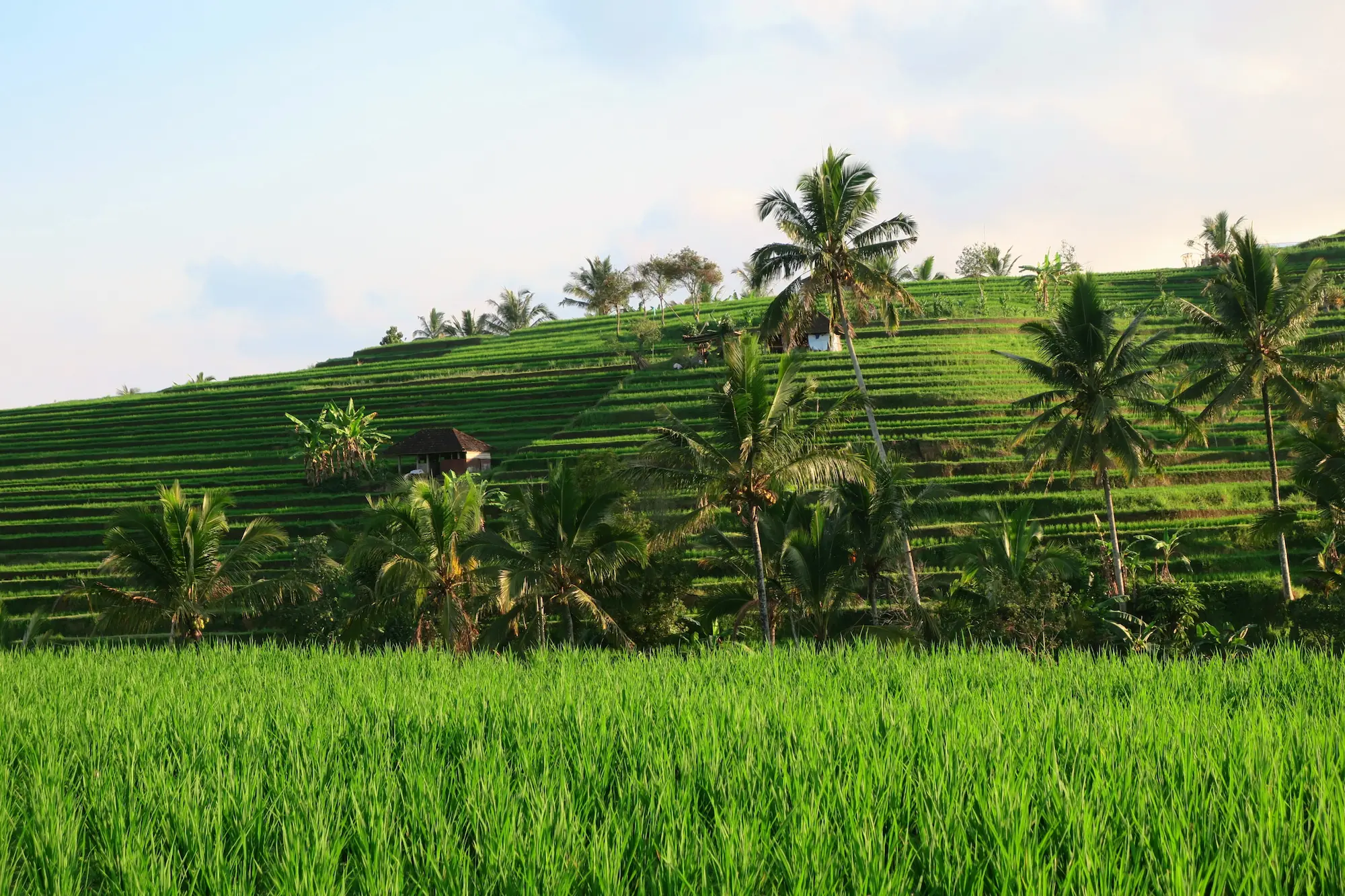
Walking through Jatiluwih is more than just seeing rice terraces, it’s slowing down, breathing the fresh mountain air and letting your eyes wander over the endless shades of green. Whether you take a short walk, spend hours following the trails or pause at a café to enjoy a coffee and the view, Jatiluwih invites you to experience Bali at a calmer pace, far from the crowds.
With love,
Nuria

 EN
EN  ES
ES