
Tegallalang vs Jatiluwih: Which Bali Rice Terraces Should You Visit?
Two iconic rice terraces, two completely different atmospheres
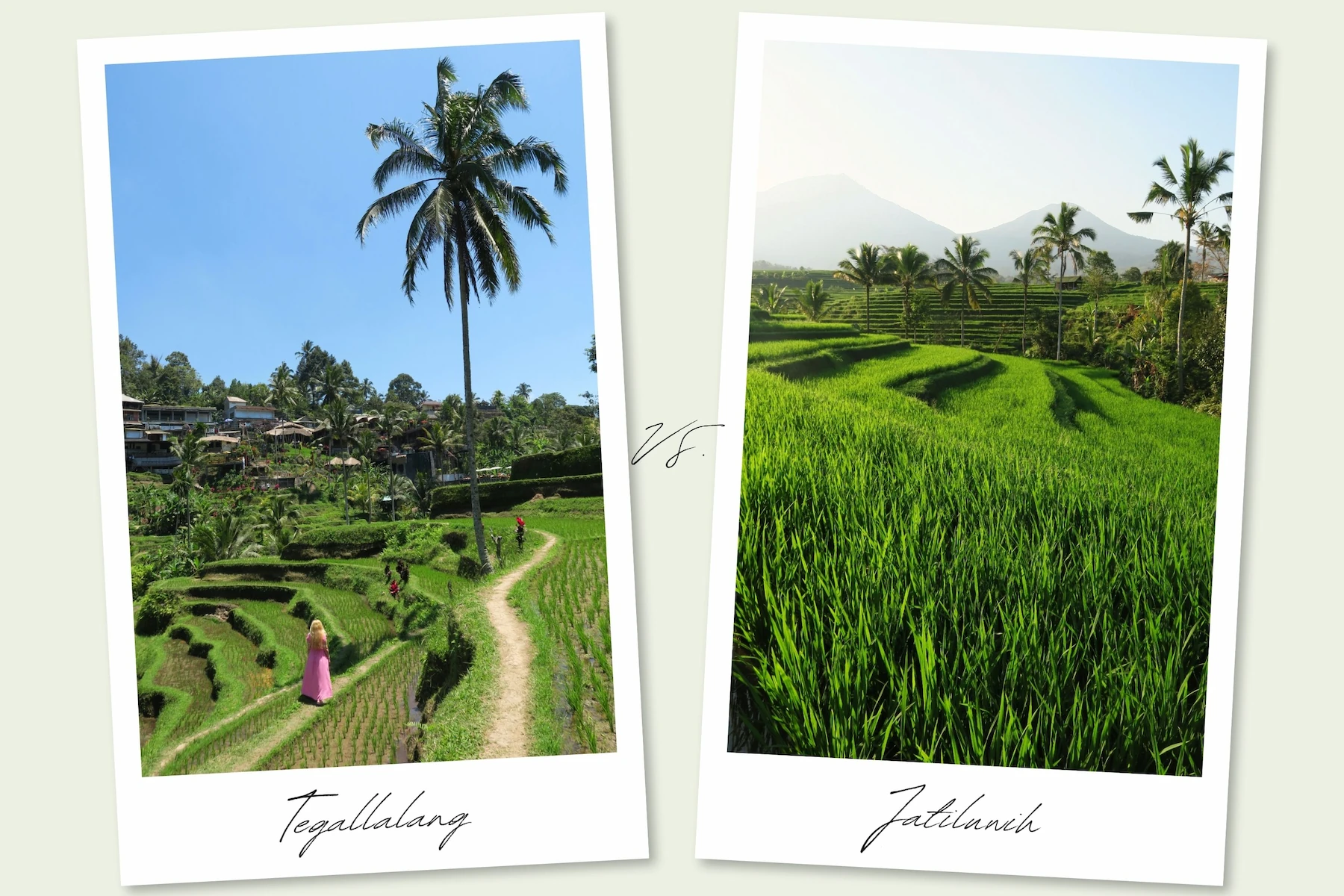
Rice terraces are one of Bali’s most iconic landscapes, the image many travellers have in mind when they think of the island: layers of green carved into hillsides and shaped by centuries of agricultural tradition.
Among all the rice fields in Bali, two names are mentioned more than any others: Tegallalang and Jatiluwih. Both are shaped by the traditional Subak irrigation system, a centuries-old method of water management that reflects Bali’s deep connection between agriculture, community and spirituality.
Jatiluwih, in particular, forms part of the UNESCO World Heritage cultural landscape that recognises this unique system and the way it has shaped the island’s countryside for generations. Yet despite sharing the same agricultural roots, the experience of visiting each place feels very different.
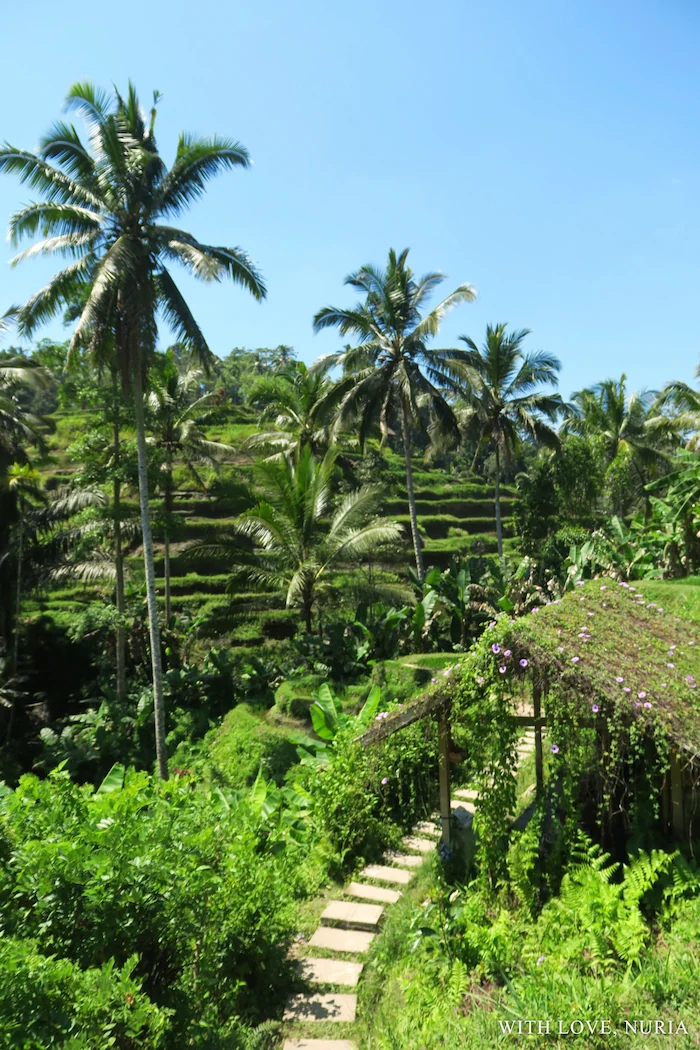
Tegallalang lies just north of Ubud, where steep terraces cascade down a narrow valley. It is compact, easily accessible and often lively, with cafés and photo spots lining the edges of the fields. Jatiluwih sits further inland, on the slopes of Mount Batukaru, where the landscape opens into wide expanses of green that stretch for hundreds of hectares. It requires more time to reach, but rewards you with space, quiet and a slower pace.
If you are planning your trip to Bali and wondering which rice terraces to visit, the choice is not simply about which one is better. It is about what kind of atmosphere you are looking for, how much time you have and how you want to experience one of Bali’s most emblematic landscapes.
Exploring the Rice Terraces
The contrast becomes clear as soon as you arrive, as the atmosphere in each place feels noticeably different.
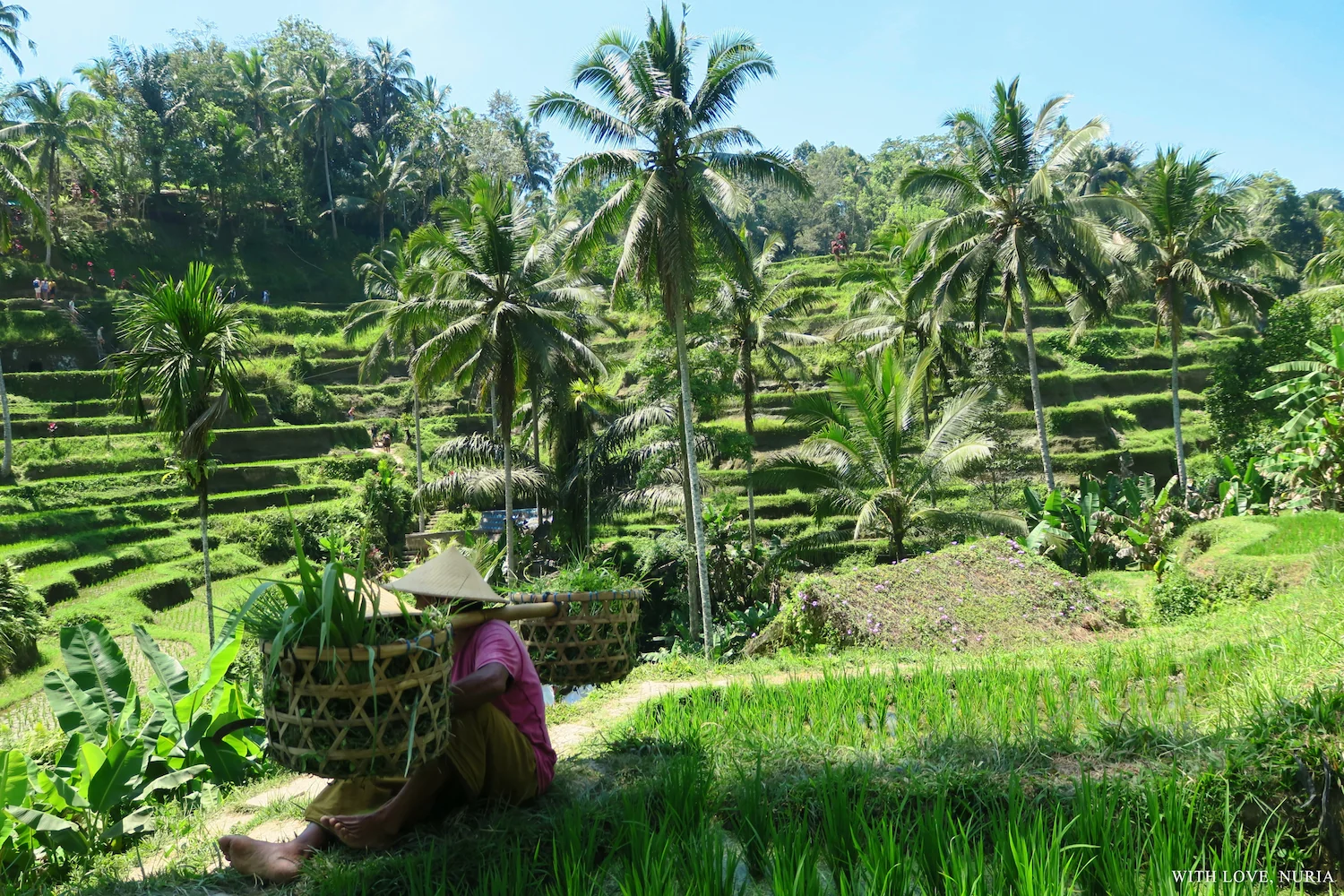
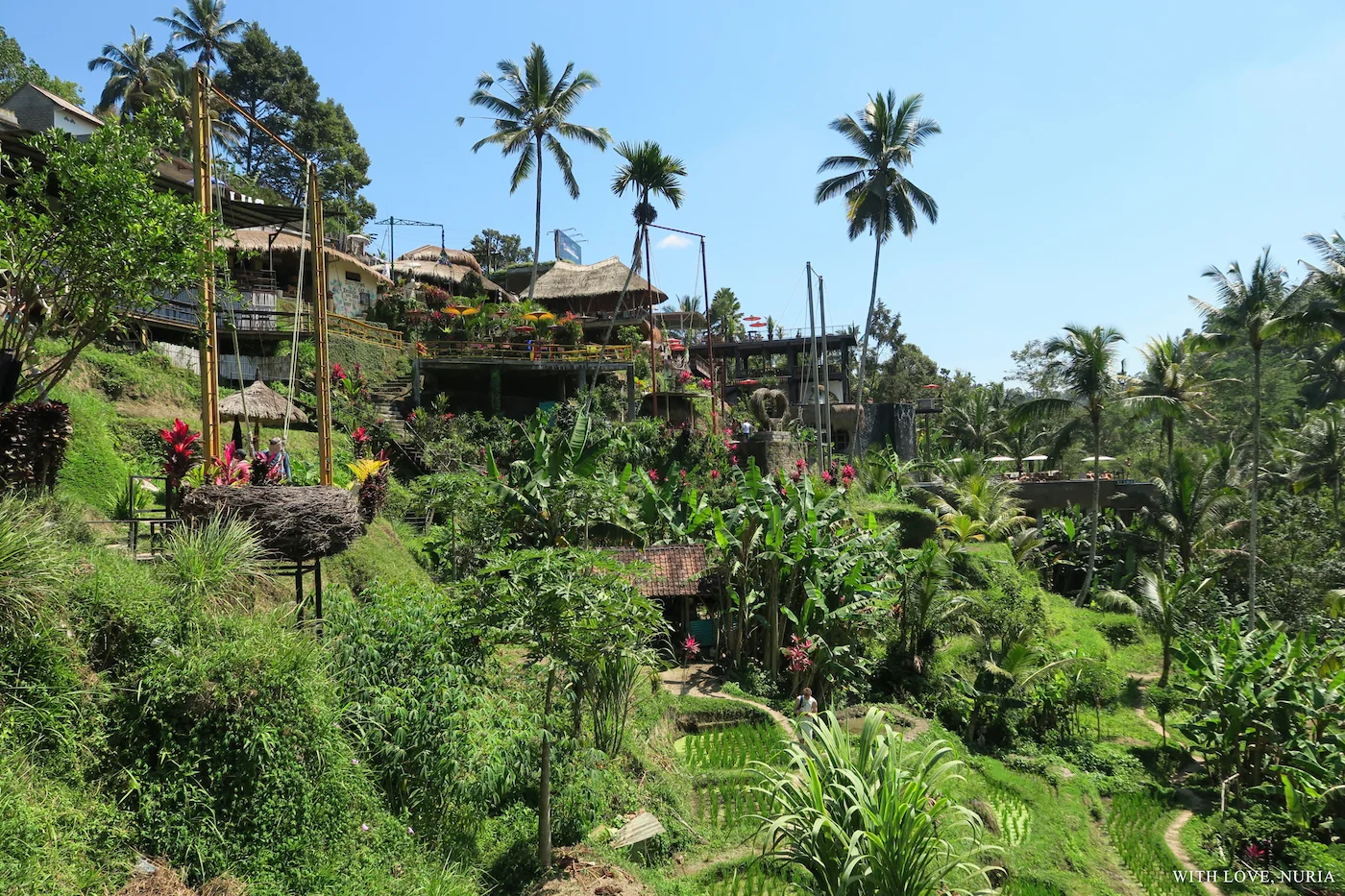
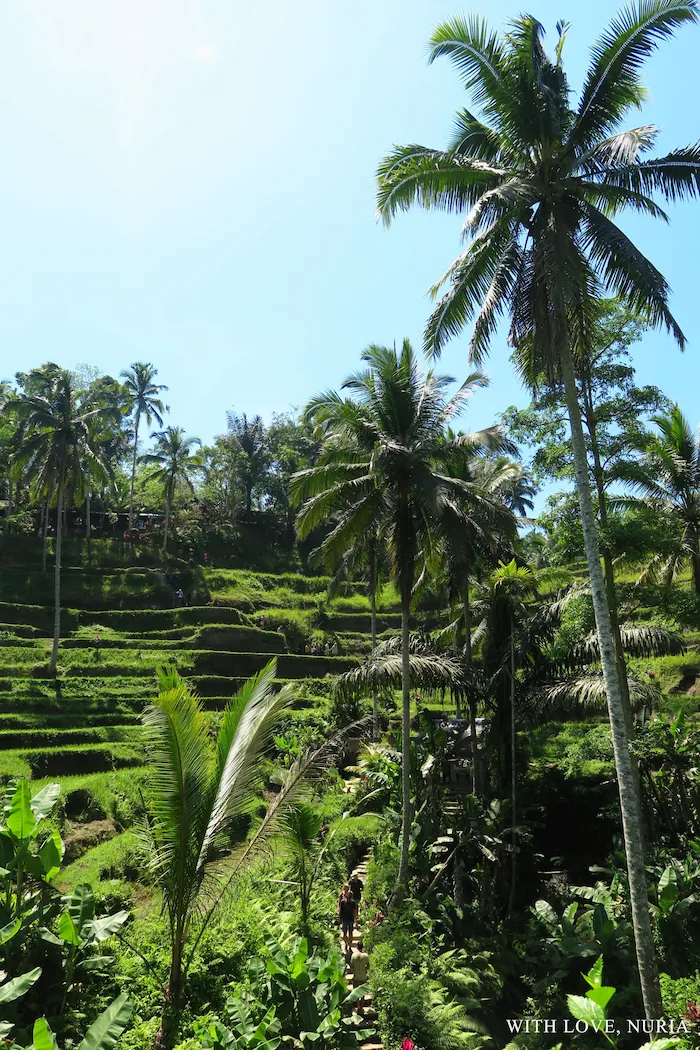
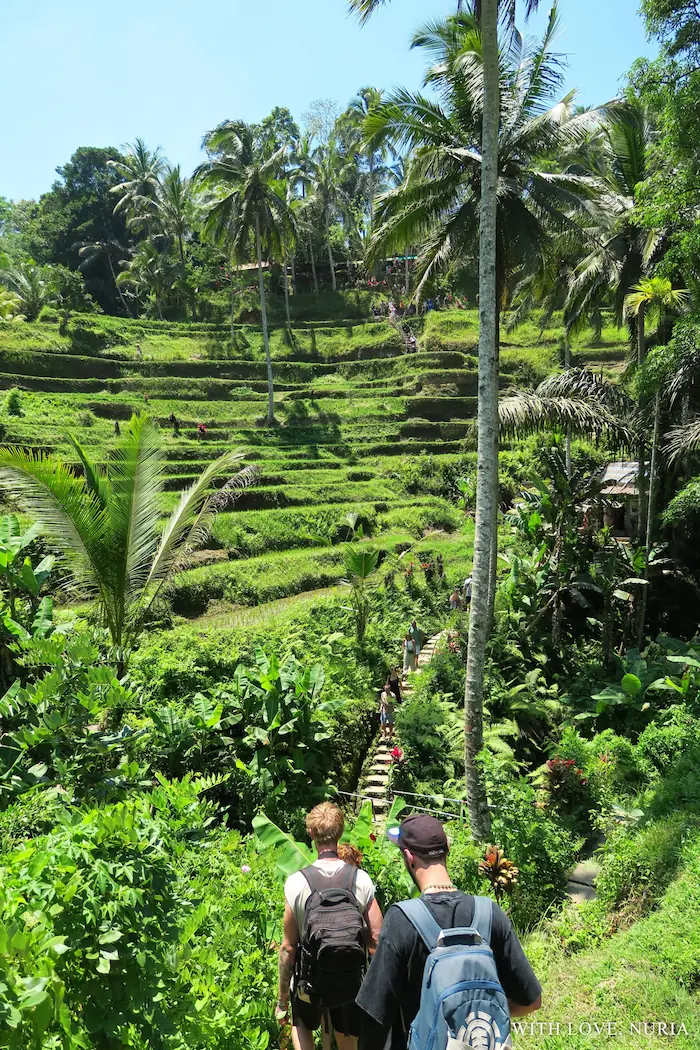
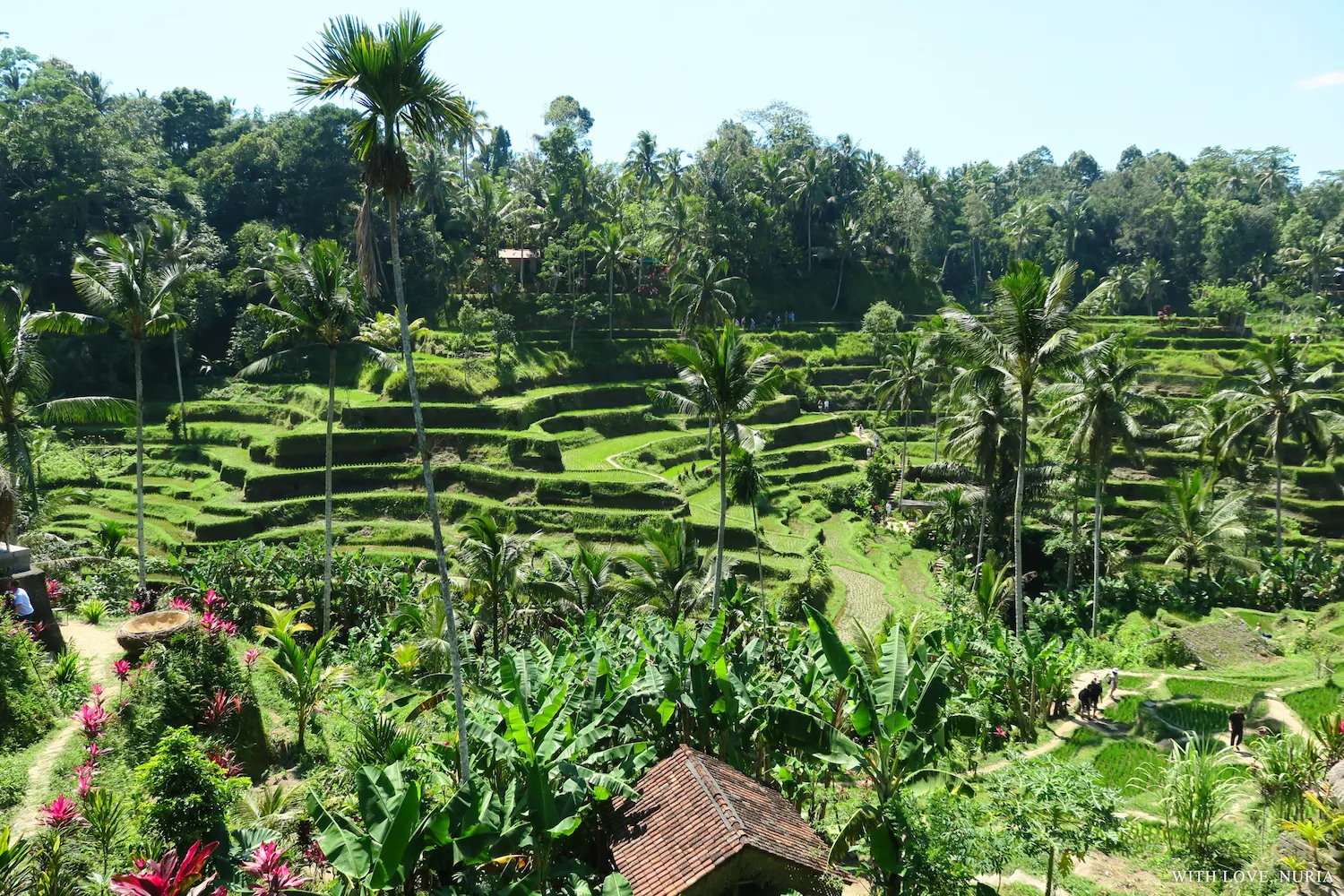
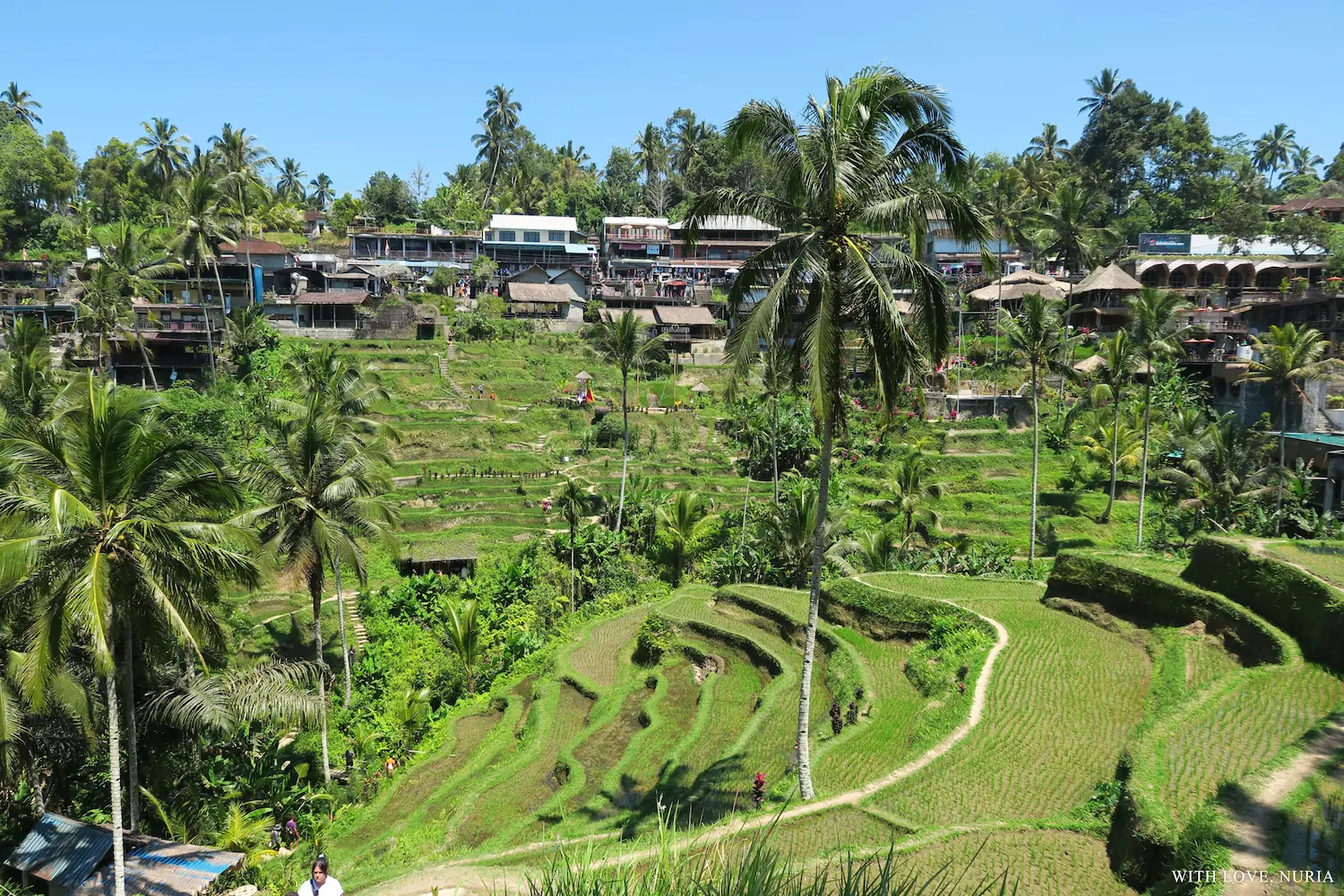
In Tegallalang, the terraces are concentrated within a relatively small area. The valley feels compact, with a steady flow of visitors along the narrow and sometimes steep paths that wind through the rice fields, which means that it rarely feels truly quiet or peaceful. There are many cafés along the main road overlooking the rice fields, and open views over the terraces are easy to find. It is lively and easy to explore, and the walk itself is relatively short. Because everything is close together, the area can be explored in a short visit and combined with other stops nearby.
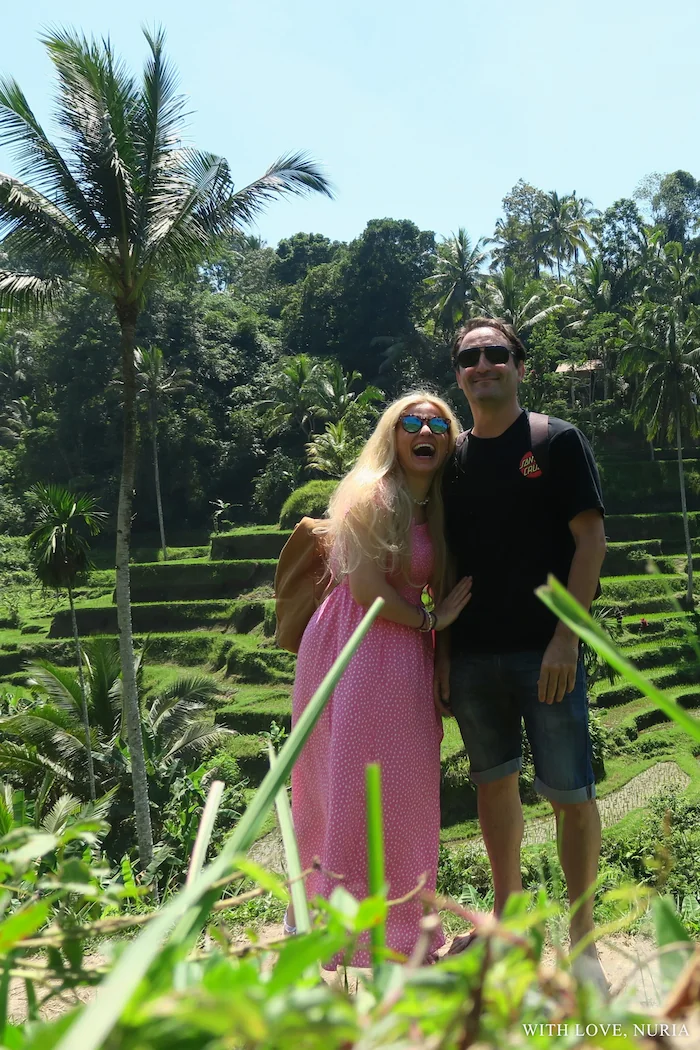
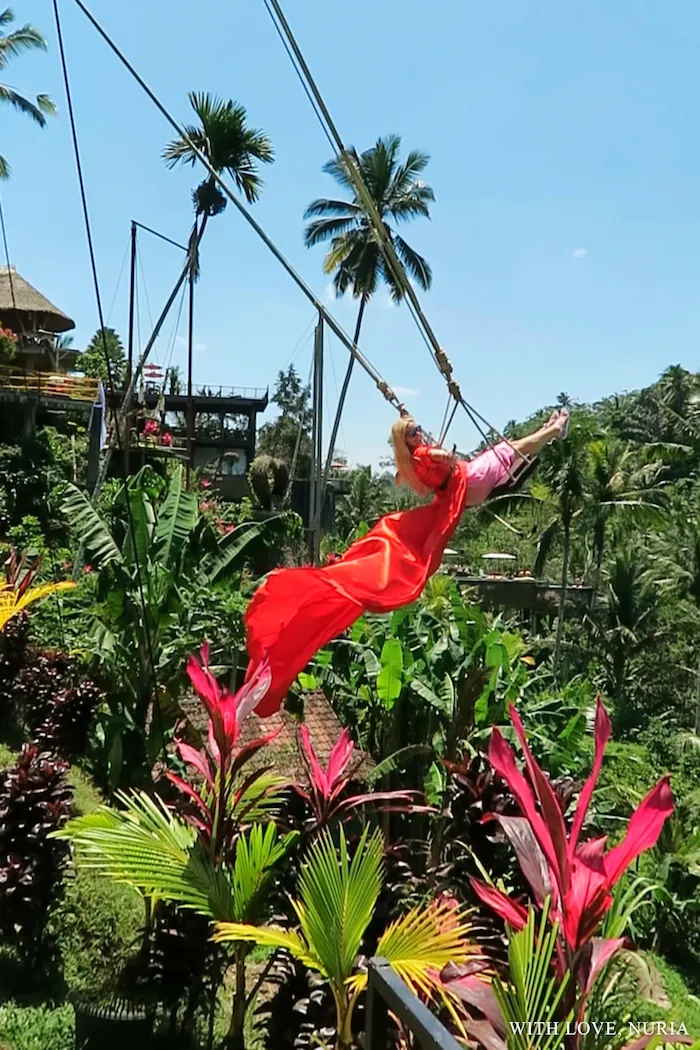
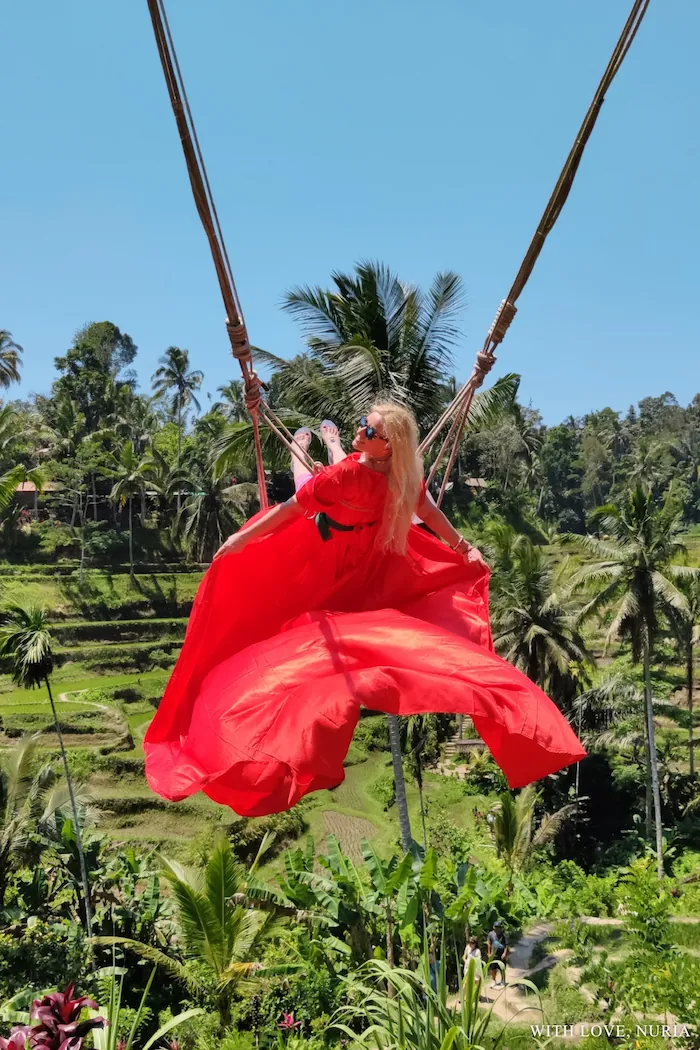
The terraces themselves are visually striking, but the steady flow of visitors means it can sometimes be harder to capture a photo without people in the frame. Here, the atmosphere and energy of the valley naturally become part of the scene. You will also find swings overlooking the terraces, popular with visitors looking to capture that well-known Instagram shot in Bali. If that is the image you have in mind and you would like to recreate it as a memory of your trip, Tegallalang is the place to do it.
If you take the time to wander along the paths and pause at different angles, you will start to notice the small moments that make Tegallalang unique, even among the lively flow of visitors.
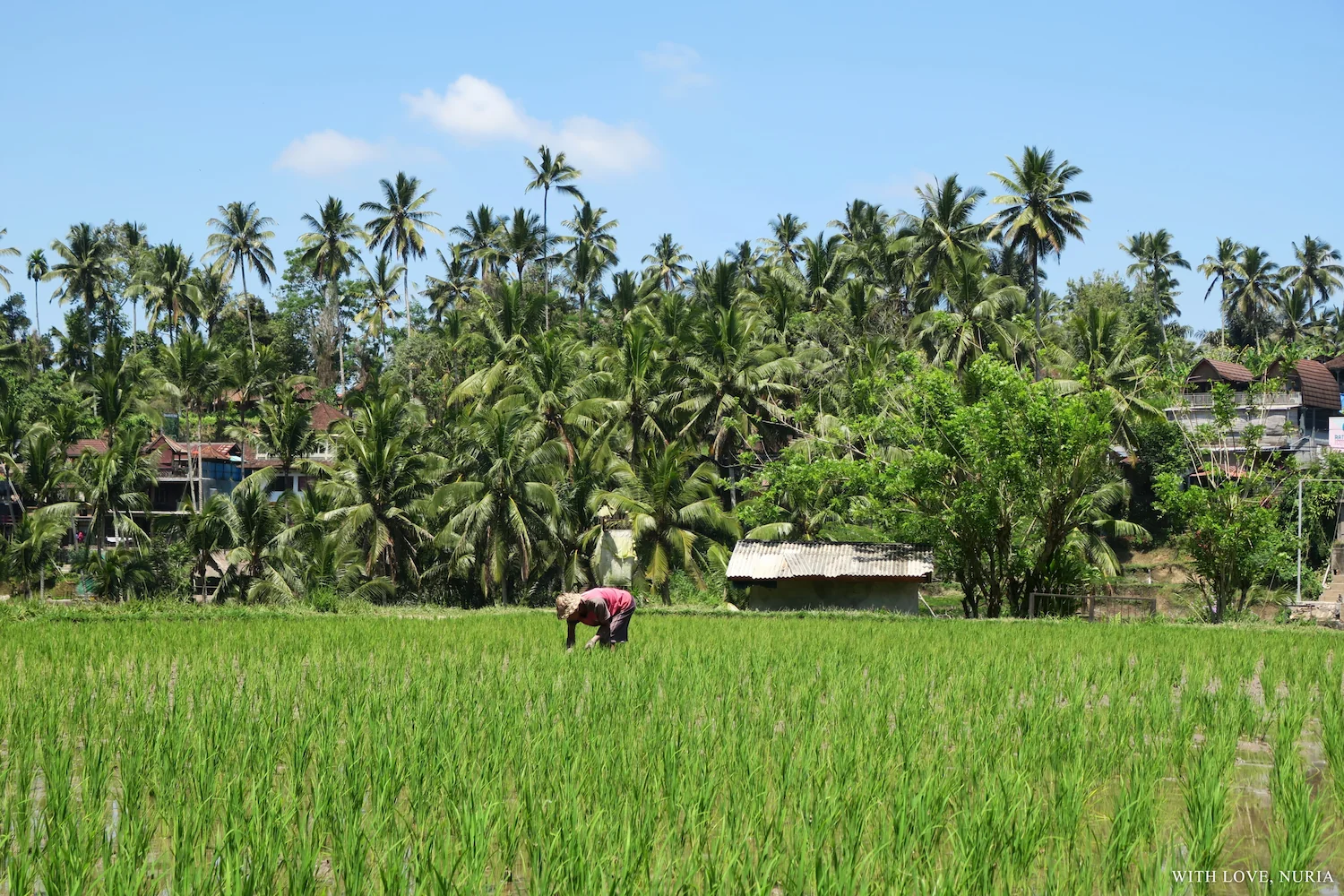
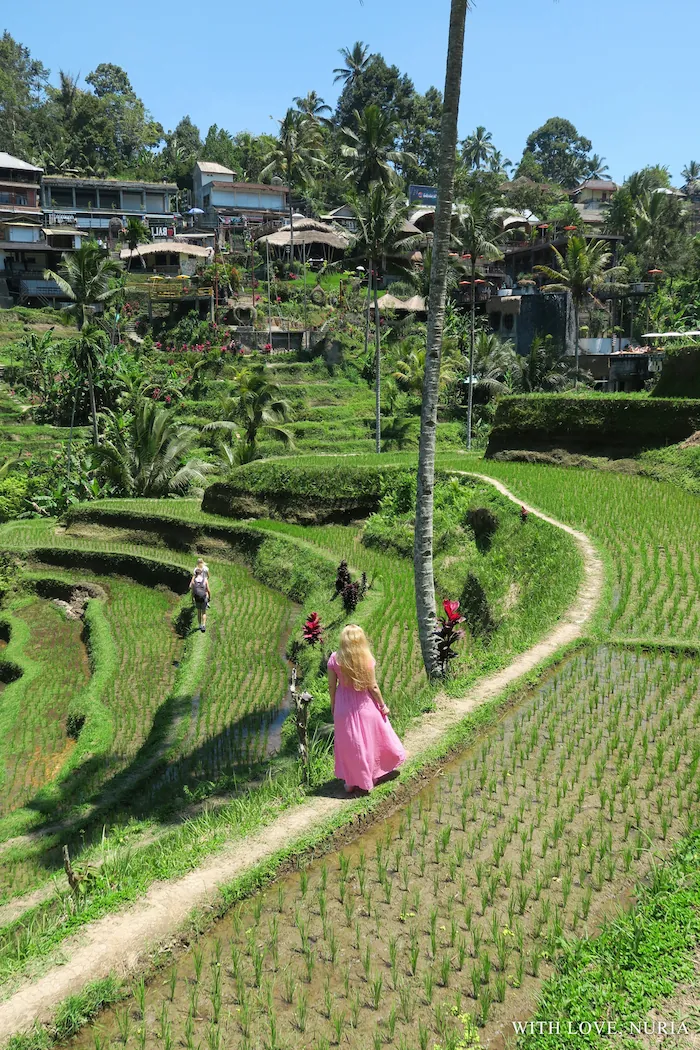
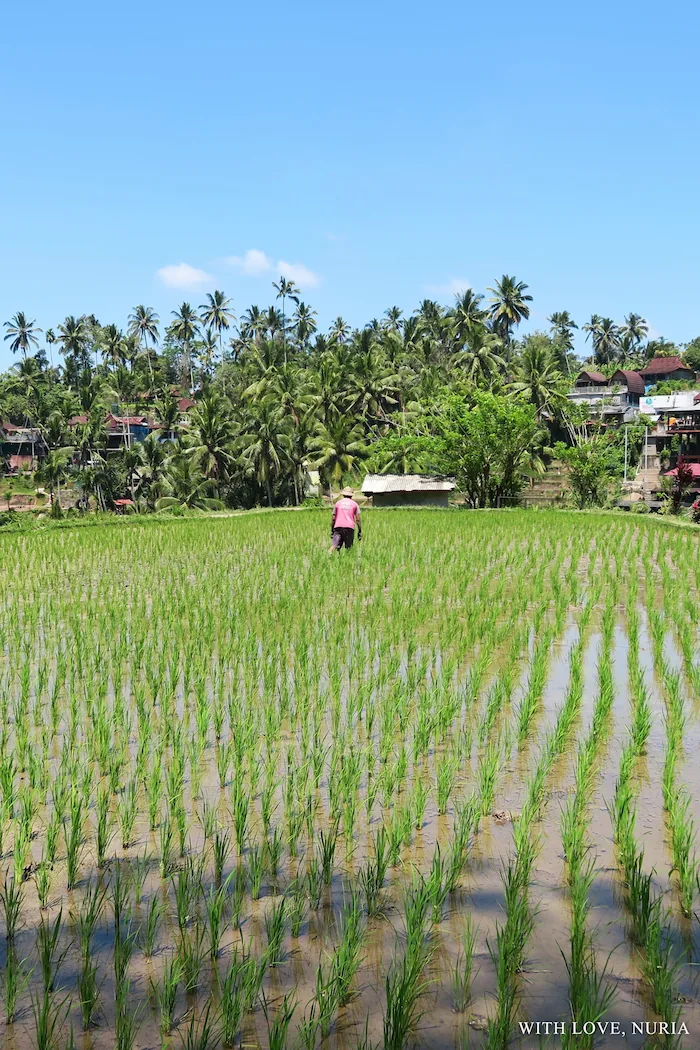
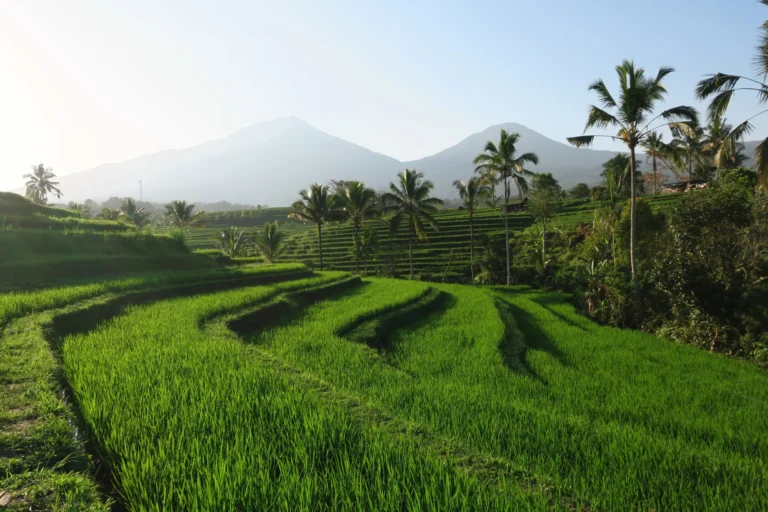
Jatiluwih feels more open from the beginning. The landscape stretches in every direction across hundreds of hectares. Marked walking trails cross the fields, and the terrain is generally flatter, inviting you to spend time exploring them at your own pace. The scale of the area means you can do a quick visit if you’re short on time, or take your time and walk for hours.
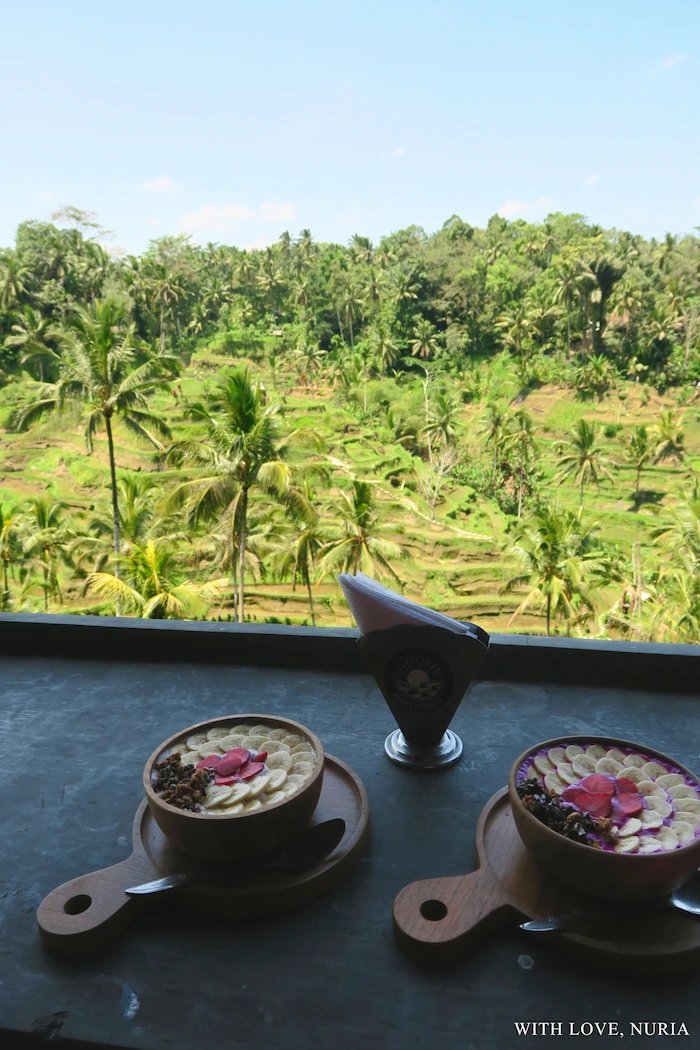
There are also cafés overlooking the terraces, but they are scattered and feel more integrated into the wider landscape rather than concentrated in a single area. With more space between visitors, the overall experience tends to feel calmer, more relaxed and less crowded.
The wide terraces create layers of green that seem to go on forever. Walking along the trails, you can capture views that show the scale of the landscape, the patterns of the rice paddies and sometimes the quiet rhythm of farmers working in the fields. The early morning light or the golden glow of late afternoon adds depth and warmth to the scenery, enhancing the sense of calm and space that defines this area. Even without any photography skills, it’s hard not to come away with a few lovely shots from here.
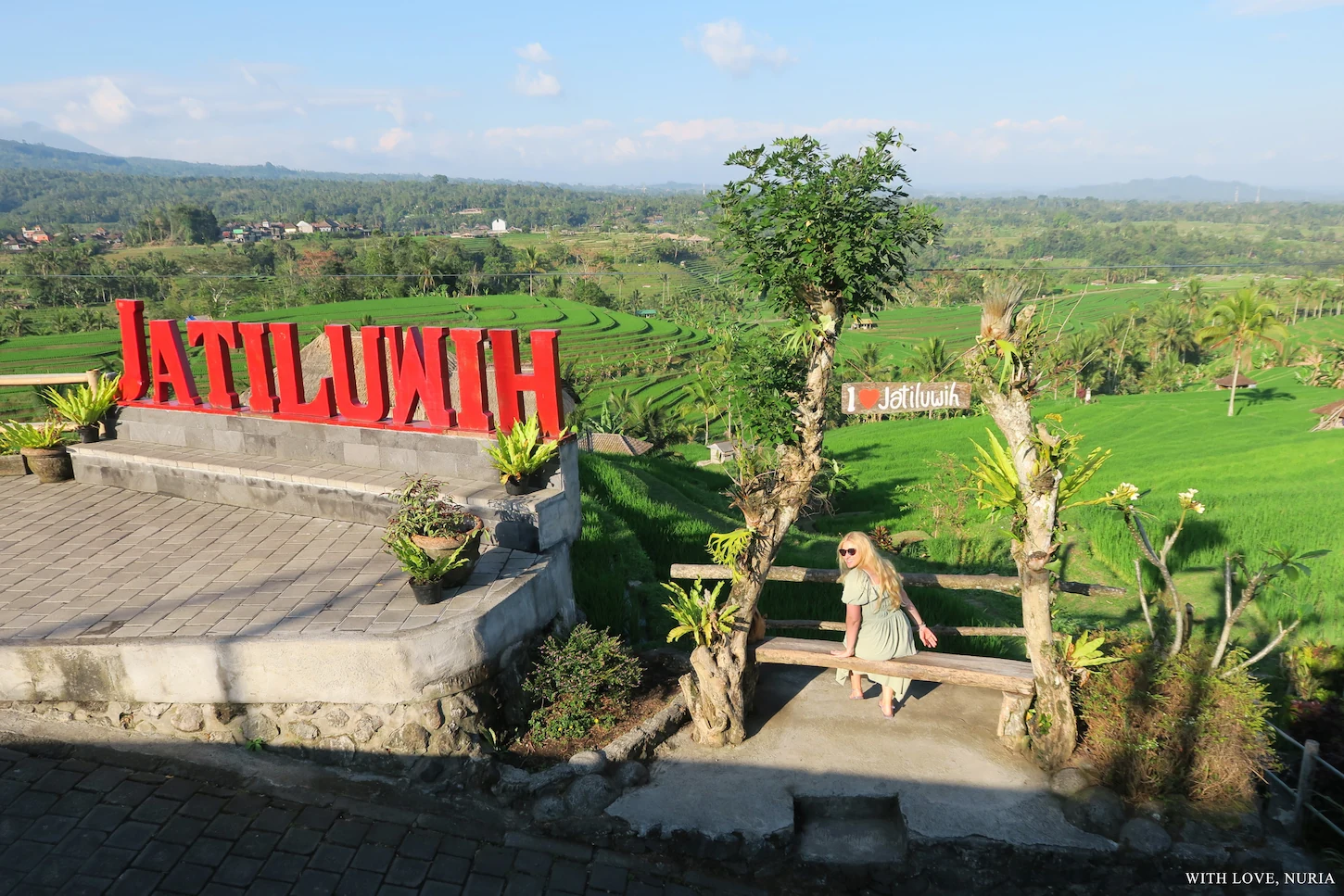
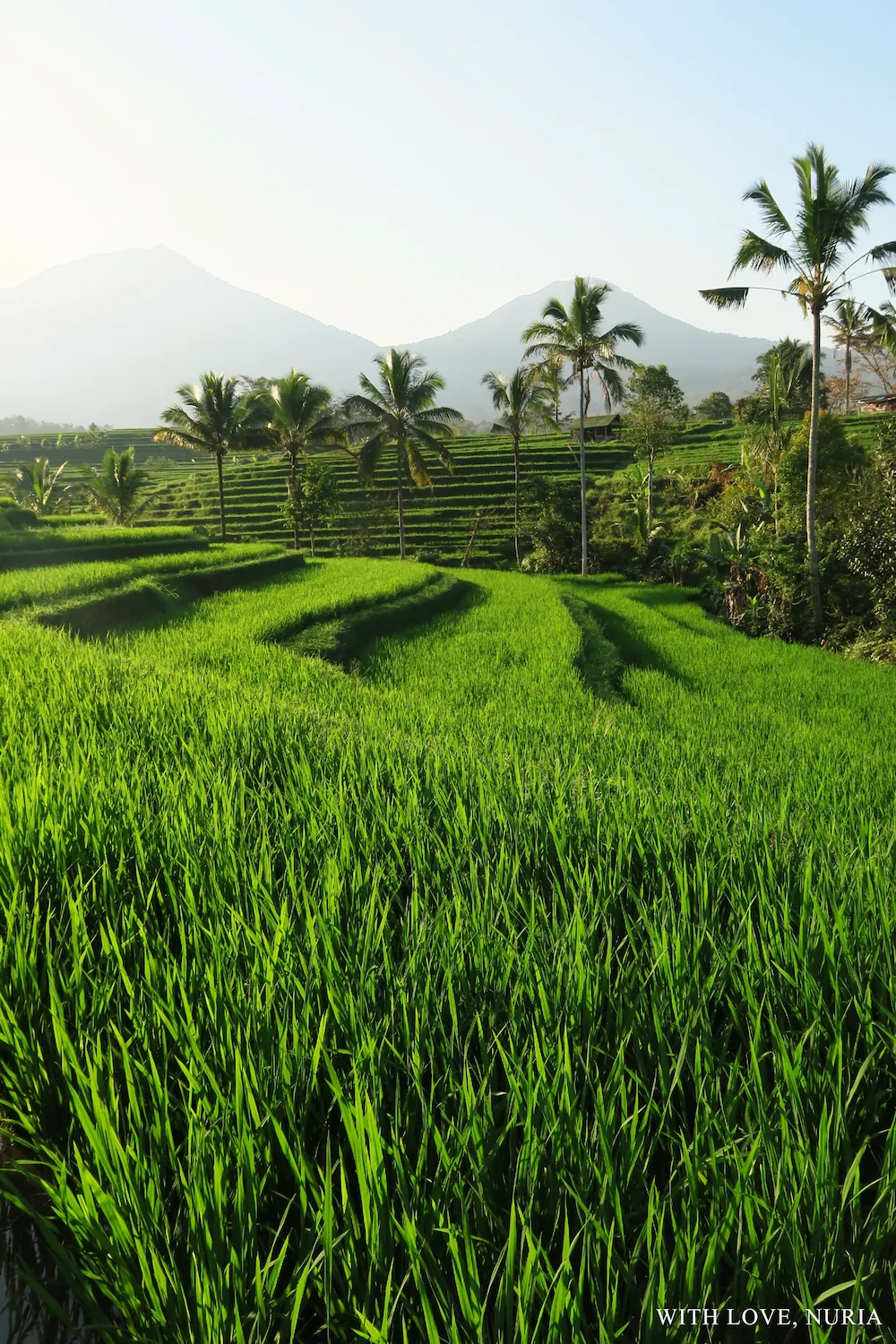
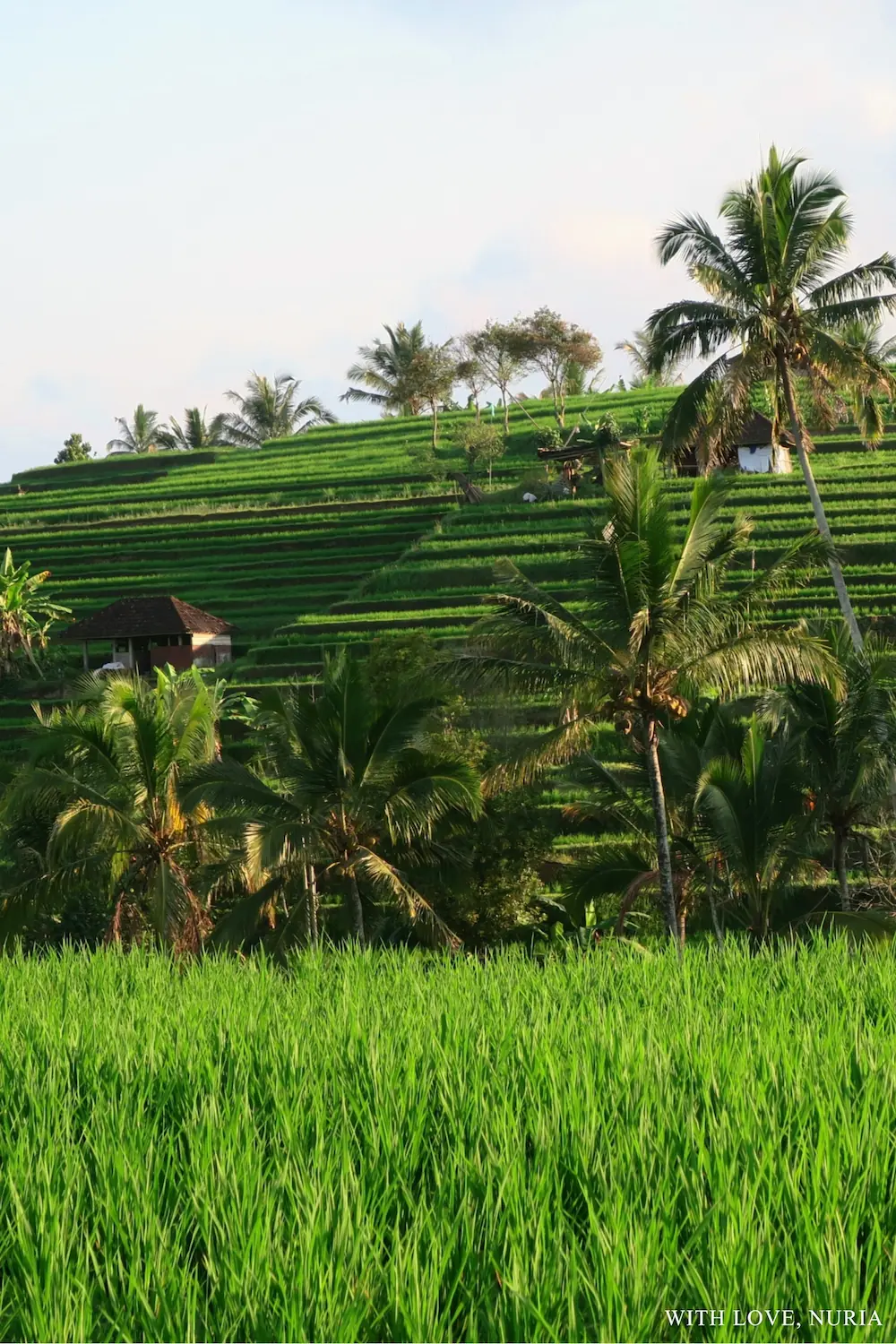
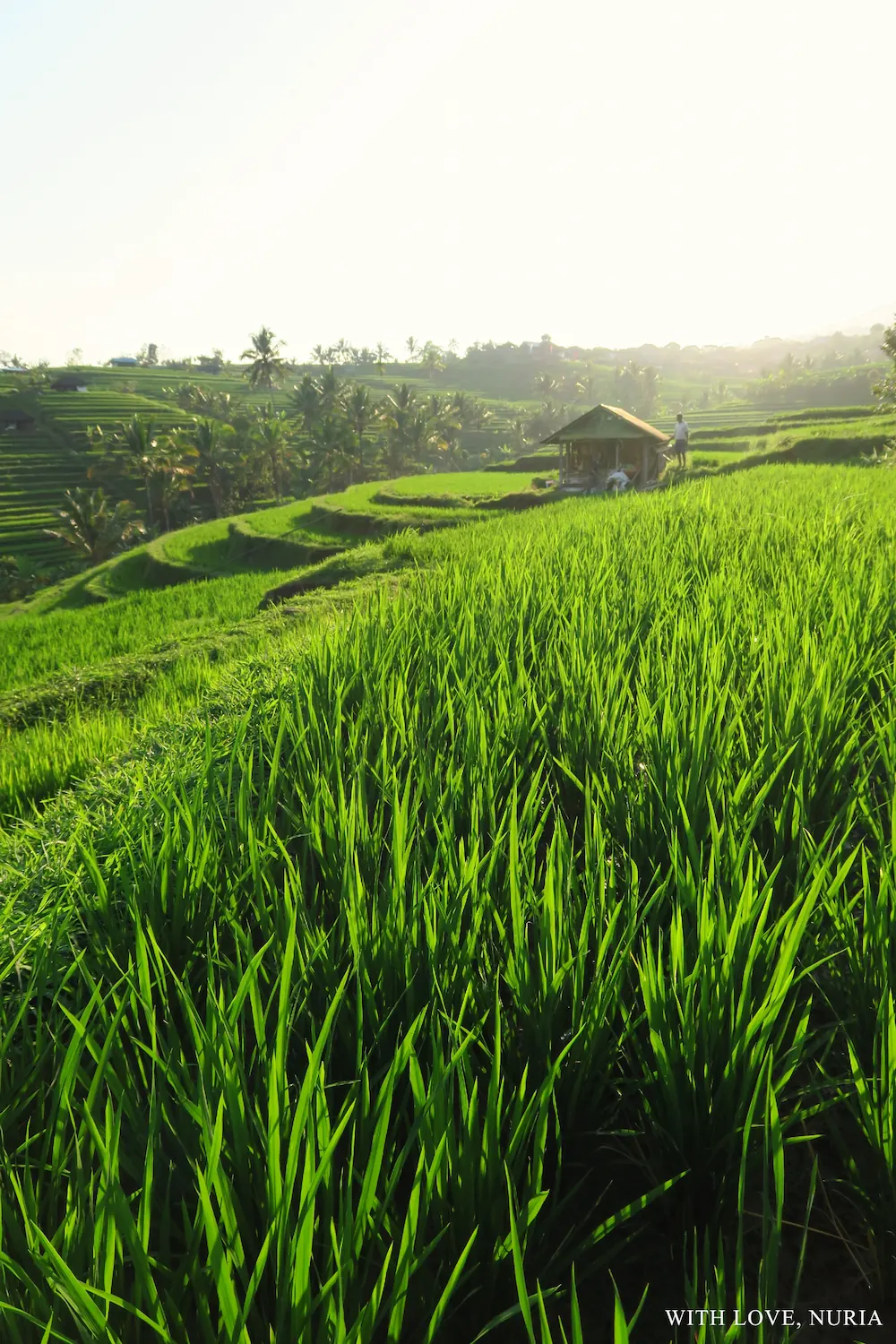
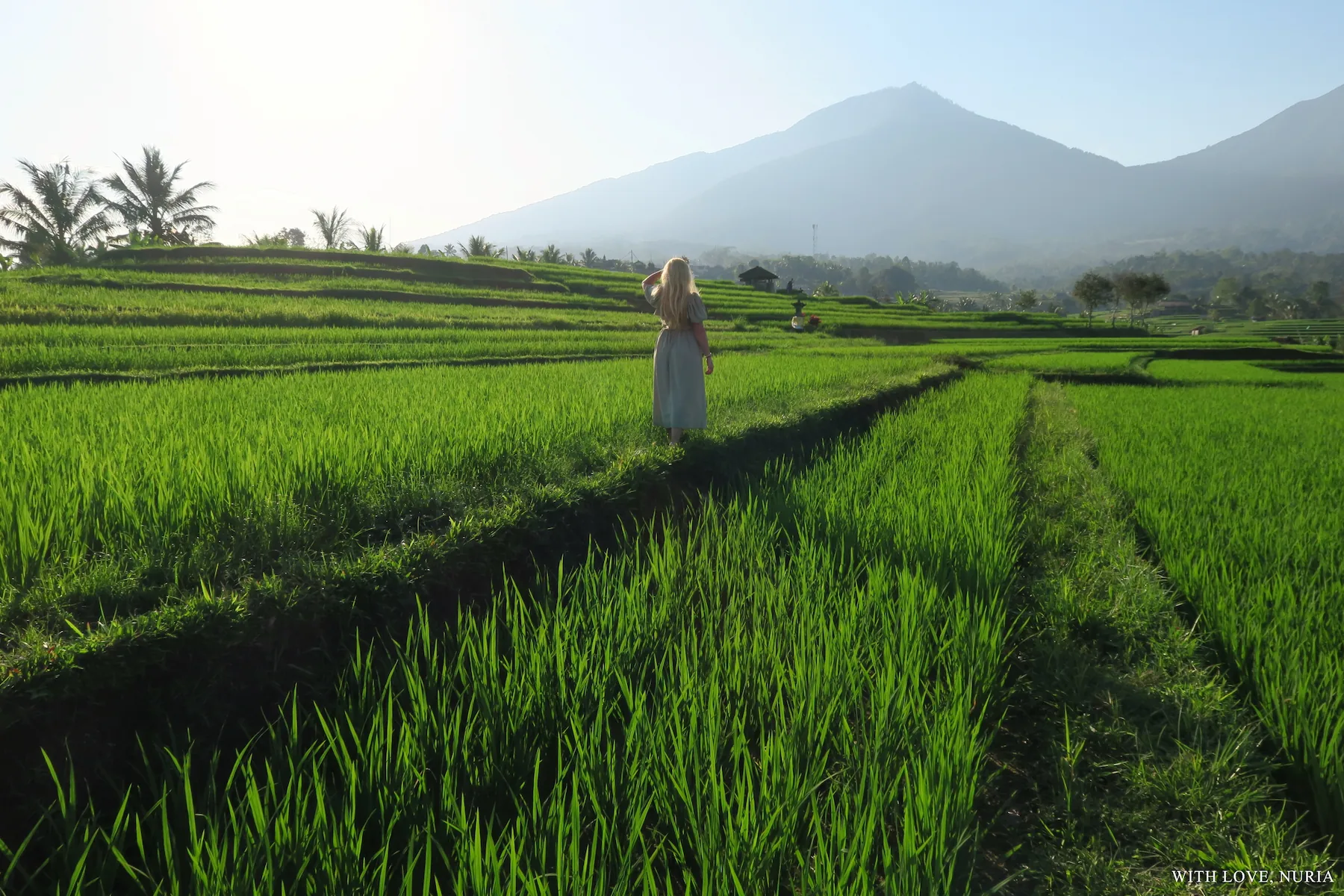
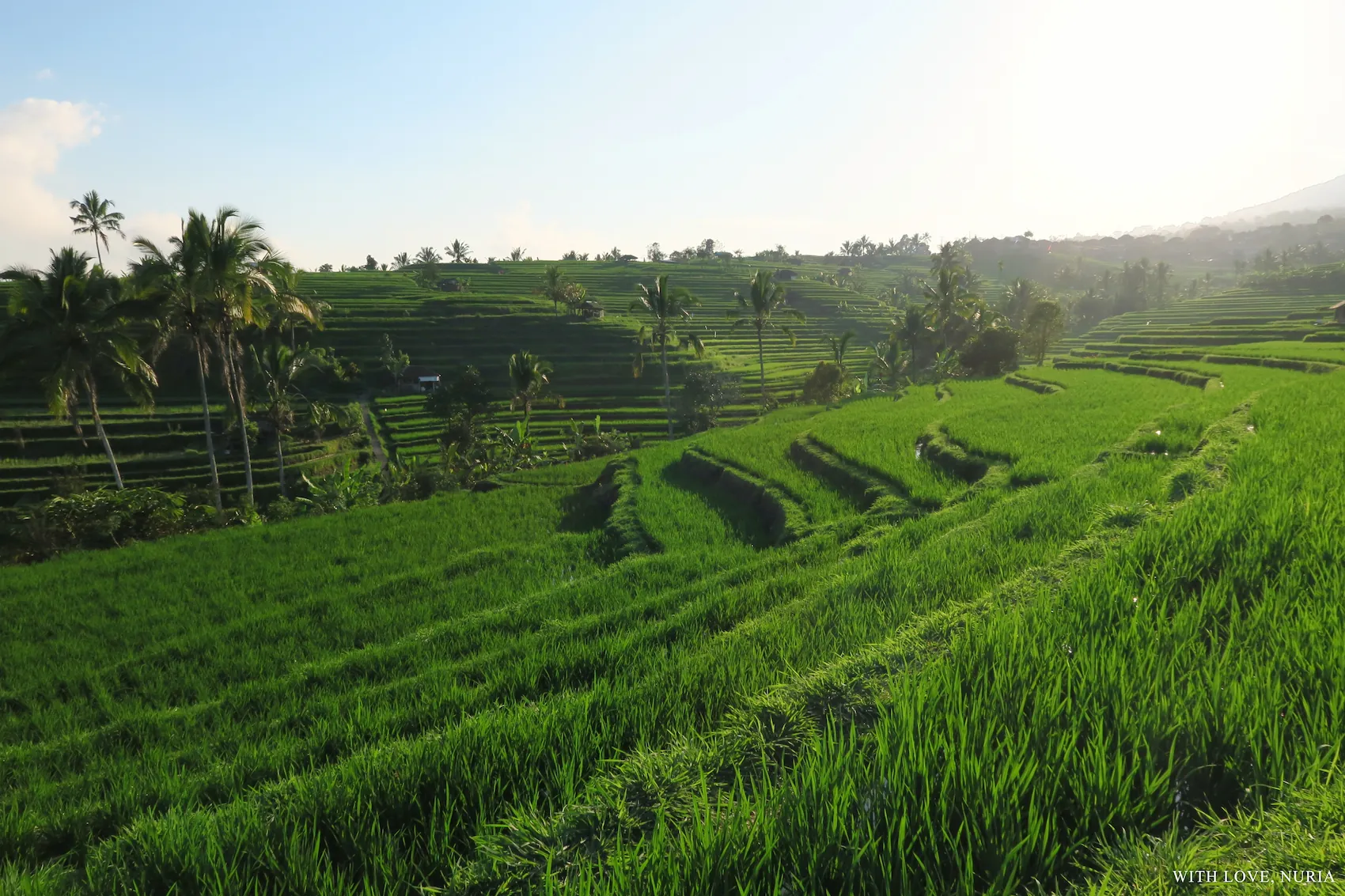
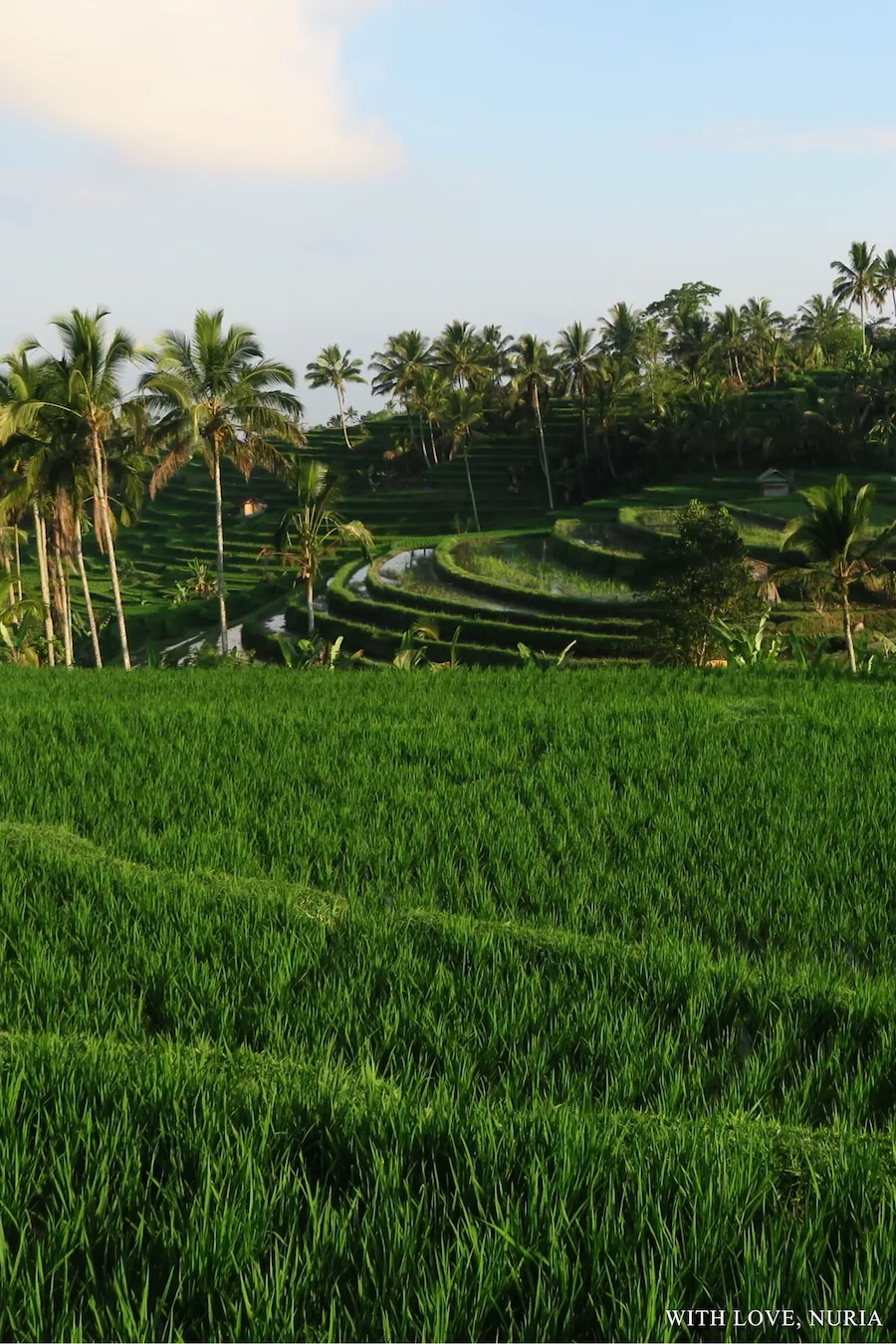
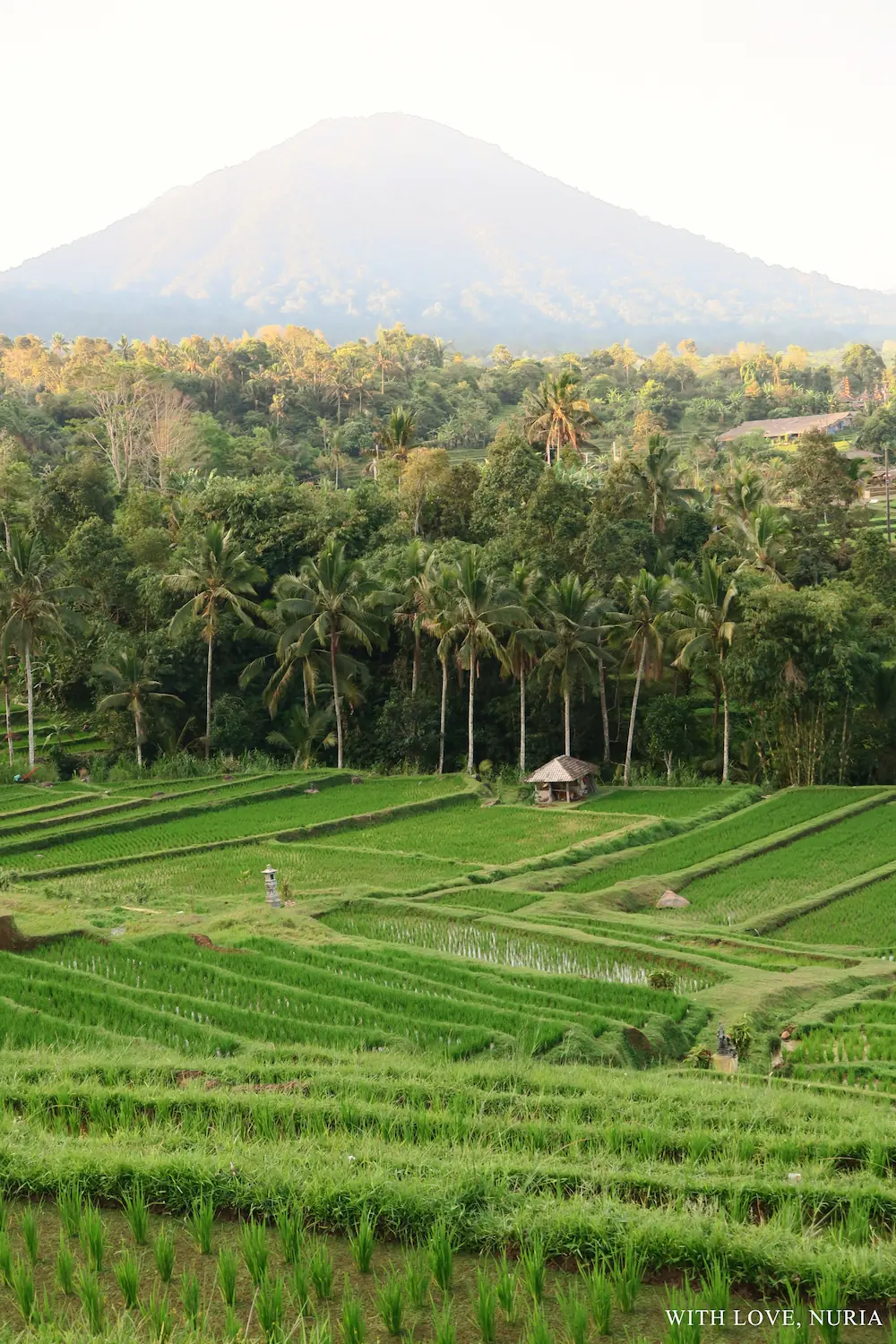
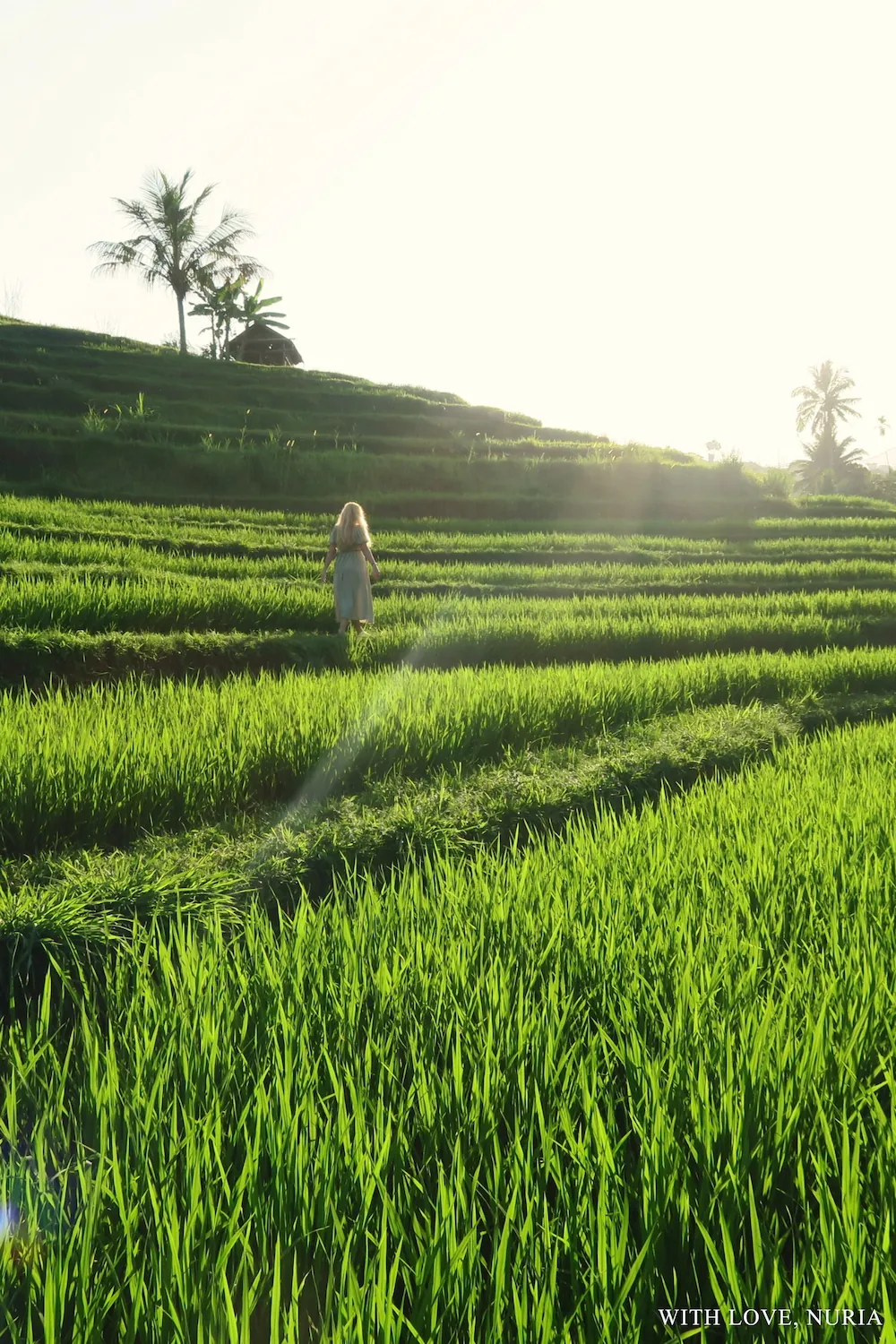
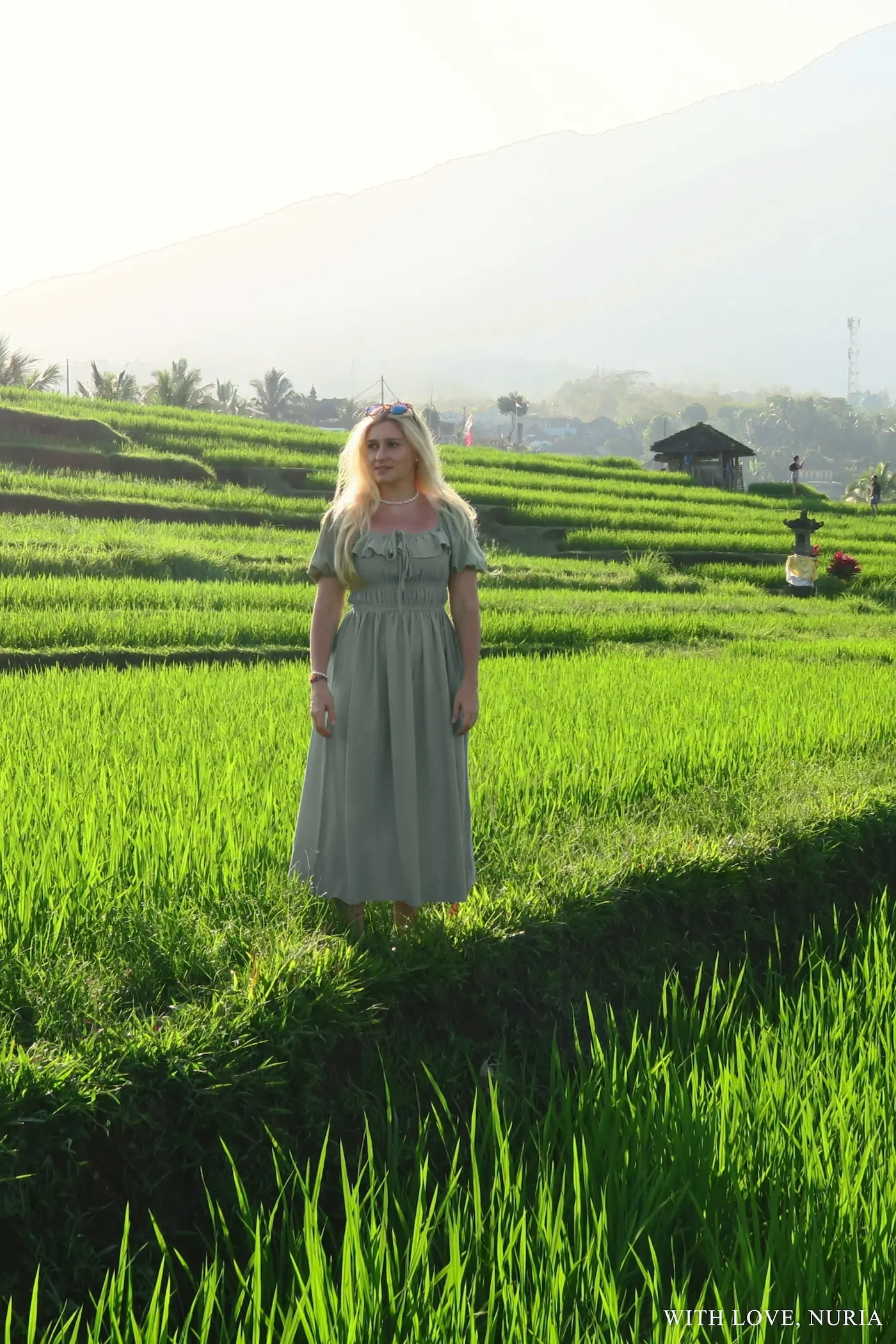
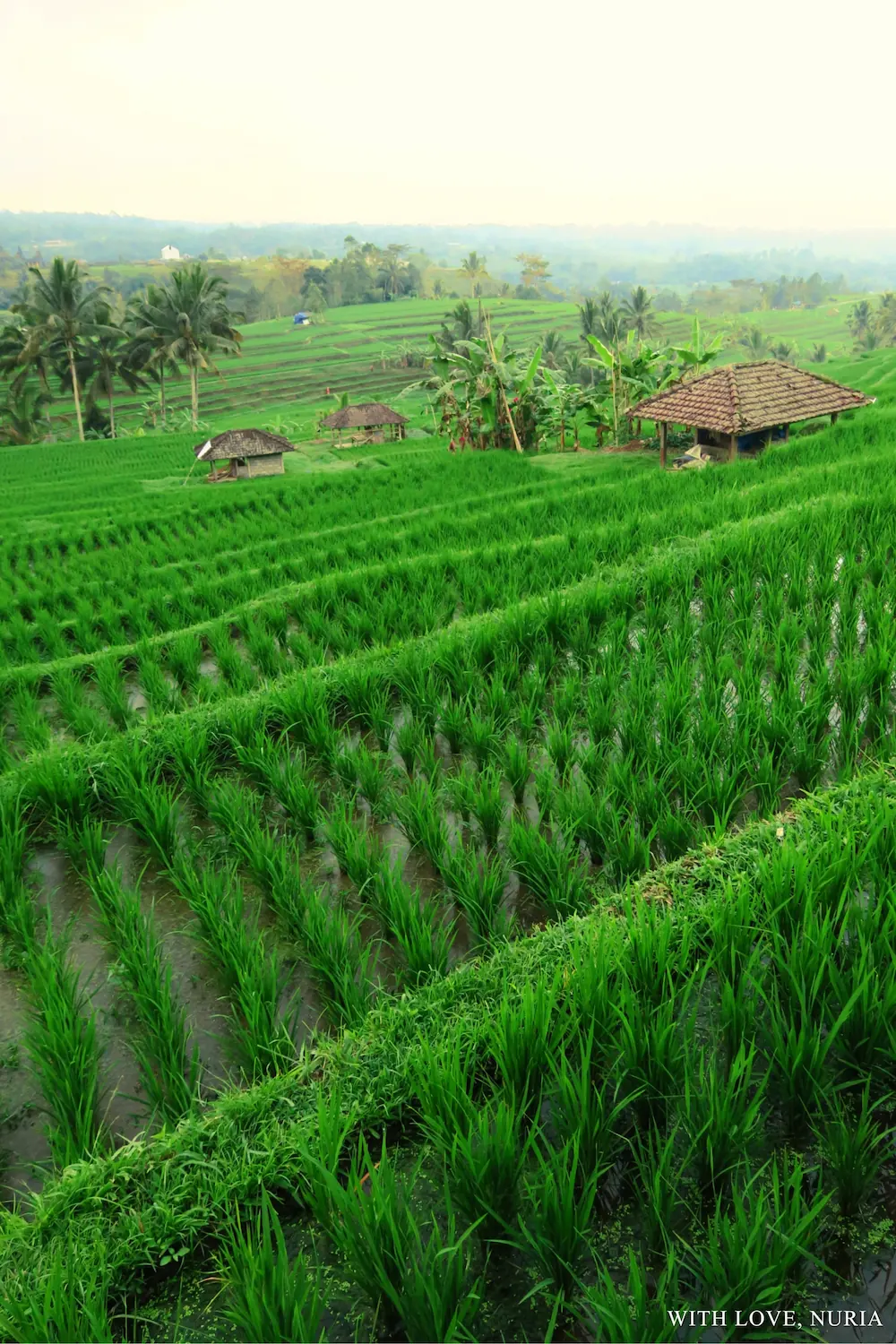
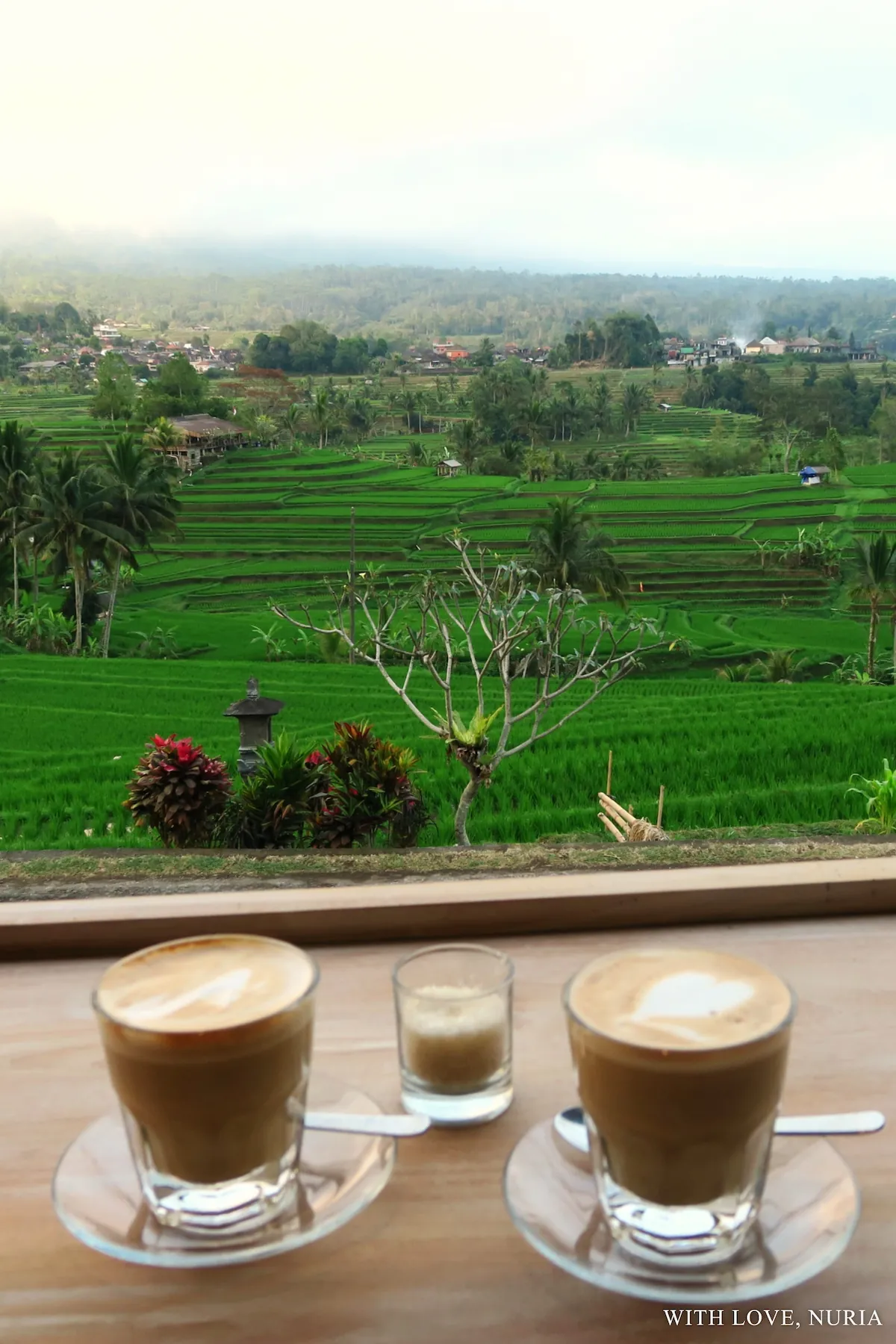
While Tegallalang offers lively, close-up views of the terraces, Jatiluwih is all about wide landscapes and a sense of space.
Planning Your Visit
Location
Tegallalang is located just north of Ubud. It can be reached from Ubud in around 15–20 minutes by scooter or car, depending on traffic. Its proximity makes it easy to include in a day of sightseeing around Ubud.
Jatiluwih is located in central Bali, on the slopes of Mount Batukaru. It’s more remote and requires a longer drive, typically around 1.5 to 2 hours from Ubud, depending on your route and traffic conditions. Reaching it feels more like a small excursion into the countryside, away from the busier central areas of the island.
How Much Time You Need
Because Tegallalang is relatively compact, you do not need much time to explore it. One to two hours is usually enough. Many visitors combine it with other nearby attractions.
Jatiluwih, on the other hand, covers a much larger area, which means that a visit naturally takes more time. While it is possible to keep your visit brief and choose one of the shorter walking routes, you can also spend several hours, as the marked walking trails invite you to spend time exploring and enjoying the open landscape. The experience feels more rewarding if you allow yourself enough time to wander.
When to Visit
The appearance of the rice terraces changes throughout the year depending on the planting stage of the rice. At the beginning of the growing cycle, the paddies are filled with water and young rice shoots, giving the fields a more earthy and brown appearance. Gradually, the fields turn into a vibrant green landscape. Later in the cycle, the rice becomes golden just before harvest.
If seeing the terraces at their greenest is important to you, it’s worth planning your visit around the growing season. The rainy season can make the terraces especially lush, but the paths may be muddier, while the dry season usually offers easier walking conditions.
Both Tegallalang and Jatiluwih are beautiful throughout the year, but the overall appearance can vary dramatically from one visit to another.
Entrance Fees
Tegallalang usually requires a small entrance or donation fee. The price is typically around IDR 25,000 per person, although additional small contributions may sometimes be requested along certain paths within the terraces.
Jatiluwih has an official entrance fee system, as it is part of a UNESCO World Heritage cultural landscape. For foreign visitors, the entrance fee is currently IDR 75,000 for adults and IDR 50,000 for children. There is also a small parking fee, IDR 3,000 for motorbikes and IDR 5,000 for cars. If you are planning to fly a drone in Jatiluwih, there is an additional fee of IDR 300,000. Fees can vary, so it is advisable to check current prices before visiting.
In both places, it’s a good idea to carry some cash, as card payments may not always be available.
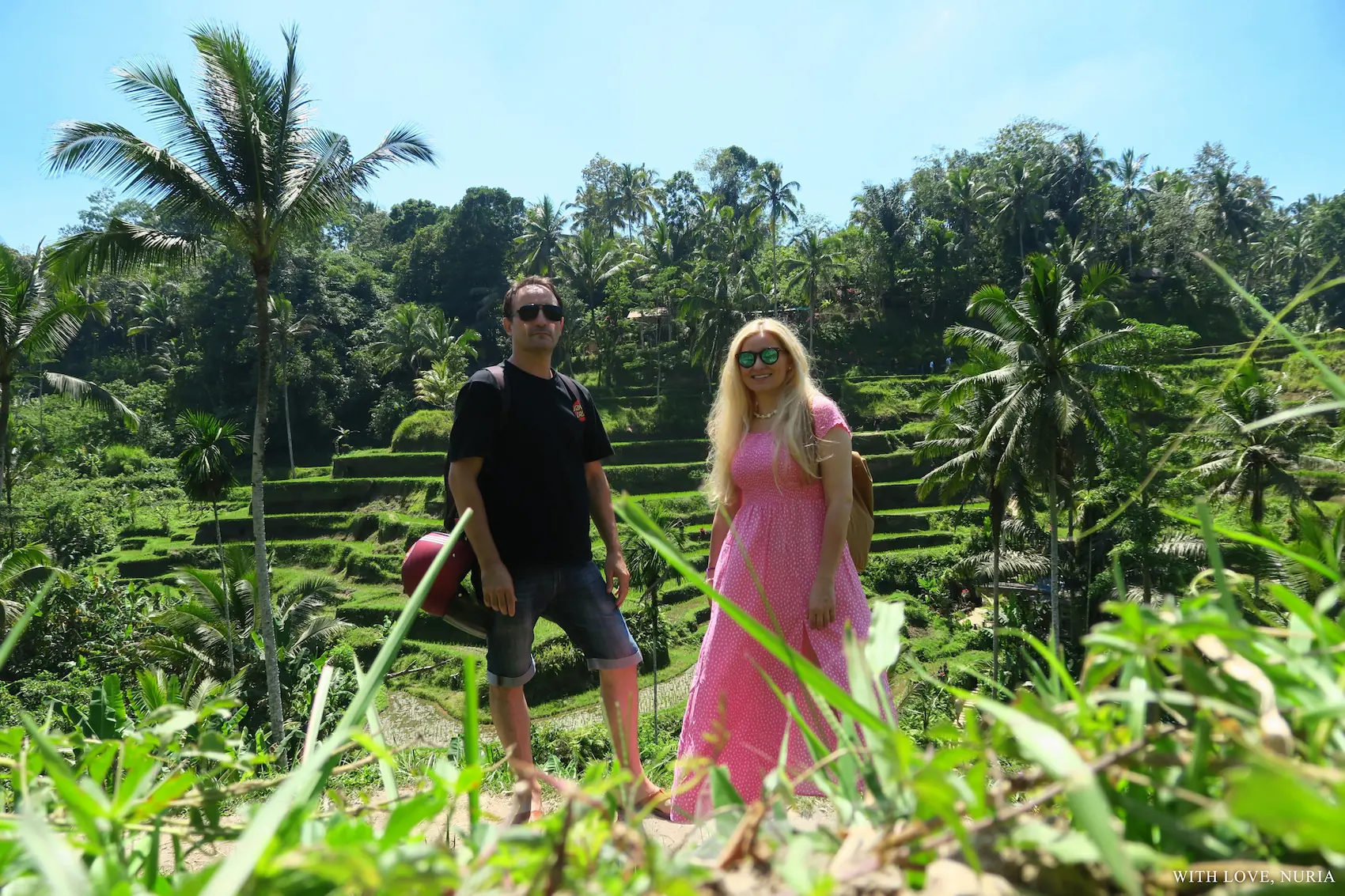
Choosing between Tegallalang and Jatiluwih is not about picking the “better” terrace, but about deciding on the experience that fits your time in Bali. If you have only a few days in Bali and plan to visit Ubud, Tegallalang offers a quick and easy glimpse of the island’s most iconic landscape. If you have more time and crave space and quiet, with long walks where you can wander through endless shades of green, Jatiluwih may leave a deeper impression. And if your itinerary allows it, I would recommend visiting both for a fuller picture of Bali’s rice terraces.
Whichever you choose, Bali’s rice terraces are more than a beautiful landscape. They are the result of traditions that have shaped the landscape over generations and are sustained through everyday life. The beauty you see here is not accidental. It has been cultivated slowly, season after season. And when you stand among the fields and look around, you realise how much beauty can exist in something so simple. Perhaps that is what makes it unforgettable.
With love,
Nuria
 EN
EN  ES
ES